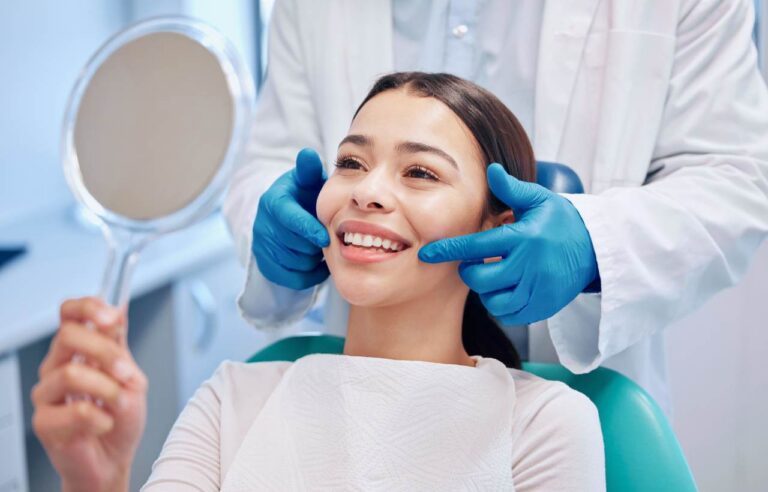
Understanding veneers for front teeth
If you are exploring veneers for front teeth, you are probably picturing a brighter, more even smile. Veneers are thin, custom-made shells that bond to the front surfaces of your teeth to improve color, shape, length, or alignment. They are a core part of modern esthetic dentistry services and can be used alone or combined with other cosmetic treatments for a complete cosmetic smile makeover.
At the same time, you may have heard stories that veneers always look fake, ruin healthy teeth, or are only for celebrities. These myths can make it hard to know what is true and what is not. By separating fact from fiction, you can decide whether veneers fit your goals, your budget, and your long‑term oral health.
Veneers are not the only way to enhance your smile. At Rox Dental Studio, you can also consider teeth whitening treatment, dental bonding service, and even a gum contouring cosmetic dentist consultation to fine tune your gumline. Understanding veneers in context helps you see where they fit among your cosmetic options.
Myth 1: Veneers always look fake
A common concern is that veneers for front teeth will look too white, too flat, or obviously artificial. This idea often comes from older veneers or low quality cosmetic work that did not account for natural tooth anatomy.
Modern porcelain veneers are very different. They are:
- Custom shaped to match your facial features
- Layered to mimic natural translucency and light reflection
- Color matched to your surrounding teeth or your new whitened shade
A skilled veneers & bonding dentist designs veneers that complement your lip line, skin tone, and bite. Small details, such as slight surface texture or subtle variation in shade, keep veneers from looking like a single opaque block of white.
If you want a dramatic change, you can choose a lighter shade. If you prefer a softer, natural look, you can select a more conservative color. The key is planning. A comprehensive smile design consultation gives you a chance to review photos, mock‑ups, and shade options before anything is bonded to your teeth.
Myth 2: Veneers damage healthy teeth
You may have heard that veneers require “shaving down” your teeth to small pegs. This image is unsettling, and in most modern cases it is not accurate.
There are different veneer techniques, and not all involve aggressive tooth reduction. For many patients, minimal or conservative preparation is used. This usually means removing a very thin layer of enamel, often about the thickness of a fingernail, to make room for the veneer and create a strong bond. When properly planned, this preserves the underlying tooth structure and helps protect your teeth from fracture or wear.
Some cases, such as correcting very protruded or crowded teeth, do require more reshaping. That is why a thorough cosmetic dental evaluation is important before you commit to treatment. During this visit, your dentist reviews your bite, enamel thickness, existing restorations, and long‑term risks, then explains how much preparation your situation requires.
Porcelain also bonds best to enamel. Preserving enamel is in your dentist’s interest as well as yours, because it supports stronger, longer lasting results.
Myth 3: Veneers are only for celebrities
Veneers for front teeth are often associated with actors, influencers, and public figures. While many celebrities rely on veneers, the treatment is not limited to people in the spotlight.
Veneers are a practical solution for a wide range of everyday concerns, such as:
- Discolored teeth that do not respond well to whitening
- Chipped, worn, or uneven front teeth
- Gaps between teeth
- Mild misalignment where orthodontics is not desired
- Enamel defects or developmental spots
You do not need a “Hollywood smile” in mind to consider veneers. You might simply want your teeth to look more even on video calls, feel less self‑conscious in photos, or repair damage from years of wear. A smile transformation dentist can tailor the level of change to match your real life priorities.
If a full set of veneers is not right for you, you can sometimes veneer just a few visible teeth or combine a couple of veneers with dental bonding service to stay within a specific budget.
Myth 4: Veneers are extremely painful
Another frequent myth is that veneers involve significant pain during and after treatment. With modern techniques and local anesthesia, most patients report only mild, short‑term discomfort.
During porcelain veneer placement, your dentist uses local anesthetic to numb the teeth that will receive veneers. You should not feel pain during enamel preparation or bonding, only vibration and pressure. Some patients experience minor sensitivity later that day or during the first week, especially with hot or cold drinks. Over the counter pain relievers are usually enough to manage this.
If your gums are slightly irritated from temporary veneers or retraction during impressions, they typically settle within a few days. Good communication with your dentist matters. If you are highly anxious or have a low pain threshold, mention this in advance so your provider can review comfort options and pacing.
Myth 5: Veneers weaken your teeth
The idea that veneers automatically weaken teeth is closely related to concerns about enamel removal. In reality, when veneers are properly planned and bonded, they can help protect and reinforce the front surfaces of your teeth.
Porcelain is strong, especially when bonded to sound enamel. It resists staining and wear better than natural enamel in many cases. For teeth that are chipped, worn down, or have old composite fillings, veneers can create a more uniform, stable surface that distributes biting forces more evenly.
Of course, veneers are not invincible. You still need to avoid habits like chewing ice, biting fingernails, or using your teeth as tools. Your dentist will evaluate your bite and, if needed, recommend a nightguard to protect your veneers if you clench or grind your teeth while you sleep.
The key takeaway is that weakening usually occurs when veneers are poorly planned, over‑prepared, or placed on teeth that are not good candidates. Choosing an experienced cosmetic dental clinic helps you reduce these risks.
When veneers are carefully planned, they do not simply “cover up” problems, they often restore and protect compromised teeth in a durable, esthetic way.
Myth 6: Veneers are permanent and cannot be adjusted
It is true that veneers are considered an irreversible treatment, because a thin layer of enamel is usually removed and will not grow back. However, that does not mean you are locked into one exact look forever with no flexibility.
Before final bonding, your dentist can:
- Test temporary veneers to preview general shape and length
- Adjust contour, edges, or symmetry based on your feedback
- Fine tune color and translucency with the lab for the final porcelain
Even after your veneers are placed, minor adjustments to shape and bite contact can typically be made chairside. If a veneer ever chips or fractures, it can usually be repaired or replaced individually without redoing the entire case.
The “permanent” part refers to the fact that you will always need some type of restoration on those teeth in the future, either replacement veneers or crowns. This is why a detailed cosmetic dental care conversation before starting treatment is so important. You should understand what to expect over 10 or 15 years, not just right after placement.
Myth 7: Veneers only fix color issues
Because veneers are often used to create whiter teeth, it is easy to assume they only address color. In reality, veneers are a versatile tool for many aspects of smile design.
Veneers for front teeth can:
- Lengthen teeth that appear short or worn
- Correct minor rotation or alignment issues visually
- Close small gaps between teeth
- Improve symmetry from left to right
- Smooth out chipped or rough edges
In many cases, veneers are part of a broader cosmetic smile makeover plan. For example, you might start with teeth whitening treatment to brighten your overall smile, then veneer just a few teeth that are misshapen or severely stained. Or you may combine veneers with gum contouring cosmetic dentist treatment to correct a “gummy” smile and balance tooth proportions.
If your concerns are very minor, chairside bonding may be sufficient. Discussing these options with a veneers & bonding dentist helps you avoid overtreatment and choose the most conservative solution that still meets your goals.
Myth 8: Veneers stain easily like natural teeth
You might worry that veneers will quickly pick up stains from coffee, tea, wine, or tobacco. Porcelain veneers are made from a glass ceramic that is much more stain resistant than natural enamel. The glazed surface is nonporous, which helps protect against discoloration.
That said, the edges where veneer meets natural tooth can still stain if you do not maintain good oral hygiene, and your natural teeth around the veneers can darken over time. To keep your smile looking uniform, you should:
- Brush and floss daily
- See your dentist for regular cleanings
- Limit strongly pigmented foods and drinks or rinse after consuming them
Many patients choose a whitening + veneers package, whitening their natural teeth first, then matching the veneers to the brightened shade. Since porcelain does not respond to whitening gels, starting with the shade you want is important.
Over the years, if your natural teeth gradually darken, your dentist can refresh your whitening so surrounding teeth continue to blend well with your veneers.
Myth 9: Veneers do not last very long
You might hesitate to invest in veneers if you believe they will only last a few years. With proper care, porcelain veneers often last 10 to 15 years or longer, according to clinical studies published in peer‑reviewed dental journals such as the Journal of Prosthetic Dentistry and the International Journal of Prosthodontics [1].
Longevity depends on several factors, including:
- Quality of planning and preparation
- Type of cement and bonding protocol
- Your bite forces and grinding or clenching habits
- Home care and routine dental visits
- Avoiding trauma and harmful habits
Choosing an experienced cosmetic provider at a dedicated cosmetic dental clinic is an important part of protecting your investment. Nightguards, regular checkups, and prompt repair of any small chips or cracks also help extend the life of your veneers.
If a veneer does fail or reach the end of its lifespan, it can usually be replaced with a new veneer or, in some cases, a crown, depending on the condition of the underlying tooth.
Myth 10: Veneers are the only way to get a better smile
Veneers are a powerful option, but they are not the only way to improve your teeth. For some patients, conservative or lower cost treatments can deliver satisfying results without committing to porcelain restorations.
Alternatives and complements to veneers include:
- Professional teeth whitening treatment to brighten stained enamel
- Dental bonding service to repair chips, reshape edges, or close small gaps
- Orthodontic treatment for more significant alignment issues
- Gum contouring cosmetic dentist procedures to rebalance tooth display
During a cosmetic dental evaluation, you can compare these options and see mock‑ups or digital previews. In many cases, a hybrid approach works best. For example, whitening and bonding might be enough for minor improvements, while combining a few veneers with other treatments can address more complex issues without veneering every visible tooth.
The goal is not to fit your smile into a single predetermined treatment, but to select the combination that matches your dental health, budget, time frame, and expectations.
What to expect from the veneer process
Knowing the general steps involved in veneers for front teeth can help you feel more comfortable and see where myths diverge from reality.
A typical veneer process includes:
-
Consultation and planning
You discuss your concerns, take photos and x‑rays, and sometimes impressions or digital scans. Your dentist explains suitable options, from veneers to bonding to whitening, and may suggest a smile design consultation for more detailed planning. -
Smile design and mock‑up
Using models or digital software, the dentist and lab design proposed shapes and lengths. In some cases, you can “preview” changes with temporary material on your teeth before any enamel is removed. -
Tooth preparation and temporaries
A thin layer of enamel is shaped, as needed, and impressions are taken. Temporary veneers are placed so you can function and evaluate the look while the lab fabricates your final porcelain restorations. -
Porcelain veneer placement
Your dentist tries in the veneers, adjusts fit and shade, then bonds them using a strong dental adhesive. Any final sculpting and polishing is done at this visit. -
Follow‑up and maintenance
A short follow‑up confirms your comfort and bite. After that, you maintain your veneers through regular checkups, home care, and common sense habits.
Throughout each step, communication is essential. You should feel comfortable asking questions and sharing feedback. Your provider’s role is to guide you through choices, not pressure you into a specific look.
Choosing the right cosmetic partner
The success of veneers for front teeth depends heavily on your dentist’s training, planning, and attention to detail. Look for a practice that:
- Offers a range of esthetic dentistry services, not only veneers
- Provides clear before and after examples of similar cases
- Spends time understanding your goals and explaining tradeoffs
- Emphasizes long term oral health, not just quick cosmetic fixes
A dedicated smile transformation dentist will help you weigh veneers against other options and clarify where each treatment excels. At a comprehensive cosmetic dental clinic like Rox Dental Studio, you can explore whitening, bonding, veneers, and gum contouring in one setting. This makes it easier to design a treatment plan that respects both your appearance and your bite function.
If you are curious about how veneers might look on you, the most helpful next step is a personalized cosmetic dental evaluation. With accurate information instead of myths, you can decide with confidence whether veneers, or another cosmetic solution, is the right way to achieve the smile you want.