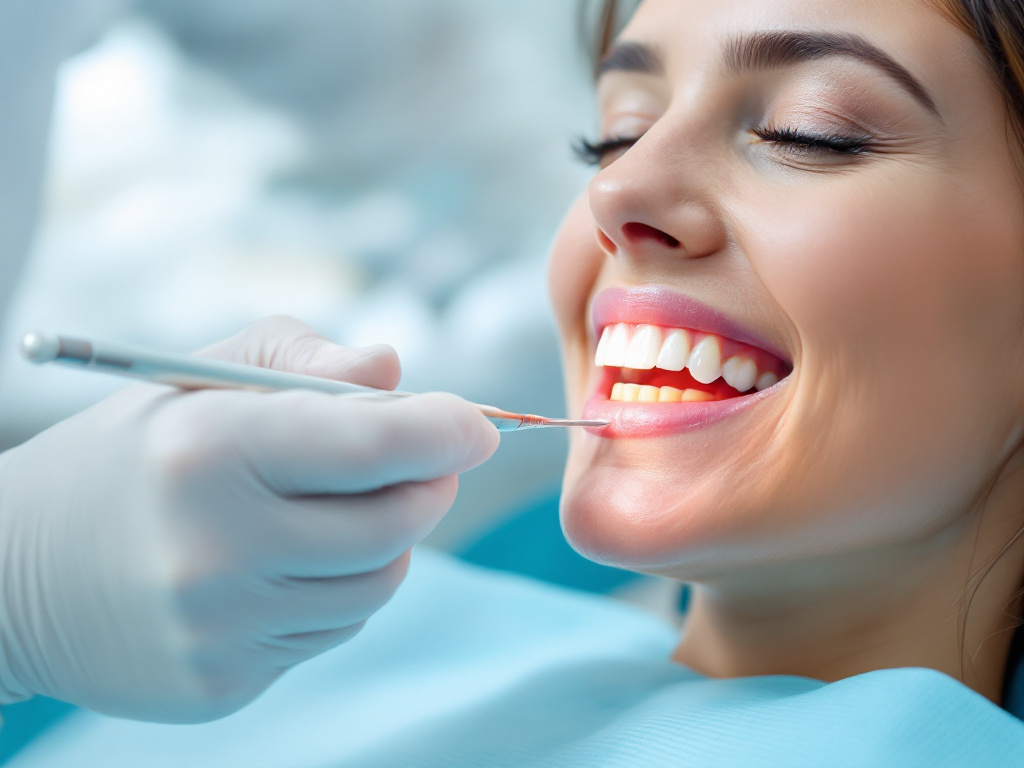
When you need a gum disease evaluation dentist, you want a provider who combines advanced diagnostics with personalized preventive care. At Rox Dental Studio, we blend thorough assessments and proven treatment plans to protect your gum health before issues escalate. Whether you’re due for a routine dental checkup or concerned about early signs, our team guides you through every step.
Gum disease, also known as periodontal disease, affects nearly half of adults over 30 in the U.S., with 47.2 percent showing signs of infection [1]. If left untreated, periodontal disease can lead to sore, bleeding gums, painful chewing problems and even tooth loss. Early detection by a qualified gum disease evaluation dentist is crucial to prevent progression and maintain a healthy smile.
In this article, you’ll learn how to identify warning signs of gum disease, understand the evaluation process and explore treatment options. We’ll also explain how to find a dentist who prioritizes your long-term oral health, including the full range of preventive dental care services we offer at Rox Dental Studio.
Understand gum disease
What is periodontal disease
Periodontal disease begins when bacteria in plaque build up along and beneath the gum line. This triggers inflammation that can damage the gums and the bone supporting your teeth. In its earliest stage, called gingivitis, you may notice redness or bleeding when you brush. With consistent care, gingivitis is reversible through routine cleanings and improved home hygiene.
As the condition advances to periodontitis, pockets form between teeth and gums, allowing more bacteria to accumulate. Over time, these deep pockets can erode bone, cause gum recession and loosen teeth. Advanced periodontitis may require surgical intervention to restore gum and bone health [2].
How common is gum disease
According to the Centers for Disease Control and Prevention, 47.2 percent of adults aged 30 and older have some form of periodontal disease [1]. Nearly half of that group will not experience pain until the disease reaches an advanced stage, making regular evaluations essential.
Regular checkups and periodontal screenings twice a year, as recommended by the American Dental Association, help catch issues early when treatment is simpler and more effective [3].
Recognize warning signs
Key early symptoms
Spotting gum disease in its initial phases gives you the best chance for reversal and control. Watch for these warning signs:
- Bleeding gums when brushing or flossing
- Swollen or tender gums that feel soft to the touch
- Gums that appear red or purplish instead of a healthy pink
- Persistent bad breath or a bad taste in your mouth
- Gums that seem to pull away from your teeth, making them look longer
If you notice any of these symptoms, don’t wait for them to worsen. Early intervention can stop disease progression and prevent irreversible damage.
When to call a dentist
Schedule an appointment with your gum disease evaluation dentist if you experience:
- Unexplained bleeding during daily oral care
- Loose or shifting teeth
- Ongoing soreness when chewing
- Pus between your teeth and gums
- Gums that bleed multiple times a week
Prompt evaluation can identify whether you have gingivitis or periodontitis and determine the appropriate next steps.
Schedule evaluation early
Importance of routine checkups
Routine dental services form the foundation of gum disease prevention. During a routine dental checkup, your dentist or hygienist visually inspects your gums, measures pocket depths and assesses overall oral health. You’ll also receive a professional teeth cleaning to remove plaque and tartar buildup that can harbor harmful bacteria.
These visits are an opportunity to discuss any concerns, update your medical history and ensure your home care routine is on track. Combining exams with services like oral cancer screening dentist safeguards both your gum health and general well-being.
Comprehensive periodontal evaluation
For patients at higher risk or showing early signs of gum disease, an annual Comprehensive Periodontal Evaluation (CPE) is recommended [4]. A CPE goes beyond a standard checkup to thoroughly assess gum tissue, bone support and risk factors.
What to expect in CPE
During your CPE, the periodontist or dentist will:
- Measure gum pocket depths with a periodontal probe
- Check for bleeding points and gum recession
- Evaluate tooth mobility and fit
- Review digital radiographs for bone loss
- Discuss medical history and lifestyle factors
Using the AAP checklist
Bringing the American Academy of Periodontology’s evaluation checklist to your appointment helps you follow along and ask informed questions. You can download the checklist ahead of time and mark any areas where you’ve experienced symptoms, ensuring a thorough discussion with your clinician.
Know evaluation procedures
Probing and measuring pocket depths
A key diagnostic tool in gum disease evaluation is the periodontal probe. This slender instrument measures the depth of the spaces between your teeth and gums. Healthy pockets typically measure 1 to 3 millimeters. Readings of 4 millimeters or more indicate deeper pockets where bacteria can thrive [5].
Your dentist will chart pocket depths at multiple points around each tooth, creating a map of areas that need monitoring or treatment. This data guides decisions about whether non-surgical or surgical care is most appropriate.
Digital x-rays and imaging
Advanced imaging techniques play a vital role in diagnosing and staging periodontal disease. A digital dental x-ray exam reveals bone levels around your teeth and uncovers hidden pockets of infection. High-resolution images improve diagnostic accuracy and allow us to track changes over time with minimal radiation exposure.
Combining probing data with digital radiographs ensures a comprehensive view of your periodontal health and supports tailored treatment planning.
Explore treatment options
Non-surgical therapies
When periodontal disease is detected early, non-surgical interventions often restore gum health. Common treatments include:
- Scaling and root planing, a deep cleaning process to remove plaque and tartar from below the gum line
- Antimicrobial rinses or gels applied directly to periodontal pockets
- Localized antibiotic delivery to target persistent bacterial colonies
These therapies reduce inflammation and encourage tissue reattachment without the need for surgery. Success depends on regular follow-up and diligent home care.
Advanced surgical treatments
For moderate to advanced periodontitis, surgical procedures may be necessary to halt disease progression:
- Pocket reduction surgery to clean deep tartar deposits
- Bone grafting and guided tissue regeneration to rebuild lost bone
- Gum grafting to replace receded tissue and protect exposed roots
- Laser-assisted new attachment procedures (LANAP) for less invasive pocket reduction
Your gum disease evaluation dentist will recommend the approach that best addresses your specific needs, balancing effectiveness with recovery time.
Prevent disease progression
Home oral hygiene practices
Your daily routine is the most powerful defense against gum disease. Follow these practices:
- Brush twice a day with a soft-bristled toothbrush
- Floss once daily to remove plaque from between teeth
- Use an antimicrobial or fluoride mouthwash as directed by your dentist
- Consider a water flosser to clean deep below the gum line
Combining mechanical cleaning with proper technique limits bacterial growth and supports gum healing.
Professional maintenance visits
Regular professional care reinforces your home efforts. Schedule dental hygiene services every three to six months or as recommended by your provider. During these visits, you may receive:
- Fluoride treatment dentist applications to strengthen enamel
- Dental sealant application for added protection in high-risk areas
- Thorough cleanings with ultrasonic scalers and curettes to remove hardened plaque
Consistent maintenance slows or stops disease progression and helps you avoid more intensive procedures.
Choose your dental partner
What to look for in a dentist
Selecting a gum disease evaluation dentist involves more than credentials. Look for:
- Expertise in periodontal care and preventive dentistry
- Advanced diagnostic tools like digital x-rays and intraoral cameras
- A collaborative approach that explains findings and invites your questions
- Comprehensive services, from new patient dental exam to family dentistry services
- Convenient scheduling and a friendly, supportive team
These qualities ensure you receive the care and guidance you need for lasting gum health.
Rox Dental Studio advantage
At Rox Dental Studio, we are committed to being your partner in preventive oral health near you. as a trusted provider for exams, cleanings and diagnostics, we offer:
- Personalized treatment plans based on your CPE and routine exam findings
- Full suite of routine dental services tailored to your needs
- A warm, family-focused atmosphere where your comfort and questions matter
- Acceptance of new patients seeking a dentist accepting new patients
If you’ve been searching for “preventive oral care near me,” Rox Dental Studio is ready to welcome you and your family. Contact us today to schedule your appointment and take the first step toward healthier gums and a brighter smile.