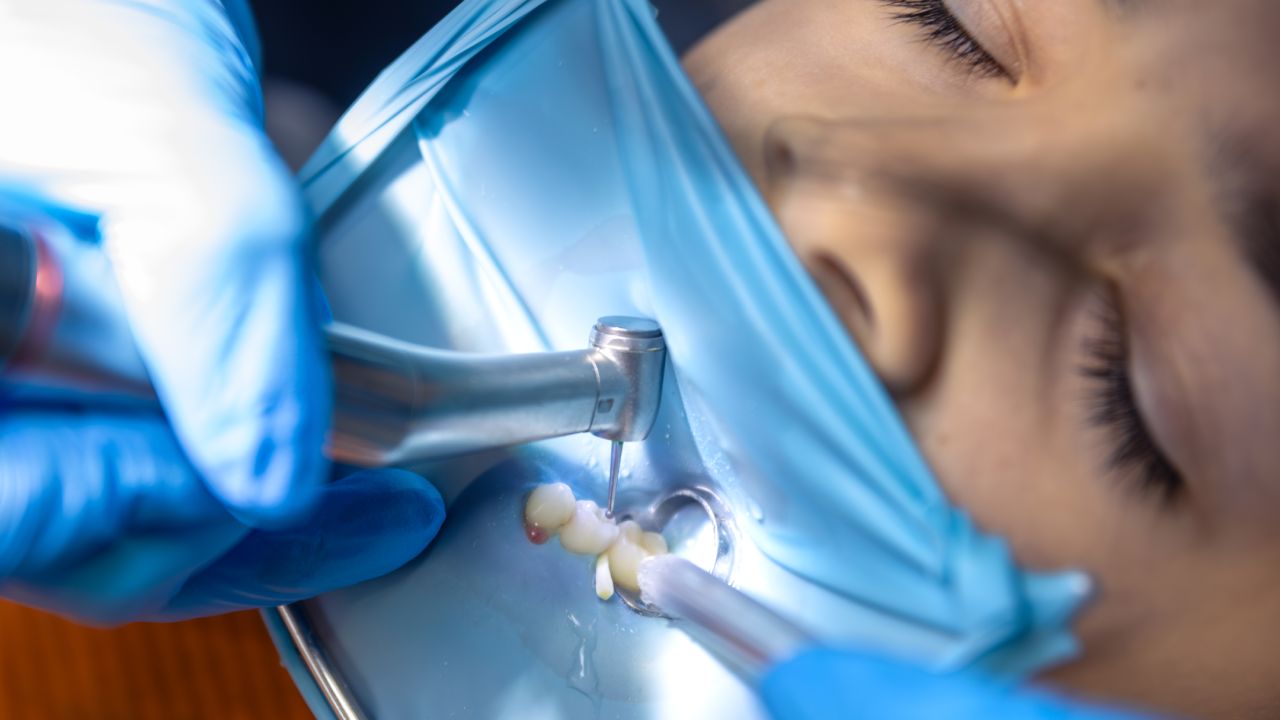
Some teeth are too decayed, cracked, or loose to save. A simple extraction removes the tooth using gentle techniques, without surgical cutting, so you can get out of pain and begin healing quickly.
Common reasons include:
Deep cavities that extend below the gumline
Large fractures or broken teeth above the gumline
Advanced gum disease that loosens a tooth
Orthodontic crowding when space is needed
What to expect at your visit
Evaluation
We examine the area and take digital X-rays when indicated to confirm the plan.
Comfort first
Local anesthesia fully numbs the tooth and surrounding tissue.
Gentle removal
The tooth is loosened and lifted with precise instruments to protect nearby bone and gums.
Home instructions
You leave with clear, written aftercare and a plan for next steps.
Most simple extractions are brief, and many patients return to normal routines the next day.
Healing and aftercare
Bite on gauze as directed to help a healthy clot form
Use a cold compress for 10 minutes on and off to reduce swelling
Eat soft foods for the first day and avoid very hot or spicy items
Do not smoke, drink through a straw, or rinse vigorously for 24 hours
After 24 hours, rinse gently with warm salt water and resume normal brushing while avoiding the socket
Mild soreness is normal for a day or two and improves with rest and over-the-counter pain relief as directed.
Planning what comes next
Replacing a missing tooth helps maintain chewing, speech, and alignment. We will review timing and options, including partial dentures or full dentures when appropriate, and outline steps and costs so you can decide comfortably.
FAQs
Will it hurt?
You will be fully numb. You may feel pressure, but not sharp pain.
How long does it take?
Many simple extractions take less than an hour.
Can I drive afterward?
Yes, if only local anesthesia was used.
What if pain or swelling increases after two days?
Call us promptly. We will guide next steps and see you as needed.