Understanding oral cancer screening
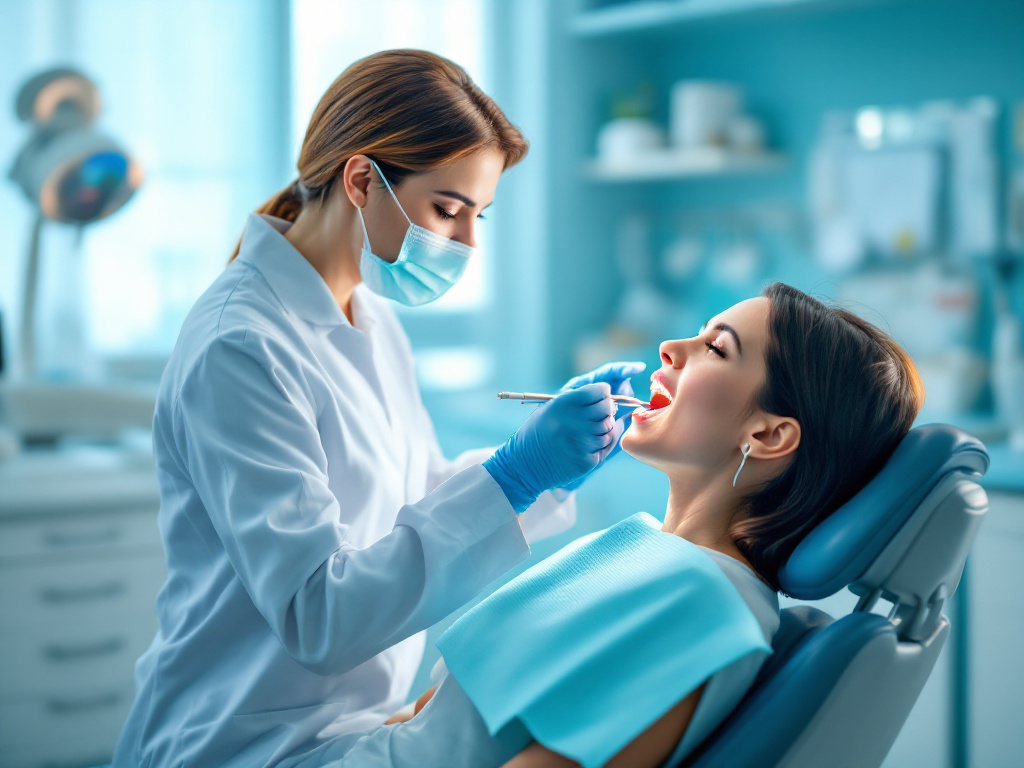
When you visit an oral cancer screening dentist at Rox Dental Studio, your provider performs a detailed examination of your mouth, throat, and neck to identify signs of cancer or precancerous conditions. This routine oral exam aims to detect abnormalities such as sores, red or white patches, or lumps that could signal early oral cancer development. As noted by the Mayo Clinic, oral cancer screenings focus on early detection when treatment outcomes are most favorable [1].
Screening for oral cancer typically happens during your routine dental checkup or comprehensive dental exam. Most dentists include it as part of your regular preventive care services. Early detection can dramatically improve treatment success, as oral cancers found at stage I or II often require less invasive therapy.
What is oral cancer screening
Oral cancer screening is a physical and visual assessment conducted by a trained dentist or hygienist. During the exam your provider looks for:
- Red or white patches on the lips, gums, tongue, or inner cheeks
- Sores that do not heal within two weeks
- Unexplained lumps or thickening of the tissue
- Swelling or asymmetry in the face, jaw, or neck
If your dentist spots any suspicious areas, they may recommend a biopsy or referral to a head and neck specialist to confirm a diagnosis.
Why early detection matters
Identifying oral cancer in its early stages can significantly increase your survival rate and reduce the need for extensive treatment. Key benefits of early detection include:
- Higher five-year survival rates for stage I or II cancers
- Less aggressive treatment options such as localized surgery
- Reduced risk of spread to lymph nodes and other organs
- Better quality of life during and after treatment
By prioritizing regular oral cancer screenings, you give yourself the best chance for timely intervention.
Identifying your risk factors
Understanding your personal risk factors can guide how often you should get screened. While oral cancer can affect anyone, certain behaviors and conditions raise your likelihood of developing the disease.
Lifestyle and medical risks
You may have a higher risk of oral cancer if you:
- Use tobacco products such as cigarettes, cigars, or chewing tobacco
- Consume alcohol heavily or combined with tobacco use
- Have a human papillomavirus (HPV) infection, especially HPV-16
- Have a family history of oral or head and neck cancers
- Experience prolonged sun exposure on the lips
Discuss your individual risk with your dentist during your exam. They can tailor screening recommendations based on your health history.
Self-examination tips
Performing a monthly self-check can help you notice changes between professional screenings. When you examine your mouth:
- Wash your hands thoroughly
- Use a mirror and a bright light
- Inspect the outer lips, cheeks, gums, tongue, floor and roof of the mouth
- Feel for lumps on the neck, jawline, and under the chin
- Note any new sores, patches, or changes in texture
If you see anything unusual, contact your dental office promptly for an evaluation. Self-checks are not a substitute for professional exams but can act as an early alert system.
Screening procedures explained
When you schedule an oral cancer screening with your dentist, you can expect a thorough, multi-step process designed to catch abnormalities as early as possible.
Visual and tactile exam
Your dentist uses a strong light, mirror, and tongue depressor to examine:
- Cheek lining and gums for color changes
- Tongue surface and underside for lesions
- Floor of the mouth and roof for any irregularities
- Neck, jaw, chin, and face for lumps or swelling by palpating tissues
This exam typically takes less than five minutes and is completely painless.
Adjunctive detection aids
Some dental practices use special adjunctive tests to enhance detection, such as:
- Toluidine blue dye to highlight abnormal cells
- Tissue autofluorescence to differentiate healthy versus suspicious tissue
- Special lights or filters for enhanced contrast
Current research suggests that these tools can assist in screening, though no single test has proven superior to a systematic visual oral examination [2]. Your dentist will decide if adjunctive aids are appropriate for your visit.
When biopsy is needed
If your dentist discovers a suspicious area, the next step may include:
- Referral to an oral surgeon or head and neck specialist
- Collection of a small tissue sample (biopsy)
- Laboratory analysis to confirm the presence of cancerous or precancerous cells
Biopsy results usually arrive within three to five days. Prompt follow-up ensures that any necessary treatment can begin without delay.
Interpreting screening results
Understanding what your results mean can help you make informed decisions about follow-up care and lifestyle adjustments.
Normal vs suspicious findings
After your screening your dentist will explain whether they found:
- Normal tissue with no signs of concern
- Minor changes that warrant monitoring
- Suspicious lesions requiring biopsy or referral
Normal results mean you can continue with your regular dental care schedule. Minor or unclear findings may lead to a shorter recall interval to recheck the area.
Next steps after abnormal result
If your screening uncovers potential problems:
- You may be referred to a specialist for further evaluation
- A biopsy will determine if cells are malignant or benign
- Treatment plans could include surgical removal, radiation, or chemotherapy depending on the stage and location
Your dental team will guide you through each step, ensuring you have the information and support you need.
Scheduling your screening
Knowing when to arrange your next oral cancer screening keeps you proactive about your oral health and overall well-being.
Recommended screening frequency
Professional guidelines suggest:
- Adults aged 20 to 39: Every three years
- Adults aged 40 and older: Annually
- High-risk individuals (tobacco users, heavy drinkers, HPV positive): Yearly screenings [3]
Discuss your personal schedule with your dentist, especially if you have multiple risk factors.
Preparing for your visit
Preparing for your screening is simple:
- No special fasting or medication changes are required
- Maintain your normal oral hygiene routine
- Bring a list of current medications and health history updates
- If you are new to Rox Dental Studio, start with a new patient dental exam, which includes oral cancer screening
Arrive a few minutes early to complete any intake forms, and feel free to ask your dental team about any concerns.
Partnering for preventive care
Oral cancer screening is one aspect of a comprehensive approach to your dental health. By combining multiple preventive services, you ensure optimal protection for your smile and overall wellness.
Integrating with routine care
You can layer oral cancer screening with other preventive services:
- Professional teeth cleaning to remove plaque and tartar
- Dental hygiene services including scaling and polishing
- Comprehensive dental exam for a full-mouth evaluation
- Digital dental x-ray exam to detect hidden issues
- Dental sealant application for cavity prevention
- Fluoride treatment dentist to strengthen enamel
- Gum disease evaluation dentist for periodontal health
These combined preventive dental care services help you maintain healthy teeth and gums while catching potential problems early.
Choosing your dental provider
Selecting the right oral cancer screening dentist means partnering with a practice that values patient comfort, clear communication, and thorough care. At Rox Dental Studio:
- We welcome new patients and offer personalized family dentistry services
- Our team is a dentist accepting new patients focused on preventive and routine dental services
- We provide preventive dental care services, routine dental services, and dedicated screenings
- If you are searching for preventive oral care near me, our state-of-the-art facility is conveniently located
- You benefit from a gentle, evidence-based approach and a commitment to your long-term health
Empowering your oral health
Your health is in your hands. By partnering with an oral cancer screening dentist and integrating routine preventive measures, you strengthen your defense against oral disease. Contact Rox Dental Studio to schedule your screening and take the next step toward a healthier tomorrow.