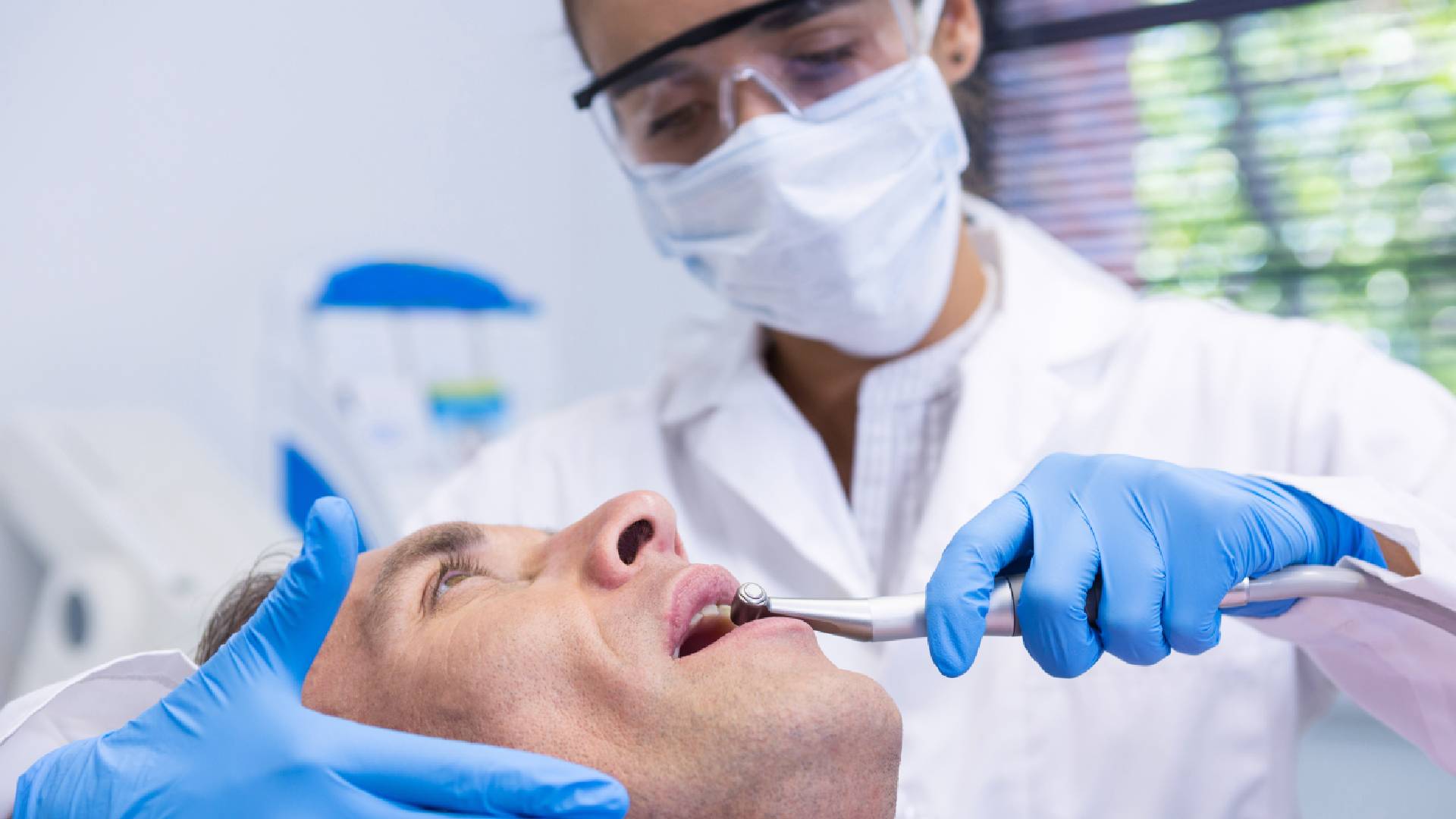
Understanding tooth extraction
If you’re considering tooth extraction in Roxboro, you want clear information on why the procedure may be necessary, how it works, and what to expect. Removing a tooth can protect your oral health, relieve pain, and prevent more serious issues such as bone loss or systemic infection. By understanding the process, you’ll feel confident taking the next steps toward a healthy smile.
When extraction is necessary
Extraction is often recommended when a tooth:
- Has decay so advanced that filling or crown placement is no longer viable
- Develops an abscess or infection that cannot be resolved with root canal therapy
- Becomes loose due to periodontal disease, risking damage to adjacent teeth
- Is impacted or overcrowded, such as wisdom teeth that fail to erupt properly
- Fractures at or below the gum line in a way that prevents restoration
Delaying removal can increase the chance of spreading infection to other teeth, gums, or even into your jawbone and bloodstream.
Signs and symptoms
Watch for warning signs that point to a failing tooth:
- Persistent, severe toothache that disrupts sleep or daily activities
- Swelling of gum tissue or facial areas near the affected tooth
- Pus or discharge indicating an active infection
- Lingering sensitivity to hot or cold after the stimulus is removed
- Difficulty opening your mouth fully (trismus) or chewing
- A bad taste in your mouth or chronic bad breath
Early assessment allows your dentist to create a targeted plan and preserve your overall oral health.
Types of extractions
Your dentist or oral surgeon will select the technique best suited to your condition. Each method is designed to minimize discomfort and ensure complete removal.
Simple extraction
With a simple extraction, your dentist uses specialized tools to loosen and remove a tooth that is fully visible above the gum line. You’ll receive local anesthesia, then:
- Soft tissue around the tooth is numbed
- An elevator tool gently expands the socket
- Forceps extract the tooth in one piece
Healing is usually straightforward, and you can return to normal activities in a day or two. For more details, see simple tooth extraction in roxboro.
Surgical extraction
A surgical extraction is required when:
- The tooth is impacted beneath the gum
- Roots are curved or unusually shaped
- Significant bone surrounds the tooth
Under local anesthesia or sedation, your provider:
- Makes a small incision in your gum
- Possibly divides the tooth into sections
- Removes the tooth fragments and cleans the socket
- Places stitches if needed
Recovery can take a bit longer than a simple extraction, with gentle home care and follow-up visits. Learn more at surgical tooth extraction in roxboro.
Emergency extraction
When you experience unmanageable pain, spreading infection, or trauma that threatens your health, an emergency extraction provides rapid relief. Your dentist will:
- Evaluate your symptoms and take emergency X-rays
- Administer anesthesia or sedation to manage pain
- Remove the tooth and prescribe antibiotics if needed
This urgent service addresses immediate risks and restores comfort. Find resources for emergency tooth extraction in roxboro.
Wisdom tooth removal
Third molars, or wisdom teeth, often emerge in late teens or early twenties. They can become:
- Partially erupted, leaving a flap that traps food and bacteria
- Impacted, causing crowding or pain
- Misaligned, leading to improper bite
Extraction prevents complications such as infection or damage to neighboring teeth. For guidance, visit wisdom tooth removal in roxboro.
Infected tooth removal
When bacterial infection reaches the pulp and root, extraction can be the only way to stop the spread. Your dentist will carefully remove the tooth, clean the area, and prescribe a course of antibiotics. This procedure prevents serious health risks and persistent pain. Learn about infected tooth removal in roxboro.
Preparing for extraction
Proper preparation helps you approach your appointment without anxiety and ensures a smooth procedure.
Initial consultation and X-rays
At your first visit:
- Your dentist reviews your medical history and any prescriptions
- Digital X-rays or 3D scans assess root shape, bone health, and nerve location
- Clinical photos document the existing condition
Some practices perform extractions only after an X-ray evaluation confirms the need and identifies potential complications [1]. Accurate imaging helps prevent surprises during surgery.
Preoperative instructions
Follow these steps to prepare:
| Timeline | Instructions |
|---|---|
| 3–5 days before | Share updated health information and arrange any required lab work |
| 24 hours before | Avoid alcohol, smoking, and non-prescribed drugs |
| Morning of appointment | If you’ll be sedated, fast as directed (usually 6–8 hours without food or drink) |
| Day of appointment | Wear loose, comfortable clothing and arrange for a responsible adult to drive you home |
| After consultation | Confirm cost estimate, insurance coverage, and follow-up scheduling |
Clear compliance with instructions reduces the risk of complications and delays.
Managing pain and sedation
Your comfort is a priority. Dentists offer a range of anesthesia and pain control options tailored to your needs.
Local anesthesia
Standard practice involves injecting a numbing agent around the tooth socket. You stay fully awake while experiencing no pain in the treated area. This method is safe, effective, and wears off gradually over a few hours.
Sedation options
If you feel nervous or if multiple teeth require extraction, sedation provides a calmer experience. Options include:
| Level of sedation | Description | Recovery time |
|---|---|---|
| Minimal | Nitrous oxide (“laughing gas”) with quick effect | Minutes after mask removal |
| Moderate | Oral sedative pill taken before the procedure | 1–2 hours |
| Deep | IV sedation under the supervision of a specialist | Several hours |
| General | Full anesthesia, typically for complex cases | Several hours, inpatient |
Discuss your medical history and comfort level to choose the right option.
Postoperative pain relief
To manage discomfort after extraction:
- Use over-the-counter medications like ibuprofen or acetaminophen as directed
- Take any prescribed painkillers on schedule to stay ahead of the pain
- Apply ice packs to the outside cheek in 15-minute intervals for the first 24 hours
- Avoid alcohol and smoking, which can interfere with healing
Your dentist will supply a detailed pain management and medication chart.
Navigating costs and insurance
Knowing what drives the price of your procedure helps you plan and avoid surprises.
Cost factors
Several elements contribute to your total fee:
| Cost component | What it covers |
|---|---|
| Consultation | Oral exam, imaging, and treatment planning |
| X-rays and scans | Digital imaging to map roots and bone structure |
| Extraction fee | Simple vs surgical procedure complexity |
| Anesthesia | Local anesthesia or sedation services |
| Follow-up care | Post-op visits, stitch removal, or complication checks |
| Replacement planning | Consultation on implants, bridges, or dentures |
Ask for a written estimate that breaks down fees so you can compare providers.
Medicaid coverage
If you qualify for Medicaid, medically necessary extractions are often covered. To make the most of your benefits:
- Verify coverage details with your state’s Medicaid office
- Provide documentation such as your Medicaid ID and proof of income
- Ask your dentist to submit claims electronically or on paper
- Understand any co-payments or prior-authorization requirements
For more guidance, see medicaid tooth extraction in roxboro.
Affordable options nearby
You don’t have to compromise quality for affordability. Consider:
- Swift Family Dentistry at 415 South Main Street in Uptown Roxboro, which operates on a fee-for-service basis and assists with out-of-network insurance claims [2].
- Sliding-scale or income-based community health centers in Person County.
- Dental savings plans that offer discounted rates on extractions and related services.
- Nearby practices such as Affordable Dentures & Implants in Greensboro, with starting prices of $105 per tooth (X-ray fee applies) [1]. Factor in travel and follow-up care.
- Our resource on affordable tooth removal in roxboro for additional local options.
Choosing a provider
Selecting the right dental professional ensures you receive safe, comfortable, and effective care.
Swift Family Dentistry
Under the leadership of Dr. Brian Swift, DDS—a UNC-Chapel Hill graduate and North Carolina native—Swift Family Dentistry emphasizes personalized treatment and patient education. The team includes certified dental assistants and registered hygienists who support every stage of your care. Office hours run Monday through Thursday, with special accommodations available on Fridays.
Address:
415 South Main Street
Roxboro, NC 27573
Learn more at Swift Family Dentistry.
Making an informed decision
Before you commit, prepare a list of questions:
- What are your credentials and years of experience with extractions?
- How do you handle complications such as dry socket or nerve exposure?
- What comfort measures and sedation options do you offer?
- Can I review patient testimonials or before/after photos?
- How do you structure payment plans, and will you file insurance claims?
- What is the process for scheduling a follow-up or handling emergencies?
A provider who welcomes questions and offers transparent answers will help you feel at ease.
Recovering after extraction
Following your dentist’s guidelines promotes swift healing and lowers the risk of complications.
Immediate aftercare
- Bite on damp gauze for 30–45 minutes to form a stable blood clot
- Change the gauze as directed until bleeding subsides
- Rest with your head slightly elevated for the first 24 hours
- Avoid rinsing vigorously or drinking through a straw
- Skip strenuous exercise and smoking for at least 48 hours
- Maintain clean oral hygiene, brushing gently around the surgical site
Healing timeline
| Time frame | Milestone |
|---|---|
| First 24 hours | Clot formation and initial discomfort |
| Days 2–3 | Peak swelling and bruising |
| Days 4–7 | Decreasing pain, beginning soft food |
| Weeks 2–3 | Tissue largely healed |
| Months 1–2 | Jawbone remodeling continues |
Considering replacement options
Once the socket has healed, discuss tooth replacement to restore appearance and function. Common solutions include:
- Dental implants: Permanent fixtures that mimic natural teeth, often requiring minor bone grafting
- Fixed bridges: A prosthetic adhered to adjacent teeth to span the gap
- Partial dentures: Removable appliances that replace one or more missing teeth
Your dentist can advise on timing, cost, and the best fit for your needs.
When to call your dentist
Contact your provider promptly if you notice:
- Severe, worsening pain or a foul taste in your mouth
- Heavy bleeding that soaks through gauze after one hour
- Fever, chills, or signs of systemic infection
- Numbness in the lip, chin, or tongue beyond 24 hours
- Difficulty swallowing or breathing
Rapid response prevents minor issues from escalating into emergencies.
Frequently asked questions
Is extraction painful
You’ll receive anesthesia or sedation to keep you comfortable during the procedure. Afterward, mild to moderate soreness is normal and well-managed with prescribed or over-the-counter pain medication.
What should I eat after extraction
Stick to a soft-food diet for the first 3–5 days. Good choices include:
- Yogurt, applesauce, and pudding
- Mashed potatoes or soft cooked vegetables
- Smooth soups and broths (lukewarm)
- Scrambled eggs or soft fish
- Avoid hot liquids, acidic foods, nuts, seeds, and anything crunchy
Can I return to work
Most patients feel well enough for light or desk jobs within 24–48 hours. If your role involves heavy lifting or strenuous activity, plan for an extra day off to rest.
When can I brush my teeth
Avoid brushing directly over the extraction site for the first 24 hours. After that, you can gently clean around the area with a soft-bristled brush, taking care not to disturb the clot.
Will Medicaid cover this procedure
Coverage varies by plan and state. Many Medicaid programs fund medically necessary extractions. Visit medicaid tooth extraction in roxboro to learn how to verify your benefits and complete the required paperwork.
How long until I can get a dental implant
If you’re considering an implant, your dentist typically waits 3–6 months after extraction for the site to fully heal. In some cases, immediate implants are possible if bone structure and gum health permit.
By following this guide, you’ll be well prepared for a safe, affordable, and comfortable tooth extraction in Roxboro. Whether you need a simple removal or a more complex surgical procedure, the right preparation, provider, and aftercare plan will help you restore your oral health and confidence.