Understanding porcelain veneer placement
If you are unhappy with the way your teeth look, porcelain veneer placement can be one of the most effective ways to transform your smile. Veneers are thin, custom made shells of porcelain that are bonded to the front surfaces of your teeth. Once placed, they can change the color, shape, length, and overall appearance of your smile in a relatively short amount of time.
Porcelain veneers are part of a broader group of esthetic dentistry services. Compared with other options like whitening, bonding, and orthodontics, veneers are often chosen when you want a noticeable cosmetic improvement with results that still look natural.
When you work with a veneers & bonding dentist, the process is carefully planned to harmonize with your facial features, lip line, and bite. That way, your new smile is not just brighter, it is also balanced and functional.
What porcelain veneers can fix
Porcelain veneer placement is versatile. It can address multiple cosmetic concerns at the same time, which is why veneers are often included in a full cosmetic smile makeover.
Common cosmetic concerns veneers improve
You might be a good candidate for veneers if you want to correct:
- Tooth discoloration that does not respond well to teeth whitening treatment, such as internal staining or tetracycline stains
- Chipped, worn, or uneven edges caused by grinding or everyday wear
- Small gaps between teeth, especially in your upper front teeth
- Mildly crooked or rotated teeth, when you prefer not to pursue orthodontics
- Teeth that are too small or misshapen compared to your other teeth
- Teeth with multiple old bonding repairs that have stained or chipped over time
When planned correctly, veneers can create the appearance of straighter, more uniform teeth without braces. They can also conceal variations in enamel texture, white spots, or older restorations in the front of your mouth.
If your main concern is only the teeth that show when you smile, your dentist might recommend veneers for front teeth rather than treating all of your teeth. This approach focuses your investment on the most visible areas.
Comparing veneers with other cosmetic options
Porcelain veneer placement is not your only option for improving your smile. At a modern cosmetic dental clinic, you can combine or choose from several treatments depending on your goals, budget, and timeline.
Veneers vs teeth whitening
Professional whitening is often the first step in many cosmetic plans. It lightens the natural enamel and can be very effective if your teeth are otherwise healthy and well aligned.
Porcelain veneers might be a better fit if:
- Your stains are deep or intrinsic
- You have existing restorations that will not respond to whitening
- You want to change shape and alignment, not just color
Some patients choose a combined approach, such as a whitening + veneers package. You whiten the untreated teeth to your ideal shade, then match your veneers to that color for a consistent, bright result.
Veneers vs dental bonding
Dental bonding service uses tooth colored resin to repair chips, small gaps, or isolated imperfections in a single visit. It can be more affordable up front compared to veneers and is often a good solution for minor repairs.
You might prefer veneers if you are looking for:
- Greater stain resistance over time
- Stronger material for moderate wear or larger changes
- More precise control over shape, length, and symmetry
Bonding can complement veneers as well. For example, you might choose veneers on your most visible teeth and bonding for minor touch ups on the neighboring teeth.
Veneers and gum contouring
Sometimes the appearance of your teeth is affected by the shape and position of your gums. In that case, your dentist may recommend seeing a gum contouring cosmetic dentist as part of your treatment plan.
Gum contouring can expose more of the natural tooth and create a more even gum line. When combined with veneers, it helps create a balanced, proportional smile that looks natural when you speak and laugh.
The porcelain veneer placement process
Although the exact steps can vary slightly, porcelain veneer placement generally follows a predictable sequence. Understanding each phase will help you feel more comfortable and prepared.
1. Initial cosmetic evaluation
Your journey typically begins with a cosmetic dental evaluation or smile design consultation. During this visit, you and your dentist discuss:
- What you like and dislike about your current smile
- The specific changes you hope to see
- Any functional concerns, such as sensitivity or grinding
- Your budget and preferred timeline
Your dentist will examine your teeth, gums, and bite. They may take digital photographs, X rays, or scans, and sometimes impressions. This information guides your customized plan and helps determine whether veneers are the right solution or if another form of cosmetic dental care would serve you better.
2. Smile design and preview
Smile design is the planning stage that shapes your final result. Your dentist considers:
- Tooth proportions and golden ratio style aesthetics
- How much tooth shows at rest and when you smile
- The curvature of your lower lip relative to your upper teeth
- The overall shape that best fits your facial features
Depending on the technology used in the office, you may see a digital simulation of your proposed veneers or a physical “wax up” model. In some cases, you can even try a temporary mock up directly on your teeth. This preview helps you visualize the transformation and provide feedback before any permanent changes are made.
Working with a smile transformation dentist who emphasizes planning can help ensure that your veneers align with your expectations.
3. Tooth preparation
Most porcelain veneer placement involves minimal reshaping of the front surfaces of your teeth. This creates space for the veneer to sit flush with your natural enamel, rather than looking bulky.
During this appointment:
- Your teeth are numbed for comfort
- A small amount of enamel is removed from the front and sometimes sides of the teeth
- Detailed impressions or digital scans are taken
- Temporary veneers are placed to protect your teeth and maintain your appearance
The preparation is typically quite conservative, and in many cases only a fraction of a millimeter of enamel is adjusted.
4. Laboratory fabrication
Your impressions, photos, and design notes are sent to a dental lab that specializes in cosmetic ceramics. Skilled technicians hand craft each porcelain veneer to match:
- The shade and translucency you selected
- The planned length and shape
- The surface texture that will look natural under different lighting
High quality ceramics can mimic the way natural enamel reflects and transmits light. This is one reason porcelain veneers often look more lifelike than some other materials. The fabrication stage usually takes one to a few weeks, depending on the lab and case complexity.
5. Try in and adjustments
When your veneers are ready, you return for a try in appointment. Before they are permanently bonded, your dentist will:
- Place the veneers with a temporary, removable medium
- Check the fit at the edges and along the gumline
- Evaluate your bite to ensure comfortable contact
- Assess the color under natural and operatory light
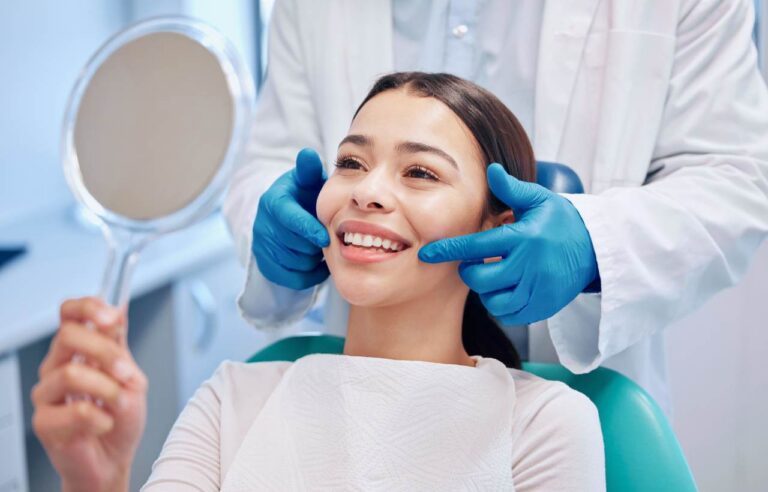
You will have the opportunity to look in a mirror, smile, and speak. If something feels or looks off, your dentist can make small adjustments or send the veneers back to the lab for refinement. Your input at this stage is important.
6. Final bonding
Once you and your dentist are satisfied with the appearance and fit, the veneers are permanently bonded.
The bonding process generally includes:
- Cleaning and lightly etching the tooth surface
- Applying a bonding agent and carefully positioning each veneer
- Using a curing light to harden the adhesive
- Polishing and refining the edges for a seamless transition
After bonding, your dentist will check your bite again and make any final micro adjustments. You can usually return to normal activities shortly after your visit.
Benefits of porcelain veneer placement
Porcelain veneers offer a combination of aesthetic and practical advantages that make them a popular choice in cosmetic dentistry.
A natural looking, brighter smile
Porcelain is known for its ability to replicate the look of natural tooth enamel. It can be layered and tinted to achieve:
- Lifelike translucency at the edges
- Subtle color variations for a non artificial look
- A brightness level that complements your skin tone and age
Because porcelain is more stain resistant than natural enamel, your veneers typically maintain their color longer than your natural teeth would after whitening alone.
Comprehensive transformation with fewer appointments
If you have multiple concerns like color, shape, and alignment, veneers can often address them in a relatively small number of visits. Instead of several separate procedures over many months, you can complete most of your transformation in just a few appointments.
This efficiency is one reason veneers are commonly included in a cosmetic smile makeover, especially for people with time sensitive goals such as an upcoming wedding, major life event, or public facing role.
Durability and stain resistance
With proper care, porcelain veneers can last many years. Clinical studies suggest that well maintained veneers have high long term survival rates, often 10 to 15 years or more in many cases, especially when you follow your dentist’s recommendations for home care and checkups. Porcelain is also resistant to common staining agents like coffee, tea, and red wine.
While they are strong, veneers are still glass ceramics. You will need to avoid using your teeth as tools or biting hard objects, just as you would with your natural teeth.
Who is a good candidate for veneers
Porcelain veneer placement works best when your mouth is generally healthy and you have specific cosmetic concerns you want to address.
You may be a good candidate if:
- Your teeth and gums are free from active decay or advanced periodontal disease
- Your bite is relatively stable, without severe misalignment or jaw joint problems
- You are looking for a long term cosmetic solution rather than a temporary fix
- You have realistic expectations about what veneers can and cannot do
If you have significant crowding or bite issues, your dentist may recommend orthodontics before veneers to protect your long term oral health. In some situations, more comprehensive restorations like crowns may be more appropriate for teeth that are heavily damaged or weakened.
A thorough cosmetic dental evaluation will help clarify your options.
Caring for your porcelain veneers
Once your veneers are in place, good home care and routine dental visits are essential to keep them looking and functioning their best.
Daily oral hygiene
You should care for your veneers very much like your natural teeth:
- Brush at least twice daily with a soft bristled toothbrush
- Use a non abrasive fluoride toothpaste
- Floss gently around each tooth and along the gumline
- Rinse as recommended by your dentist, especially if you are prone to dry mouth
Avoid abrasive whitening toothpastes that can dull the polish over time. Your dentist can suggest products that are compatible with porcelain.
Habits and lifestyle
Certain habits can increase the risk of chipping or wear, including:
- Biting on ice, pens, or fingernails
- Opening packages with your teeth
- Grinding or clenching, especially at night
If you clench or grind, your dentist will likely recommend a custom night guard to protect both your veneers and your natural teeth. You should also wear a mouthguard during contact sports.
Limiting tobacco and minimizing frequent exposure to dark liquids will help your surrounding natural teeth stay closer in color to your veneers.
Regular checkups
Routine visits to a cosmetic dental clinic allow your dentist to:
- Monitor the health of your teeth and gums around the veneers
- Polish the porcelain and remove any surface buildup
- Check your bite and adjust if necessary
- Identify early signs of wear, chipping, or gum recession
Professional maintenance supports both the longevity of your veneers and your overall oral health.
Think of veneers not as a shortcut, but as a carefully planned investment in your smile that still depends on daily care and regular professional support.
Integrating veneers into a full smile makeover
Porcelain veneer placement rarely exists in isolation. In many cases, your ideal result comes from combining veneers with other services in a sequence that maximizes both aesthetics and function.
A typical cosmetic smile makeover plan might involve:
- A smile design consultation to define your goals and priorities
- Periodontal care or gum contouring to create a healthy, even frame for your teeth
- Selective teeth whitening treatment so untreated teeth match the shade of your planned veneers
- Porcelain veneers on the most visible teeth
- Targeted dental bonding service or minor contouring for finishing touches
By looking at your smile as a whole rather than one tooth at a time, your smile transformation dentist can help you reach a result that feels cohesive, natural, and unique to you.
Taking the next step
If you are considering porcelain veneer placement, the most useful next step is a personalized evaluation. Every smile is different, and a brief in person exam can clarify:
- Whether veneers are appropriate for your teeth and gums
- How many teeth should be treated to meet your goals
- Whether supporting procedures like whitening or gum contouring would improve your result
- What your expected timeline and costs might be
By partnering with a veneers & bonding dentist who focuses on esthetic dentistry services, you can explore all of your options and design a plan that fits both your vision and your everyday life. With careful planning and skilled porcelain veneer placement, you can move toward a smile that feels more confident, natural, and truly your own.