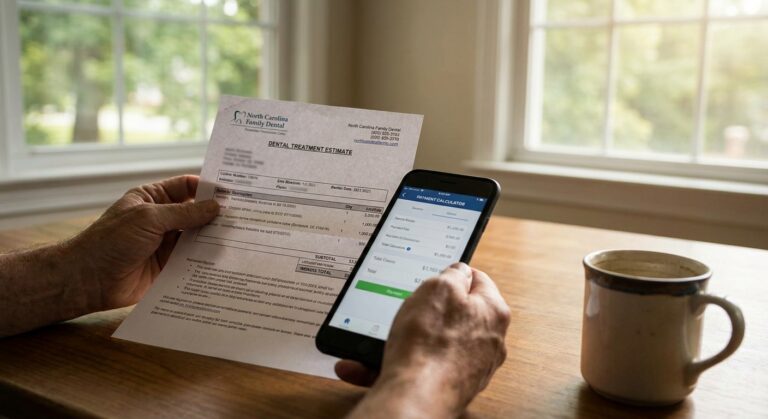
If you’re in Roxboro and facing severe tooth pain, infection, or damage, Medicaid tooth extraction in Roxboro can provide affordable relief when other treatments aren’t an option. Medicaid often covers medically necessary simple and surgical extractions, allowing you to remove a problematic tooth without worrying about cost. Timely extraction prevents complications like spreading infection, bone loss, or damage to adjacent teeth. In this guide, you’ll learn how Medicaid dental coverage works in North Carolina, how to find a Medicaid-friendly dentist near you, what to expect before, during, and after your extraction, and key tips for a smooth recovery at home. Use this information to plan your care confidently and restore your oral health. For an overview of general services, see our page on tooth extraction in roxboro.
Understanding tooth extraction
When extraction is necessary
You may need an extraction when other treatments—like fillings or crowns—won’t save the tooth or could worsen your condition. Common indications include:
- Extensive decay that has destroyed most of the tooth structure
- Persistent infection or abscess where antibiotics fail to clear the area, risking spread to jaw or bloodstream
- Fractured roots from trauma, making restoration impossible
- Overcrowding as part of orthodontic treatment to create space and align teeth
- Impacted teeth—often wisdom teeth—that cause pain or damage to adjacent teeth
A persistent abscess (a pocket of pus) can lead to swelling, fever, and severe pain. Removing the infected tooth stops the bacterial spread and allows antibiotics to work more effectively. If your tooth resists conservative care, you might require an infected tooth removal in roxboro. In urgent cases—such as sudden trauma or unbearable pain—seek an emergency tooth extraction in roxboro to prevent more serious complications.
Types of extractions
Extractions fall into two categories—simple and surgical. Your dentist determines the approach based on the tooth’s position, root structure, and surrounding bone.
| Extraction type | Description | Typical cases |
|---|---|---|
| Simple extraction | Remove a visible tooth using elevators and forceps under local anesthesia | Fully erupted, accessible teeth |
| Surgical extraction | Perform an incision, remove bone, or section the tooth, often with sedation | Impacted, broken, or unerupted teeth; many wisdom tooth removal in roxboro cases |
Learn more about simple tooth extraction in roxboro and surgical tooth extraction in roxboro. Surgical procedures require stitches and longer healing, but they accommodate complex situations such as roots fractured below the gum line or teeth trapped in the jawbone.
Understanding Medicaid coverage
Medicaid eligibility requirements
In North Carolina, Medicaid eligibility depends on income, household size, and category (for example, children, pregnant women, adults with disabilities). Children and pregnant women receive broad dental benefits under EPSDT (Early and Periodic Screening, Diagnostic, and Treatment). Adults over 21 may have more limited coverage but are generally eligible for extractions deemed medically necessary. To confirm your status:
- Review your income against state guidelines
- Check enrollment details on the NC Medicaid portal
- Gather required documents: proof of income, ID, and residency
- Contact your local Department of Social Services
Medicaid benefits are renewed annually; if your enrollment lapses, coverage may be delayed. Keep track of your renewal date and respond promptly to any requests for documentation. Some managed care plans send text or email reminders—opt in if available. If you’re enrolled and active in the plan, you can schedule a tooth extraction through a participating provider.
Covered procedures
Medicaid covers medically necessary dental procedures, including tooth extractions when they treat infection, alleviate pain, or prepare for other treatments. Covered services often include:
- Diagnostic exams and X-rays
- Local anesthesia and basic sedation (per state rules)
- Simple and surgical extractions
- Postoperative follow-up visits
Cosmetic removals—such as extracting healthy teeth for appearance—are generally not covered. Always verify coverage and billing codes with your dentist to avoid unexpected costs.
Finding a Medicaid dentist
Roxboro providers accepting Medicaid
Not all dental practices accept Medicaid, so you’ll need to find a participating clinic. In Roxboro, options may include:
- Community health centers offering sliding-fee dental care
- Family dental practices that list Medicaid among accepted insurances
- Dental school outreach clinics providing supervised care at reduced rates
You can look up providers on the NC Medicaid website or call your plan’s customer service. When you call, ask about affordable tooth removal in roxboro and whether they handle both simple and surgical extractions in-house to avoid extra referrals. Also verify office accommodations—such as wheelchair access and handicap parking—if you have limited mobility.
Scheduling your appointment
Once you’ve selected a provider:
- Confirm they accept your specific Medicaid plan
- Provide your Medicaid ID, contact information, and a brief overview of your dental issue
- Inquire about wait times—emergency slots may be available for severe pain or infection
- Ask whether a dental referral or prior authorization is needed
Early scheduling helps you get relief sooner. If your condition is worsening, mention this to the receptionist—they may offer an earlier appointment to address your pain.
Many providers also offer telehealth consultations to review X-rays and discuss treatment options before your in-office visit. This can save time and help you prepare for the procedure.
Preparing for your extraction
Preoperative instructions
Your dental team will provide specific preoperative guidelines based on the type of extraction and sedation. Common instructions include:
- Fasting for at least 6 hours before sedation or IV anesthesia
- Avoiding smoking and alcohol for 12 hours prior
- Disclosing all medications, supplements, and allergies
- Following provider guidance on diabetes or hypertension medication adjustments
- Arranging child or pet care for the day of the procedure
- Wearing loose, comfortable clothing and removing jewelry
Following these steps ensures your safety and reduces the risk of complications.
What to bring
On appointment day, bring:
- Your Medicaid card and government-issued ID
- A list of current medications and dosages
- Any referral forms or prior X-rays if available
- A responsible adult to drive you home if sedation is used
- Comfort items such as headphones, a pillow, or an ice pack
- A written list of questions for your dentist or surgeon
Having these items ready streamlines check-in and keeps your focus on care.
Extraction procedure overview
Simple extraction process
A simple extraction is typically performed in a general dentist’s office:
- Your dentist numbs the area with local anesthesia so you feel pressure but no pain
- A dental elevator is used to loosen the tooth in its socket
- Forceps gently remove the tooth
- Gauze is placed over the socket to control bleeding and begin clot formation
- You rest for a few minutes while the team monitors you before heading home
This procedure often takes 10–15 minutes. You can usually drive yourself home unless you’ve received additional sedation, in which case you’ll need a ride.
Surgical extraction process
Surgical extractions—performed by an oral surgeon or dentist—address teeth that are impacted, broken, or located below the gum line:
- Local anesthesia is administered alongside nitrous oxide, oral, or IV sedation for comfort
- An incision is made in the gum tissue to expose the tooth and bone
- Small portions of bone may be removed, or the tooth is split into sections for easier removal
- The site is irrigated with sterile saline and stitches are placed to close the incision
- You recover in the chair while vital signs are monitored, then arrange follow-up care if needed
Because of their complexity, surgical extractions require longer healing times and may involve additional postoperative visits.
Managing pain and anxiety
Anesthesia and sedation options
To ensure your comfort during extraction, your dental team may offer one or more of the following:
- Local anesthesia: Numbs only the extraction site; you stay fully awake
- Nitrous oxide: Inhaled to relieve anxiety while you remain conscious
- Oral sedatives: Pills taken before or during the procedure; you feel relaxed but awake
- IV sedation: Medication delivered through a vein; provides deeper sedation and can be adjusted in real time
- General anesthesia: Reserved for complex cases; you remain unconscious and are monitored by an anesthesiologist
Your provider will review your health history to select the safest option. Always discuss past reactions to anesthesia and any concerns you have beforehand.
Coping strategies
In addition to professional sedation, you can manage anxiety with:
- Deep breathing exercises or guided meditation
- Listening to calming music or nature sounds through headphones
- Chewing on mild herbal teas like chamomile or peppermint (once approved by your dentist)
- Trying acupressure by pressing the area between your thumb and index finger
- Bringing a stress ball or fidget toy as a distraction
- Asking your dental team for brief breaks during the procedure
Sharing your fears openly allows the provider to adjust your care plan and keep you supported throughout.
Recovery and aftercare
Postoperative care tips
Proper aftercare supports healing and reduces the risk of complications. Follow these guidelines:
- Control bleeding: Bite on gauze for 30–45 minutes, replacing as needed until bleeding stops
- Manage swelling: Apply cold compresses to your cheek in 10-minute intervals during the first 24 hours, then switch to warm compresses to improve circulation
- Eat carefully: Stick to liquids and soft foods (broths, smoothies) on day one; gradually introduce semisolids (mashed potatoes, yogurt) over the next few days
- Maintain hygiene: After 24 hours, gently rinse your mouth with warm saltwater (1 teaspoon salt in 8 ounces of water) several times a day
- Take medications: Use over-the-counter or prescribed pain relievers as directed; do not skip doses
- Avoid pressure: Refrain from smoking, spitting, or using straws for at least 48 hours to protect the blood clot
In some cases, your dentist may recommend a temporary prosthesis or partial denture to maintain your bite and appearance while the site heals. If bone loss is a concern, socket preservation—placing graft material in the socket—can help maintain ridge height. Ask your provider about these options at your follow-up visit.
Warning signs to watch
Contact your dentist if you experience:
- Heavy bleeding that soaks more than two gauze pads in one hour
- Pain that intensifies or is not relieved by medication
- Fever above 100.4°F (38°C) or chills
- Persistent or worsening swelling after two days
- Signs of dry socket: Severe, throbbing pain and exposed bone
- Difficulty breathing or swallowing
Prompt attention to these symptoms prevents more serious complications and ensures a smooth recovery.
Addressing common concerns
Safety and comfort
Safety and comfort are top priorities during your extraction. Dental teams follow strict infection control protocols:
- Sterilizing or disposing of all instruments between patients
- Wearing gloves, masks, and eye protection
- Using high-volume suction and air filtration to reduce aerosols
- Monitoring vital signs (blood pressure, heart rate, oxygen levels) during sedation
- Having emergency medications and equipment on hand
- Offering noise control with headphones or dimmed lights to reduce stress
Before any sedation, you’ll sign a consent form detailing risks, benefits, and alternatives. Providers also review your medical history for conditions—like sleep apnea or heart disease—that could affect sedation choices. If at any point you feel discomfort or anxiety, speak up so your team can adjust treatment.
Cost and billing questions
Most medically necessary extractions are fully covered by Medicaid in Roxboro. That said, you should:
- Confirm your dentist is in-network for your specific Medicaid plan
- Ask about copays for X-rays, sedation, or follow-up visits
- Inquire whether prior authorization is needed for surgical procedures or advanced sedation
- Request an itemized cost estimate before your procedure to identify any potential out-of-pocket charges
If any services aren’t covered, discuss payment plans or sliding-scale fees with your provider’s billing office to keep your affordable tooth removal in roxboro on budget.
With this information, you’re ready to pursue Medicaid tooth extraction in Roxboro with confidence. Confirm your eligibility, find a participating provider, and schedule your extraction based on the urgency of your case. Follow preoperative instructions closely, communicate any concerns to your dental team, and adhere to postoperative guidelines to promote a smooth recovery. If you have further questions, consult your provider or Medicaid representative. Taking prompt action can relieve pain, prevent infection, and restore your oral health.