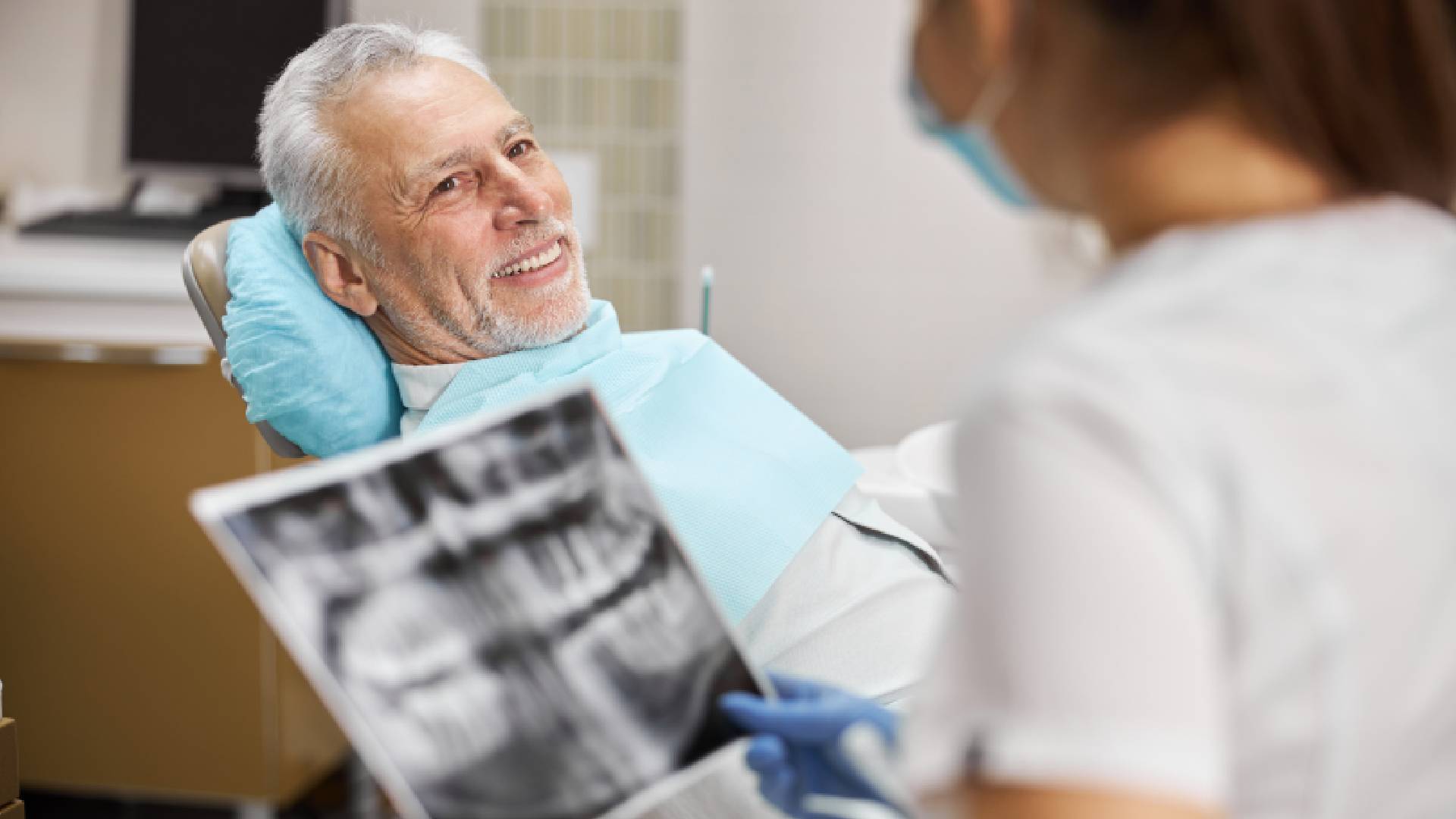
Implant restoration can transform your smile and restore full chewing function, but it also brings unique challenges you should understand before starting treatment. As you explore implant restoration, you’ll learn about surgical techniques, healing timelines, and prosthetic considerations that affect both comfort and outcome. By knowing what to expect, you can plan effectively and work with your dental team to achieve a durable, aesthetic result.
Understanding implant restoration
A dental implant is a metal post surgically placed in your jawbone that replaces your tooth root and supports an artificial crown, providing a natural tooth appearance and function [1]. Implant restoration refers to the entire process of inserting the implant, attaching an abutment, and finally securing a custom crown or bridge. Unlike removable dentures or traditional bridges, implants fuse with bone through osseointegration, creating a stable foundation for chewing and speech.
Your restorative plan may begin with pre-treatment steps such as composite filling service or root canal therapy if decay or infection affects adjacent teeth. Once your mouth is ready, your dentist will map out implant sites using 3D imaging and digital planning to preserve bone and soft tissue. Clear communication at this stage ensures your final restoration meets both functional and aesthetic goals.
Bone grafting challenges
If your jawbone is too thin or soft, bone grafting may be necessary to provide adequate support for the implant post [1]. Graft materials can include synthetic substitutes, donor bone, or bone harvested from another area in your mouth. While grafting expands your candidacy for implant restoration, it also adds complexity to the treatment timeline and increases overall cost.
Healing after grafting takes several months to ensure a solid foundation. During this period, you’ll follow a soft-food diet and avoid strenuous exercise to prevent graft failure. Careful oral hygiene and regular checkups are essential as you navigate this phase—your dentist may recommend antibacterial rinses or specialized cleaning tools to protect the graft site.
Surgical placement issues
The surgical placement of the implant post involves cutting the gum to expose underlying bone, drilling a precise socket, and seating the titanium post. Although the procedure is routine, you may experience discomfort, swelling, and minor bruising during the first few days. Pain management typically involves over-the-counter medications or prescribed analgesics, along with cold compresses to reduce inflammation.
In rare cases, the drill can strike a nerve or sinus cavity, leading to temporary numbness or sinus complications. By selecting an experienced implant surgeon, you minimize these risks. At Rox Dental Studio we use guided-surgery technology to enhance precision, reduce surgery time, and improve postoperative comfort.
Healing and integration
Once the implant is placed, osseointegration begins—your jawbone grows around the titanium post, locking it firmly in place. This critical phase usually lasts three to six months, depending on bone quality and individual healing rates. Rushing into the final restoration before adequate integration increases the chance of implant failure.
| Stage | Description | Timeframe |
|---|---|---|
| Consultation | Medical history review, imaging, and treatment planning | 1 visit |
| Bone grafting (if needed) | Grafting material placed and allowed to heal | 3–6 months |
| Implant placement | Surgical insertion of titanium post | 1 day |
| Osseointegration | Bone fuses with implant for stability | 3–6 months |
| Abutment placement | Minor surgery to attach connector piece | 2 weeks |
| Crown attachment | Final prosthetic tooth secured | 1 visit |
Your dentist will schedule follow-up visits to monitor healing and may place a temporary partial denture so you can eat and smile confidently while you wait. Adhering to dietary recommendations—avoiding hard, sticky, or crunchy foods—helps protect the healing implant.
Abutment and crown complications
After osseointegration, a small connector called an abutment is attached to the implant post. You may feel slight pressure or soreness during this minor surgery, and a short healing period follows. If soft tissue doesn’t adapt well, it can lead to gaps at the gum line or inflammation around the abutment.
The final crown, bridge, or denture attaches to the abutment. Achieving an exact color and shape match can be tricky—shade variations, crown material selection, and patient expectations all play a role. At this stage you may consider porcelain crown restoration for its superior stain resistance and natural translucency. If a crown loosens or fractures, timely repair or replacement prevents complications such as food trapping and gum irritation.
Functional and aesthetic concerns
A successful implant restoration must feel and look like your natural teeth. Functionally, you should regain at least 90 percent of your original biting force, allowing you to enjoy a wide variety of foods. However, some patients notice subtle differences in chewing efficiency or tongue positioning at first.
Aesthetically, gum contour and tooth alignment are critical. Inadequate gum volume can leave metal abutments exposed, while slight misalignment may affect your bite or smile symmetry. Your dentist can add soft-tissue grafts or adjust crown contours to fine-tune the outcome. If you have multiple missing teeth, implant-supported bridges offer a stable solution—speak with a bridge replacement dentist to explore your options.
Cost and time commitment
Implant restoration is an investment in your oral health and confidence, but it typically costs more than traditional bridges or dentures. Prices vary based on the number of implants, need for grafting, and materials chosen for your final restoration. While many dental insurance plans cover a portion of implant costs, you should verify benefits in advance and plan for out-of-pocket expenses.
Time is another factor—between grafting, implant placement, healing, and crown attachment, you’re looking at several months of treatment. For patients seeking faster solutions, custom dentures or conventional bridge & crown services may be an interim choice. Understanding both your budget and timeline helps set realistic expectations and ensures you’re prepared for the full process.
Choosing experienced providers
The skill and experience of your dental team heavily influence implant restoration success. Look for practices that offer:
- Comprehensive digital planning and guided surgery
- Detailed 3D imaging to map nerve locations and bone volume
- On-site laboratory or partnerships for custom prosthetics
- Clear communication about risks, alternative restorative dental procedures, and follow-up care
At Rox Dental Studio our implant specialists have placed hundreds of restorations with consistently high success rates. We tailor every treatment plan to your anatomy, lifestyle, and aesthetic goals, ensuring you receive personalized care from start to finish.
Preventing implant failure
Maintaining your implant’s health hinges on diligent home care and professional checkups. Key habits include:
- Brushing twice daily with a soft-bristled toothbrush
- Flossing around implants using interdental brushes or water flossers
- Scheduling six-month dental cleanings and exams
- Avoiding hard or sticky foods that can stress the restoration
- Quitting smoking to reduce risks of peri-implantitis infection
If you notice bleeding, swelling, or looseness around an implant, contact your dentist promptly. Early intervention for gum inflammation or mechanical issues can save your restoration and prevent bone loss.
Maximizing implant longevity
With proper care, dental implants can last decades—often more than 20 years—while crowns may need replacement every 10 to 15 years [2]. To extend the life of your restoration:
- Use a nightguard if you grind or clench your teeth
- Follow dietary guidelines during healing and beyond
- Attend periodic professional cleanings and digital X-rays
- Address any concerns about surrounding teeth, including repair chipped tooth or repair cracked tooth services
Combining routine maintenance with timely repairs ensures your implant remains a functional and aesthetic asset for years to come.
Understanding these common challenges—from bone grafting and surgical placement to long-term care—empowers you to make informed decisions. At Rox Dental Studio we’re committed to guiding you through every step of implant restoration, delivering solutions that blend durability, comfort, and beauty. If you’re ready to restore your missing tooth with confidence, reach out today to schedule your consultation.