What a dental bonding service can do for your smile
If you want to refresh your smile without extensive dental work, a dental bonding service can be a simple, effective solution. Dental bonding uses tooth colored resin to repair chips, close small gaps, reshape teeth, and cover minor discoloration. In many cases, you can walk in with a concern and walk out the same day with a noticeably improved smile.
Dental bonding is one of several cosmetic options available to you, alongside teeth whitening treatment, porcelain veneer placement, and gum contouring cosmetic dentist services. Understanding how bonding works, where it shines, and where another cosmetic treatment might be better will help you make a confident decision about your care.
How dental bonding works
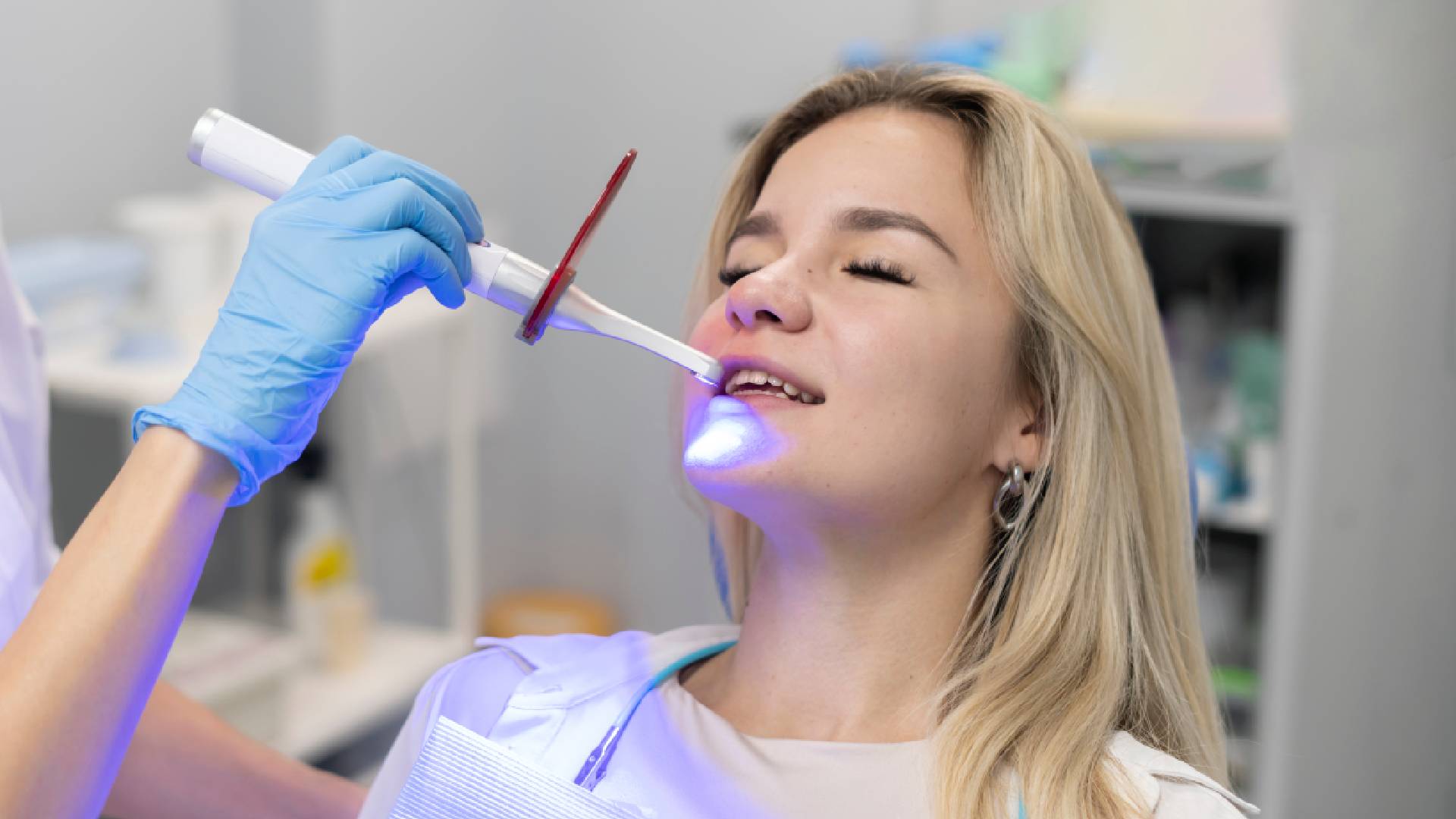
Dental bonding is a cosmetic procedure that uses a putty like, tooth colored composite resin to change the appearance of your teeth. The material is carefully shaped on your tooth, then hardened with a special curing light. Once it sets, it bonds securely to your enamel and can be polished to blend seamlessly with your natural teeth.
In most cases, you do not need anesthesia, unless bonding is used to fill a cavity or repair a chip near the nerve. Your dentist starts by selecting a resin shade that closely matches your neighboring teeth. A gentle etching or roughening of the surface helps the bonding material adhere. The resin is then applied in layers, sculpted, cured, and polished.
The process is usually completed in a single visit. Compared to more involved procedures, a dental bonding service preserves your existing tooth structure and requires minimal preparation. This makes it an appealing option if you want cosmetic improvement without a major time commitment.
Cosmetic concerns dental bonding can fix
Bonding is versatile. You can often address several cosmetic issues at once, which makes it an essential part of many cosmetic smile makeover plans.
You may be a good candidate for bonding if you want to:
- Repair small chips or cracks in front teeth
- Cover stubborn spots or discoloration that do not respond to whitening
- Close small spaces between teeth
- Make teeth appear longer or more evenly shaped
- Smooth rough or uneven edges
- Camouflage minor misalignment or rotation
If your concerns are limited to one or two teeth, bonding may be all you need. If you are looking for a more dramatic change across your entire smile, your dentist may recommend combining bonding with other esthetic dentistry services.
Dental bonding vs veneers and whitening
You have several options to enhance your smile. Comparing a dental bonding service with professional whitening and veneers can clarify what fits your goals, budget, and timeline.
Bonding vs teeth whitening
Teeth whitening lightens the overall shade of your teeth but does not change their shape. If you like the shape of your teeth yet want them brighter, an in office teeth whitening treatment is often the first step.
Bonding is different. It can cover individual stains or congenital discolorations that whitening cannot remove. It also lets you reshape specific teeth. In many full smile plans, your dentist might whiten first, then match bonding or veneers to your brighter baseline shade.
Bonding vs porcelain veneers
Both bonding and veneers can change shape, color, and length, but they differ significantly.
- Bonding is usually completed in a single visit and is more affordable upfront. It removes little to no enamel.
- Porcelain veneers typically require more than one appointment and a higher investment, but they are more stain resistant and longer lasting.
If you are considering a more comprehensive change to your front teeth, exploring veneers for front teeth or a combined whitening + veneers package through a veneers & bonding dentist can help you understand the advantages of each.
What to expect during a dental bonding appointment
Knowing what your visit will involve can ease anxiety and help you prepare.
Step 1: Cosmetic evaluation and planning
Your dentist begins with a thorough exam to make sure bonding is appropriate and that your teeth and gums are healthy. This often includes a cosmetic dental evaluation and may be part of a broader smile design consultation if you are interested in multiple cosmetic procedures.
You will discuss:
- What you like and dislike about your smile
- Specific teeth that bother you
- Your goals, from subtle refinement to a noticeable change
- Budget, timing, and how long you want the results to last
Photos or digital models can help you visualize the potential outcome.
Step 2: Tooth preparation
For most cosmetic bonding, the preparation is conservative. Your dentist may lightly roughen the surface of the tooth and apply a conditioning liquid. This helps the resin grip firmly. You should feel only gentle vibration or pressure, not pain.
If bonding is used to treat a cavity or an area close to the nerve, you may receive local anesthesia to keep you comfortable.
Step 3: Applying and shaping the resin
Your dentist then applies the tooth colored composite resin in small increments. Each layer is sculpted to match the natural contours of your tooth. The material is set with a curing light so that it hardens quickly.
Careful shaping at this stage is important, because it determines how natural your tooth will look and how the bonded area will function when you bite and chew.
Step 4: Polishing and final adjustments
Once the final shape is achieved, the surface is smoothed and polished to mimic the gloss of natural enamel. The dentist checks your bite and makes small adjustments if needed, so your teeth come together comfortably.
You can typically eat and drink shortly after the appointment. Some people notice slight sensitivity to temperature for a short time, but this often fades quickly.
Benefits of an effective dental bonding service
When performed skillfully, bonding can provide noticeable improvements with relatively little disruption to your daily life.
Key benefits include:
- Minimal removal of natural tooth structure
- Usually no anesthesia for purely cosmetic changes
- Fast results, often in a single visit
- Lower upfront cost compared with porcelain restorations
- Color matched to blend with surrounding teeth
- Versatility in addressing shape, spacing, and minor damage
Bonding can also be a valuable stepping stone if you are not ready for more permanent options. You can try out a new tooth shape or length before committing to porcelain veneers through a cosmetic dental clinic.
Limitations and when bonding is not ideal
Although bonding is useful, it is not the best solution in every situation. Understanding its limits helps you set realistic expectations.
Bonding may not be ideal if you:
- Have large fractures or structural damage that require crowns
- Grind or clench your teeth heavily, which can chip the resin
- Want the highest level of stain resistance and long term durability
- Need to change the color and shape of many teeth extensively
In these cases, porcelain restorations or a more comprehensive cosmetic dental care plan may be recommended. During a visit with a smile transformation dentist, you can compare bonding with other solutions like veneers, gum contouring, and whitening to find the best fit for your situation.
How long dental bonding lasts
The lifespan of bonding depends on several factors, including where it is placed, your bite, oral habits, and home care. In general, composite bonding can last several years before needing touch ups or replacement.
Bonding on front teeth that experience less biting force typically lasts longer than bonding on edges or back teeth. Frequent biting on hard objects, such as ice, fingernails, or pens, can shorten its life.
If you grind or clench at night, your dentist may recommend a night guard to protect your bonded teeth and your natural enamel.
With good home care and regular checkups, many patients keep bonded teeth looking attractive for years before minor refinements are needed.
Caring for your bonded teeth
You care for bonded teeth much like your natural teeth, but a few additional habits can help preserve the appearance and integrity of the bonding.
- Brush twice daily with a soft bristle toothbrush and non abrasive toothpaste
- Floss carefully around bonded areas to keep the margins clean
- Avoid chewing on very hard foods or objects with bonded edges
- Limit very dark or highly pigmented foods and drinks, especially in the first 48 hours
- Do not use your teeth to open packages or cut threads
Regular visits to your dentist allow early detection of any small chips or wear, which can often be smoothed or repaired quickly.
Combining bonding with other cosmetic treatments
Bonding rarely exists in isolation. It can be part of a tailored esthetic plan that includes other services at your cosmetic practice.
Whitening and bonding
If you plan to whiten your teeth, it is usually recommended to complete your teeth whitening treatment first. Composite resin does not whiten the same way enamel does, so your dentist will match the bonding to your new, brighter shade. If you whiten later, the bonded areas may appear darker than your enamel.
Veneers, bonding, and gum contouring
For more advanced smile changes, your dentist might pair bonding with:
- Porcelain veneers on multiple front teeth for long lasting color and shape control
- Select bonding on neighboring teeth to blend transitions or refine small details
- Gum contouring cosmetic dentist services to even out the gumline and show more tooth structure
If you are exploring a complete cosmetic smile makeover, a coordinated plan that may include porcelain veneer placement, bonding, and soft tissue reshaping can create a harmonious result that looks natural and balanced.
Choosing the right provider for dental bonding
The outcome of your dental bonding service depends heavily on the skill and aesthetic eye of your dentist. Composite bonding is as much an art as it is a science. Color matching, shaping, and polishing techniques all influence how natural your result will look.
When you evaluate a provider, consider:
- Experience with cosmetic bonding specifically, not just restorative fillings
- Before and after photos of cases similar to yours
- A comprehensive approach that considers bite function as well as appearance
- Willingness to discuss multiple options, from bonding to veneers and whitening
Consulting with a veneers & bonding dentist at a dedicated cosmetic dental clinic gives you access to a full range of esthetic dentistry services. This helps ensure that bonding is chosen because it is truly right for you, not because it is the only option available.
Is a dental bonding service right for you?
If you have small chips, gaps, or discoloration that make you self conscious when you smile, bonding can offer a relatively quick and conservative solution. It is especially attractive if you want:
- Noticeable improvement in one or a few teeth
- Minimal alteration of your natural enamel
- A budget friendly option compared with porcelain veneers
- Same day results for an upcoming event or photo session
During a smile design consultation or cosmetic dental evaluation, you can review all your options, including bonding, veneers, whitening, and gum contouring. Together with your dentist, you can design a step by step plan that fits your schedule and goals.
By understanding what an effective dental bonding service can achieve, as well as its limits, you are better prepared to choose the path toward a smile that looks natural, healthy, and confidently yours.