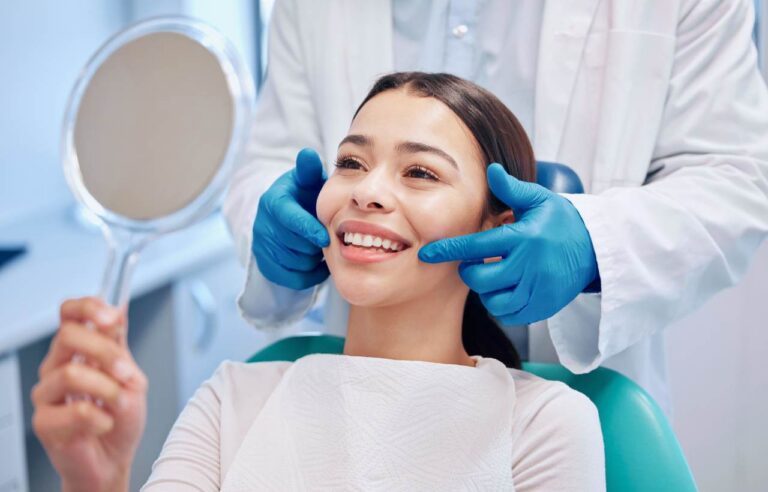
Understanding cosmetic dental care
Cosmetic dental care focuses on improving the appearance of your teeth and smile while still supporting your oral health. Where traditional dentistry concentrates on treating decay, infection, or pain, cosmetic treatments are designed to enhance color, shape, size, alignment, and overall symmetry.
When you invest in cosmetic dental care, you work toward a smile that looks brighter and more harmonious and that also feels comfortable and functional. At a modern cosmetic dental clinic, you can usually choose from a range of esthetic dentistry services that are tailored to your goals, schedule, and budget.
Cosmetic treatment can be as subtle as whitening your teeth a few shades or as comprehensive as a full cosmetic smile makeover. The right plan depends on your starting point and how dramatic you want the final result to be.
Start with a cosmetic dental evaluation
Before you decide on whitening, veneers, bonding, or any other smile enhancement, you should schedule a thorough cosmetic dental evaluation. This visit gives you a clear understanding of your current oral health and which cosmetic options are realistic and long lasting for you.
During your evaluation, your dentist will typically review your dental and medical history, examine your teeth and gums, and take digital images or X‑rays if needed. You can expect a detailed conversation about your main concerns, for example discoloration, worn edges, gaps, chipped teeth, or a gummy smile.
A well planned evaluation allows your dentist to identify underlying issues like gum disease, tooth decay, or bite problems that may need attention before cosmetic treatment. Addressing these foundation problems first helps protect your investment so your results look better and last longer.
You can use this appointment to ask questions about every service you are considering. If you are thinking about multiple procedures, your dentist may recommend a staged approach that fits your comfort level and financial plan.
Clarify your smile goals and expectations
You will get more out of cosmetic dental care when you are specific about what you want to change. Instead of simply asking for a “better smile,” think about which details you notice in the mirror or in photos.
Some of the most common goals include brighter color, more even edges, closing spaces between teeth, masking cracks or chips, and reshaping teeth that look too short or too long. You might also want to correct a gummy smile or improve overall symmetry between the right and left sides of your smile.
If you are planning a full smile design consultation, it can be helpful to bring old photos of yourself, or images of smiles you like, to show your preferred style. This context helps your dentist understand whether you prefer a very natural, conservative change or a more dramatic transformation.
Setting realistic expectations is important. For example, whitening can significantly brighten natural tooth enamel, but it will not change the color of existing crowns or fillings. Veneers can create a near instant alignment and shape makeover, but they require healthy tooth structure and careful planning. When you and your dentist share a clear vision, you are more likely to be satisfied with the final result.
A successful cosmetic treatment plan always balances what is technically possible with what looks natural for your face and feels comfortable for your bite.
Maintain strong oral health as your foundation
Even if your primary motivation is cosmetic, your long term result depends on healthy teeth and gums. Strong oral hygiene habits support your cosmetic work and reduce the risk of complications in the future.
You can protect your investment by brushing at least twice a day with a soft bristle brush, flossing daily, and using fluoride toothpaste. Regular cleanings and checkups allow your dentist to monitor your teeth, gums, and any cosmetic restorations so small issues are caught early.
If you grind or clench your teeth, you should mention this during your cosmetic evaluation. Nighttime grinding can wear down enamel and damage veneers or bonding. Your dentist may recommend a night guard to protect your teeth and cosmetic work while you sleep.
When your oral health is stable, cosmetic enhancements typically last longer and require fewer repairs. This means better value and a more consistent smile over time.
Brighten your smile with teeth whitening
Professional whitening is one of the simplest and most popular forms of cosmetic dental care. If you feel your smile looks dull or stained from coffee, tea, red wine, or tobacco, a teeth whitening treatment can often make a noticeable difference in a short time.
In office whitening uses stronger whitening gels and controlled techniques compared to store bought products. This professional approach helps you achieve more even and predictable results, usually in a single visit. Your dentist can also protect your gums and reduce sensitivity by carefully isolating the whitening gel.
Take home professional whitening trays are another option. You receive custom trays and a measured supply of gel to use at home over a period of days or weeks. This method offers more control and can be topped up later if your teeth gradually pick up new stains.
If you are considering veneers in addition to whitening, ask about a combined approach such as a whitening + veneers package. Many patients choose to whiten their natural teeth first, then match any new restorations to the brighter shade for a consistent result.
Enhance shape and color with veneers
Porcelain veneers are thin shells of ceramic that bond to the front surface of your teeth. They are a powerful option when you want to change multiple aspects of your smile at once, including color, shape, length, and alignment.
If you are interested in veneers, your dentist will guide you through a detailed porcelain veneer placement process. This usually includes digital imaging or mock ups, precise shade selection, and coordination with a dental lab. Veneers are often placed on the upper front teeth that show when you smile, sometimes called veneers for front teeth.
Porcelain is highly stain resistant and reflects light in a way that mimics natural enamel. With proper care, well made veneers can last for many years. They are especially useful if you have deep internal stains that do not respond to whitening, or if you have several teeth with chips, fractures, or worn edges.
For the most seamless result, work with a smile transformation dentist who has experience designing veneers that complement your facial features, lip shape, and skin tone. A careful design phase helps avoid a “one size fits all” look and instead creates a smile that fits you.
Repair flaws quickly with dental bonding
Dental bonding is a conservative cosmetic technique that uses tooth colored resin to repair or reshape teeth. If you have small chips, minor gaps, or localized discoloration, a dental bonding service may be an efficient solution.
During bonding, your dentist applies a pliable resin material directly to your tooth, then sculpts it into the desired shape. The resin is hardened with a special light and then polished so that it blends with your natural enamel. Little to no tooth structure is removed, and in many cases, numbing is not required.
A veneers & bonding dentist can advise you on when bonding is a better choice than veneers. Bonding is typically more affordable and more reversible, but it may not last as long or resist staining as effectively as porcelain. It is often ideal for single tooth repairs or for patients who prefer a minimal approach.
Bonding can also be used in combination with whitening or contouring for a more comprehensive yet still conservative makeover. The key is thoughtful planning so the shade and shape of the bonded areas match the rest of your smile.
Refine your gumline with contouring
Your gums frame your teeth and have a major influence on how your smile looks. If you feel your teeth look short, uneven, or hidden by excess gum tissue, gum contouring might be an appropriate cosmetic option.
A gum contouring cosmetic dentist can gently reshape your gumline to reveal more of your natural tooth structure and create a more symmetrical appearance. Modern techniques often use precise instruments or laser technology, which helps minimize discomfort and support faster healing.
Gum contouring can be performed on a single tooth to correct a local imbalance, or across several teeth in the smile zone for a broader cosmetic improvement. It is frequently combined with veneers, bonding, or whitening as part of a coordinated cosmetic smile makeover.
If you are considering gum contouring, your dentist will first evaluate the health of your gums and bone. In some cases, what looks like extra gum tissue is related to the position of the underlying bone, which may call for a more detailed approach. A careful assessment keeps both aesthetics and long term periodontal health in mind.
Combine treatments for a cosmetic smile makeover
Sometimes one procedure is enough to achieve your goals. In other cases, the best results come from combining several cosmetic services into a single treatment plan, often called a smile makeover.
During a comprehensive smile design consultation, you and your dentist can map out a sequence that might include whitening, contouring, bonding, and veneers, along with any necessary health centered care like fillings or gum therapy. A full cosmetic smile makeover considers tooth color, shape, alignment, gumline, and even how your teeth support your lips and overall facial appearance.
Your dentist might recommend whitening first to set your base shade, then using veneers or bonding to refine tooth shape and alignment. Gum contouring can be scheduled at the appropriate point so the final restorations are designed for your new gumline.
Careful staging helps keep your appointments efficient and your results consistent. Working with a smile transformation dentist who offers a range of esthetic dentistry services means you can keep your care coordinated in one place.
Care for your enhanced smile daily
After cosmetic treatment, your day to day habits have a direct impact on how your smile looks and feels. Good maintenance does not need to be complicated, but it does need to be consistent.
You can protect your results by brushing gently twice a day and flossing once a day, paying special attention to the edges of veneers, bonding, and crowns. Non abrasive toothpaste is often recommended to avoid scratching porcelain or resin surfaces. If you are not sure which products are safest, your dentist can offer specific guidance for your situation.
Limiting dark colored foods and drinks, or rinsing with water afterward, helps reduce staining on natural enamel and bonded areas. If you drink coffee or tea regularly, using a straw for iced drinks can reduce contact with your front teeth.
Regular professional cleanings and exams allow your dentist to polish cosmetic restorations, check for early wear, and refresh whitening if needed. If you notice any roughness, chipping, or changes in your bite, schedule a visit promptly so small repairs do not become larger problems.
Choose the right cosmetic dental clinic
Selecting a partner for your cosmetic dental care is just as important as picking the treatments themselves. Training, technology, and communication style all influence your experience and your results.
When you visit a cosmetic dental clinic, you should feel comfortable asking questions and discussing your concerns openly. A dentist who focuses on esthetic dentistry services will take the time to explain your options, show before and after examples when available, and outline a clear plan that respects your budget and timeline.
Pay attention to how your dentist evaluates your bite, jaw function, and gum health in addition to aesthetics. Cosmetic dentistry that ignores function can look good at first but may not hold up well in the long term. You want care that balances beauty, comfort, and durability.
If you are unsure where to start, scheduling a cosmetic dental evaluation or a detailed smile design consultation is a practical first step. From there, you and your dental team can decide whether whitening, veneers, bonding, gum contouring, or a customized combination is the best way to achieve a stunning smile that feels like your own.