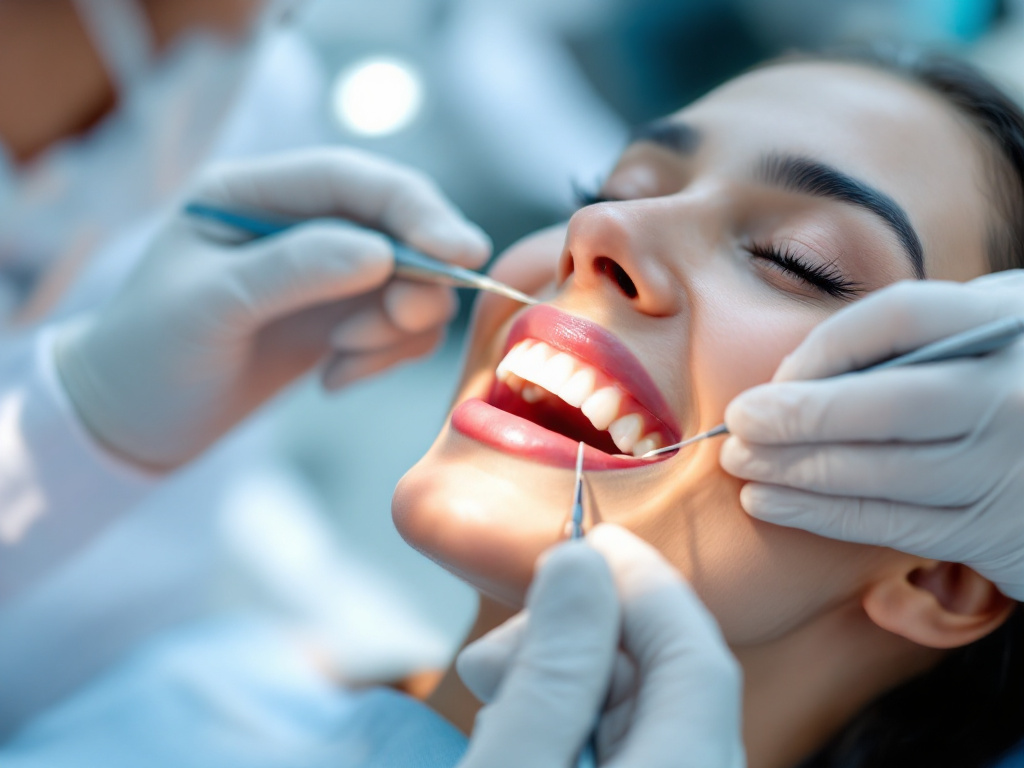
Comprehensive dental exam overview
Your comprehensive dental exam gives your dentist a complete view of your oral health, combining a detailed medical history review, clinical evaluation and advanced diagnostics. Unlike a basic visit, this in-depth assessment uncovers early signs of decay, gum disease and structural issues before they escalate. By prioritizing preventive dentistry, you reduce the likelihood of invasive procedures and safeguard your smile for years to come. Studies indicate that children who receive regular comprehensive dental exams experience fewer cavities and require fewer fillings or extractions compared to those who visit the dentist only when problems arise [1].
Definition and purpose
A comprehensive dental exam is a full-scale evaluation of every aspect of your oral health. During this visit, your dentist will:
- Review your overall health and dental history
- Examine soft tissues, teeth, gums and bite alignment
- Use diagnostic tools such as X-rays and intraoral photos
- Screen for oral cancer and other conditions
- Develop a personalized preventive and treatment plan
This exam forms the foundation of preventive care, helping you avoid pain, complex procedures and higher costs down the road by catching issues early.
Exam vs routine check-up
While a routine dental checkup focuses on cleaning and a basic exam, a comprehensive dental exam goes deeper. In a routine visit, you typically receive:
- Teeth cleaning and polishing
- Basic gum inspection
- Quick cavity check
In contrast, a comprehensive exam includes additional steps:
- Detailed medical and dental history analysis
- Full periodontal evaluation
- Oral cancer screening
- Bite analysis and cosmetic assessment
- Comprehensive digital dental X-ray exam
By choosing a comprehensive dental exam, you ensure that no detail is overlooked and that you benefit from a holistic approach to oral wellness.
Review your health history
Your overall health directly influences your oral condition. A thorough medical and dental history provides critical context for identifying risk factors and tailoring your care.
Medical and dental background
Your dentist will ask about:
- Current medications and allergies
- Chronic conditions like diabetes or osteoporosis
- Previous dental treatments and restorations
- History of gum disease or oral infections
Reviewing your health history allows your provider to adjust treatment methods, anticipate potential complications and recommend targeted preventive measures. For example, if you have a systemic disease that affects bone density, your dentist can monitor jaw health more closely and schedule more frequent evaluations.
Lifestyle and risk factors
Certain habits and life stages increase your risk for oral health issues. Discussing these factors helps your dentist create a customized plan. Common risk factors include:
- Tobacco use or vaping
- High-sugar diet and frequent snacking
- Hormonal changes during pregnancy or menopause
- Family history of gum disease or oral cancer
- Stress and bruxism (teeth grinding)
By identifying these patterns, your dentist can emphasize relevant preventive services such as dental sealant application for children or fluoride treatment dentist for adults, and recommend lifestyle adjustments to protect your smile.
Use diagnostic imaging
Advanced imaging tools are integral to a comprehensive dental exam. They reveal hidden issues and help you understand your oral health in three dimensions.
Digital X-rays
Digital radiographs capture detailed images of your teeth, roots and jawbone. They allow your dentist to spot:
- Interproximal cavities between teeth
- Bone loss from gum disease
- Impacted teeth not visible to the naked eye
- Abscesses and infections
Digital X-rays are quick, expose you to minimal radiation and produce images instantly on screen. This technology supports precise diagnosis and is a key component of any comprehensive exam [2].
Photos and records
Intraoral and extraoral photos document the color and condition of your gums, teeth and soft tissues. These high-resolution images help:
- Track changes over time
- Plan cosmetic or restorative treatments
- Communicate findings clearly with you
Photographic records, combined with X-rays, create a complete archive of your oral health, making follow-up visits more efficient and targeted.
Assess periodontal health
Gum disease often develops silently. A dedicated periodontal evaluation picks up early signs before irreversible damage occurs.
Gum tissue evaluation
During your comprehensive exam, your dentist inspects gum tissues for:
- Redness, swelling or bleeding
- Pockets forming between teeth and gums
- Gum recession or exposed roots
This visual and tactile assessment identifies gingivitis in its reversible stage and guides timely intervention.
Periodontal pocket measurement
Using a periodontal probe, your dentist measures the depth of pockets around each tooth. Pockets deeper than 3 mm may indicate periodontitis, a serious form of gum disease that can lead to bone loss and tooth mobility. Early detection through a comprehensive exam allows for prompt treatment such as scaling and root planing or referral for specialist care [3].
Perform oral cancer screening
Oral cancer can present without obvious symptoms. Regular screening during your exam improves the odds of catching it early when treatment is most effective.
Soft tissue examination
Your dentist examines all soft tissues, including:
- Lips and cheeks
- Tongue surfaces
- Floor and roof of the mouth
- Back of the throat
Any unusual lesions, white or red patches, or lumps are noted and evaluated.
Early detection importance
Early-stage oral cancers have a significantly higher survival rate. By including an oral cancer check in every comprehensive dental exam, you gain peace of mind and a safeguard against late diagnosis [4]. If any suspicious areas appear, your dentist may perform a biopsy or refer you to an oral oncology specialist.
Examine teeth and bite
A full assessment of your teeth and how they come together reveals wear patterns, alignment issues and restoration health.
Checking tooth structure
Each tooth is inspected for:
- Decay or demineralization
- Cracks, chips or fractures
- Condition of existing fillings, crowns or bridges
Detecting microfractures or early decay prevents progression to more complex procedures such as root canals or extractions [5].
Evaluating bite alignment
Your dentist analyzes your bite (occlusion) by having you close normally and then in various positions. Misalignments can cause:
- Jaw pain or TMJ disorders
- Uneven wear on teeth
- Headaches and muscle tension
Identifying these issues during a comprehensive exam allows for timely referral to an orthodontist or recommendation of occlusal guards.
Clean and polish surfaces
Professional cleaning during your comprehensive exam visit removes biofilm and mineralized deposits that at-home care can miss.
Professional plaque removal
A dental hygienist uses ultrasonic scalers and hand instruments to remove plaque and hardened tartar above and below the gum line. This process:
- Reduces bacteria that cause gingivitis
- Prevents progression of gum disease
- Improves the health of your gums and supporting bone
Cleaning is often paired with polishing to eliminate surface stains and leave your teeth feeling smooth [6].
Benefits of hygiene services
Integrating professional teeth cleaning and dental hygiene services into your care plan boosts your oral health by:
- Strengthening enamel with fluoride options
- Educating you on effective home care techniques
- Monitoring and reinforcing healthy habits
Regular hygiene visits complement your comprehensive exam, ensuring your mouth stays healthy between full assessments.
Develop personalized treatment plan
The findings from your comprehensive dental exam guide a tailored approach to preventive, cosmetic and restorative care.
Preventive care recommendations
Based on your risk profile, your dentist may suggest:
- Dental sealants to protect molars in children and teens [7]
- Fluoride varnish or gel for enamel strengthening [8]
- Nutritional and oral hygiene coaching
- Customized at-home care routines
These preventive strategies help you avoid future complications and maintain a healthy smile.
Cosmetic and restorative options
If your exam uncovers issues affecting function or appearance, your plan may include:
| Treatment | Purpose |
|---|---|
| Composite fillings | Repair small cavities and chips |
| Crowns and bridges | Restore shape, strength and aesthetics |
| Teeth whitening | Improve color and brightness |
| Orthodontic referrals | Correct misalignment for bite health |
Discuss these options with your dentist to weigh benefits, timing and costs before moving forward.
Schedule regular follow-ups
Consistency is key to long-term oral health. Your dentist will recommend an ideal follow-up schedule based on your exam findings.
Recommended intervals
The American Dental Association advises that most patients undergo a comprehensive dental exam and cleaning every six months. However, your needs may vary:
- High-risk patients (diabetes, smokers) may need visits every 3–4 months
- Low-risk adults can sometimes extend intervals to 9–12 months
- Children often require monitoring aligned with eruption of new teeth
Personalized scheduling ensures timely check-ins and supports early intervention [9].
Insurance coverage and cost
Most dental insurance plans cover two comprehensive exams and two cleanings per year. Out-of-pocket costs can vary:
- National average for an exam and cleaning: $203 (range $50–$350) [10]
- Diagnostic imaging or specialized tests may incur additional fees
- Check your individual plan or discuss financing options with your provider
Transparent cost estimates help you budget for ongoing preventive care without surprises.
Choose Rox Dental Studio
Rox Dental Studio is your trusted partner for comprehensive dental exams, preventive services and family dentistry. Our experienced team uses state-of-the-art diagnostics and personalized care plans to keep your smile healthy at every life stage.
Trusted preventive dental care
At Rox Dental Studio, we prioritize:
- Thorough new patient dental exam evaluations
- Seamless integration of routine dental services and advanced diagnostics
- Caring guidance on home care and lifestyle factors
- Targeted preventive treatments to minimize future issues
Ready to accept new patients
Whether you’re seeking baseline care or specialized services, we’re here for you. Schedule your next comprehensive dental exam today and explore our full range of offerings:
- Family dentistry services
- Preventive dental care services
- Routine dental checkup
- Flexible appointment times and welcoming care environment
Contact Rox Dental Studio, a dentist accepting new patients, and take the first step toward a healthier smile.
References
- (WebMD)
- (Highlands Dental Dallas)
- (gum disease evaluation dentist)
- (Delta Dental)
- (Guardian Life)
- (CareCredit)
- (dental sealant application)
- (fluoride treatment dentist)
- (Your Oviedo Dentist, CareCredit)
- (CareCredit)