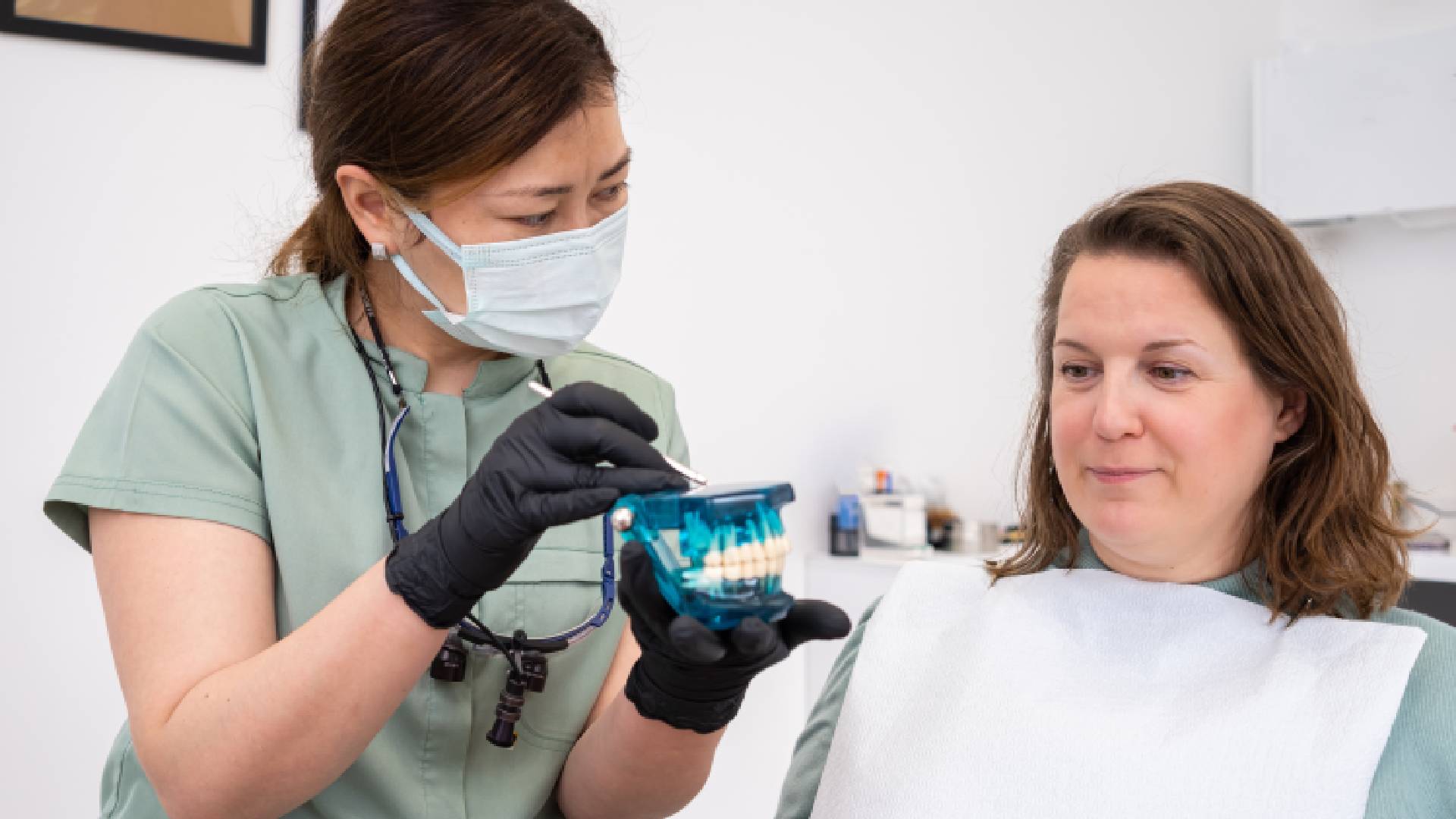
Dental crowns and bridges are two of the most common ways to restore teeth damaged by decay, cracks, or trauma—and understanding bridge & crown services can help you make the right choice for your smile. Dental crowns are custom-made caps that fit over weakened or decayed teeth, restoring strength, shape, and appearance according to Florence Family Dental, PC in Florence, NJ in 2024 [1]. Dental bridges replace one or more missing teeth by anchoring artificial teeth to adjacent natural teeth or implants, helping you chew, speak, and smile with confidence [1].
At Rox Dental Studio, we focus on durable, aesthetic, and functional repair solutions tailored to your needs. Whether you’re facing a chipped front tooth or several gaps in your bite, our team will guide you through each step of bridge & crown services so you can restore your oral health and enjoy a seamless, natural look.
Assess restorative needs
Before choosing crowns or bridges, you’ll want to evaluate the condition of your teeth and gums. Small chips or mild decay can often be resolved with a composite filling service or a targeted repair for a chipped tooth or cracked tooth. When decay extends deeper into the tooth pulp, root canal therapy may be necessary to eliminate infection before placing a crown.
If you’re missing one or more teeth, you have several options. A fixed bridge can span the gap and prevent adjacent teeth from shifting. Depending on your bone health and preference, you might explore an implant-supported option through our implant restoration service, or consider custom dentures for a removable solution. For extensive wear or multiple missing teeth, our full mouth restorative dentistry team can develop a comprehensive treatment plan.
Explore crown services
Crowns are designed to cover a damaged tooth from above the gum line, providing full protection and a lifelike appearance. They can strengthen a tooth weakened by decay, large fillings, or root canal treatment, and they’re often used to anchor bridges in place.
What dental crowns do
A crown surrounds your existing tooth structure, reinforcing it against daily forces of chewing and grinding. By redistributing bite pressure, crowns reduce the risk of further fractures or chips. They also conceal discoloration, misshapen teeth, and gaps that can affect your confidence when smiling. With the right shade match and precise contours, a well-fitted crown blends seamlessly with your natural teeth.
Crowns also support long-term oral health by preserving what remains of your natural tooth. In many cases, a crown can spare you from extraction and the additional procedures required to replace an entire tooth. With proper care, modern crowns can last a decade or more, helping you maintain both function and aesthetics.
Types of crowns
Porcelain crowns offer the closest match to natural tooth enamel, with customizable translucency and shade. They’re biocompatible and resist staining, making them ideal for front teeth. To learn more about our porcelain options, visit our porcelain crown restoration page.
Ceramic crowns are metal-free and exceptionally strong, suited for both front and back teeth. They can be fabricated in-house through CAD/CAM technology for same-day placement—ask about our dental crown placement service if you’d like to complete your treatment in one visit.
Metal alloy crowns, including gold-based alloys, excel at withstanding biting forces on molars. While they don’t match tooth color, their minimal wear on opposing teeth and high durability make them a solid choice for posterior restorations.
Each material has unique benefits, and your dentist will help you select the crown type that balances strength, appearance, and cost.
Explore bridge services
Bridges fill the space left by missing teeth, restoring chewing efficiency and preventing neighboring teeth from drifting out of alignment. Whether you lose a single tooth or several in a row, a bridge can maintain the shape of your face and the function of your bite.
How bridges work
A traditional bridge uses crowns on healthy teeth adjacent to the gap—called abutments—to support one or more artificial teeth known as pontics. Those pontics sit in the open space, mimicking the form and function of your missing teeth. Anchoring your restoration to adjacent teeth helps distribute bite forces evenly, reducing wear on individual teeth.
Implant-supported bridges replace abutment teeth with dental implants that fuse to your jawbone. This option preserves bone density and avoids preparing natural teeth. Maryland bridges use metal or ceramic wings bonded to the back of neighboring teeth for a more conservative approach, while cantilever bridges rely on a single abutment when space is limited.
Common bridge types
| Bridge type | Description | Healing time |
|---|---|---|
| Traditional bridge | Pontic anchored by crowns on two adjacent natural teeth | minimal downtime |
| Maryland bridge | Pontic secured with metal or ceramic wings bonded to back of teeth | minimal downtime |
| Implant-supported | Pontic supported on two or more dental implants | 3–6 months healing |
Implant-supported bridges require surgery and a healing period for osseointegration, typically three to six months before the final restoration is placed [2]. Traditional and Maryland bridges generally involve two appointments and little to no downtime, so you can return to routine activities almost immediately.
When you’re ready to discuss bridging options, our experienced bridge replacement dentist will guide you toward the solution that best fits your oral health and lifestyle.
Plan your procedures
Developing a clear timeline and understanding each step can ease any anxiety about your treatment. A typical plan includes consultation, preparation, temporary restoration, and final placement. Our goal is to keep your appointments efficient while ensuring precise, comfortable results.
Initial consultation
Your first visit will focus on a comprehensive oral exam. We’ll review digital X-rays, assess gum health, and take impressions or scans to evaluate bite alignment. If you have decay or fractures, your dentist may recommend starting with a composite filling service or root canal therapy before moving forward with crowns or bridges.
You’ll also discuss material choices, costs, insurance coverage, and any concerns you have about appearance or sensitivity. This planning session ensures you know exactly what to expect and how each phase fits into your schedule.
Treatment timeline
Below is a summary of the typical number of visits and expected downtime for each service:
| Service | Number of visits | Downtime and recovery |
|---|---|---|
| Crown | 2 (prep and final placement) | little to no downtime [3] |
| Traditional or Maryland bridge | 2 (prep and final placement) | little to no downtime [4] |
| Implant-supported bridge | 3+ (surgery, healing, placement) | 3–6 months osseointegration [2] |
This timeline can shift based on your individual needs, such as additional periodontal treatment or bone grafting.
Fitting and placement
At your preparation appointment, we remove any decay, shape the tooth or abutments, and take detailed impressions. A temporary crown or bridge will protect your smile while the lab fabricates your final restoration. When your permanent piece arrives, we check fit, bite, and shade match before cementing it in place.
After getting a dental crown or bridge, most patients experience only mild sensitivity that typically subsides within a few days. [5]
Final adjustments ensure your restoration feels natural and secure, setting you up for long-lasting success.
Compare materials and pricing
Costs for bridge & crown services vary based on material choice, complexity, and your geographic area. Lab fees, dentist expertise, and any preparatory treatments (such as root canal therapy) all factor into your investment. At Rox Dental Studio, we strive for transparent pricing and will provide detailed estimates before treatment.
Insurance considerations
Many dental insurance plans cover a portion of restorative work when deemed medically necessary. For example, Delta Dental insurance plans typically cover 50% to 80% of the total cost of a dental bridge after you meet your deductible [6]. Coverage for crowns can vary by plan, so we recommend consulting your carrier and our billing coordinator to maximize benefits and minimize out-of-pocket expenses.
Care for your restorations
Maintaining your crowns and bridges is similar to caring for natural teeth, but a few extra precautions can extend their life.
Daily oral hygiene
Brush twice daily with a soft-bristled toothbrush and fluoride toothpaste, focusing gently on the margins where the restoration meets natural tooth. Daily flossing or use of interdental brushes helps remove plaque around abutment teeth and pontics. A water flosser can be especially helpful for cleaning under bridges.
Habits to avoid
- chewing ice or hard candies
- using teeth to open packaging
- grinding or clenching without a night guard
- biting fingernails or chewing pens
- skipping routine dental check-ups
Minimizing these habits protects your restorations from chips, cracks, and premature wear.
Ensure lasting results
Even the best crowns and bridges require ongoing attention. By staying proactive about your oral health, you can enjoy your restoration for many years.
Regular check-ups
Schedule professional cleanings and exams at least twice a year. Your dentist will monitor the fit of crowns and bridges, check for early signs of decay at restoration margins, and verify that bite forces remain balanced. Early detection of issues can prevent more extensive repairs down the road.
When to seek help
Contact us if you notice increased sensitivity, a loose restoration, rough or uneven biting surfaces, or any change in the appearance of your crown or bridge. Addressing concerns promptly often means a simple adjustment rather than a full replacement. Our team at Rox Dental Studio is always ready to evaluate and advise on next steps, whether that involves a minor repair of broken dental work or a new restoration.
Restoring your smile with bridge & crown services can transform your function, comfort, and confidence. If you’re ready to explore your options, schedule a consultation at Rox Dental Studio today and take the first step toward a stronger, more beautiful smile.