Understanding veneers and bonding
When you look for a veneers & bonding dentist, you are usually aiming for a brighter, more even, and more confident smile. Veneers and bonding are both cosmetic dentistry treatments that can transform the way your teeth look, often in just one or two visits.
Veneers are thin, custom made shells that are placed on the front surface of your teeth to change color, shape, length, or alignment. Dental bonding uses tooth colored resin that is sculpted directly onto your teeth to repair chips, close gaps, or cover discoloration. Both treatments are part of broader esthetic dentistry services that focus on how your smile looks as well as how your teeth function.
You may be a candidate for veneers, bonding, or a combination of both if you have:
- Stained or discolored teeth that do not respond well to whitening
- Chipped, cracked, or worn edges
- Small gaps between teeth
- Teeth that look uneven, misshapen, or slightly crooked
- Old cosmetic work that no longer matches your smile
A veneers & bonding dentist evaluates all these factors during a cosmetic dental evaluation to recommend the most predictable way to reach your goals.
Key differences between veneers and bonding
Understanding how veneers and bonding differ helps you make informed choices with your dentist.
Materials and durability
Porcelain veneers are made from high quality ceramic. They are strong, stain resistant, and designed to mimic the way natural enamel reflects light. With good home care and regular checkups at a cosmetic dental clinic, porcelain veneers often last 10 to 15 years or longer.
Dental bonding uses composite resin, a material that is layered and shaped directly on your tooth. Bonding typically looks very natural, especially when placed by an experienced smile transformation dentist, but it is more porous than porcelain. As a result, it can pick up stains more quickly and usually has a shorter lifespan, about 4 to 8 years in many cases, depending on your habits and bite.
Cosmetic goals and coverage
Veneers generally cover the full front surface of the tooth. That makes them ideal for a complete cosmetic smile makeover where multiple teeth need to be lightened, reshaped, or aligned. Veneers are especially popular for upper front teeth that show most when you smile. If you are interested in correcting the entire visible smile zone, your dentist may recommend veneers for front teeth as a primary option.
Bonding usually targets a smaller area of each tooth. It is commonly used to fix a chipped edge, fill a small gap, or camouflage isolated stains or white spots. It can be an efficient choice when you do not need a full veneer, or when you want a more conservative and budget friendly update.
Cost and treatment time
Porcelain veneers typically involve higher up front cost per tooth, since they require custom lab fabrication and more chair time. They also tend to offer the longest lasting and most dramatic changes. Bonding usually costs less per tooth and can often be completed in a single visit.
Your dentist can combine both treatments to balance cost and aesthetics. For example, you might choose veneers for your most visible teeth and bonding for minor adjustments on neighboring teeth. Packages that integrate whitening and veneers, such as a whitening + veneers package, can sometimes improve value while giving you a more comprehensive result.
When veneers might be your best choice
Not every smile goal needs veneers, but there are situations where they are clearly the stronger option.
If you want a major change in both shape and color across several teeth, veneers usually provide the most predictable and uniform outcome. They can brighten intrinsic discoloration that does not respond to teeth whitening treatment, such as staining from certain medications or developmental conditions.
Veneers may also be recommended if you:
- Have multiple old fillings or bonding that give your front teeth a patchy look
- Want to correct mild crowding or alignment issues without orthodontics
- Have worn teeth that appear shorter due to grinding
- Prefer a more permanent and stain resistant solution
During your porcelain veneer placement visit, a small amount of enamel is usually reshaped so the veneers fit naturally. Your dentist then bonds the veneers securely to your teeth, creating a new outer surface that looks and feels like a natural, healthy smile.
When bonding may be the better option
Bonding can be ideal when you want a targeted, conservative, and quick enhancement.
You might be a strong candidate for dental bonding service if you:
- Have a chipped or cracked edge on an otherwise healthy tooth
- Want to close a small gap between two front teeth
- Have one or two teeth that are slightly smaller or shorter than neighbors
- Need to cover minor discoloration on a few teeth
- Prefer a reversible option before committing to veneers
Bonding does not usually require removing much enamel, so it can be easier to adjust or repair over time. If the resin chips or becomes stained, your dentist can add more material or polish the surface.
Bonding is also useful if you are testing how you feel about certain shape or length changes before investing in a full veneer case. Once you know what you like, you can plan a future cosmetic smile makeover that builds on what you have learned.
Other cosmetic options to consider
Your veneers & bonding dentist should look beyond any single procedure and consider all the treatments that might contribute to your ideal smile.
Professional teeth whitening
Sometimes whitening alone delivers the improvement you want. A well planned teeth whitening treatment can lift stains from coffee, tea, wine, and age related discoloration. Whitening first is especially helpful if you are considering a mix of bonding or a small number of veneers, since all tooth colored restorations must be matched to your final shade.
If you plan to have both whitening and veneers, ask about a coordinated approach like a whitening + veneers package. That way, your dentist designs your veneers to harmonize with your brightest, most natural looking tooth color.
Gum contouring and smile balance
In some cases, your teeth are a good shape, but too much gum tissue shows when you smile. A gum contouring cosmetic dentist can gently reshape the gum line around selected teeth, making your smile appear more even and proportional.
Gum contouring can be combined with veneers or bonding to create a more symmetrical frame for your teeth. When the gum line is balanced, the cosmetic work on your teeth tends to look more natural and harmonious.
Comprehensive smile design
If you have several cosmetic concerns, a structured smile design consultation can help you prioritize. This might include photos, digital imaging, or wax models to preview potential changes. Your dentist can then outline a step by step plan that may include whitening, bonding, veneers, gum contouring, or a combination of these options.
A thoughtful plan prevents you from doing isolated treatments that may not match future work, and it helps you understand timing, sequence, and investment from the start.
How to evaluate a veneers & bonding dentist
Choosing the right veneers & bonding dentist matters as much as choosing the treatment itself. Cosmetic procedures are elective, so you should feel confident in your provider’s training, experience, and design sense.
Training and experience
Ask about your dentist’s focus in cosmetic dental care. Cosmetic dentistry is not a separate specialty in the United States, so advanced experience often comes from continuing education and a strong clinical interest in esthetics.
You can look for:
- Documented experience with porcelain veneers and composite bonding
- Before and after photos of cases similar to yours
- Membership in cosmetic or restorative dental organizations
- Ongoing training in materials, techniques, and digital smile design
Consistent, high quality results across many patients suggest that your dentist has the skill to handle both routine and more complex cosmetic cases.
Portfolio and aesthetic style
Reviewing a dentist’s portfolio gives you insight into their approach to shape, color, and overall smile balance. Pay attention to whether the smiles look natural and individualized or overly uniform and opaque.
Some dentists favor ultra bright, perfectly even veneers, while others prefer a softer, more natural look with subtle variation. During your smile design consultation, communicate what you like and do not like about sample photos, and ask how the dentist would adapt that style to your face, lips, and gums.
Technology and materials
Modern cosmetic dentistry uses digital tools to improve precision and predictability. You can ask if your practice uses digital scanners instead of traditional impressions, digital smile simulations, or 3D printed models for planning.
Material choice also matters. High quality porcelain and advanced composite systems often provide better color stability and longevity. When you talk through your options, your dentist should explain why a particular material or technique is recommended for your situation instead of simply listing a menu of procedures.
What to expect from the consultation process
A thorough consultation is an important sign that you are in the right place. You should never feel rushed into a decision. Instead, your veneers & bonding dentist should walk you through several steps.
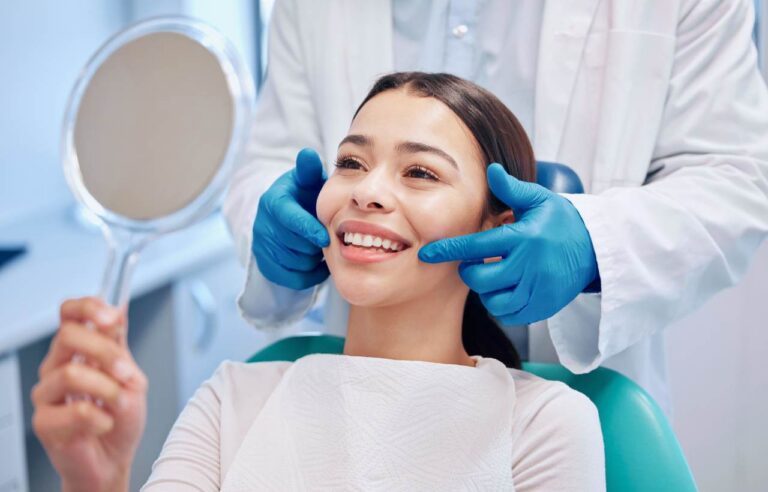
First, you share your goals. Maybe you want a brighter smile for an upcoming event, or you feel self conscious about chipped edges and gaps. Your dentist will usually take photos, review your bite, and perform a cosmetic dental evaluation to understand both appearance and function.
Next, your dentist will discuss possible treatment paths. This may involve whitening before any restorative work, limited bonding to correct specific flaws, or a more comprehensive plan with porcelain veneer placement on several teeth. You should hear clear explanations of benefits, limitations, and maintenance needs for each option.
Finally, you receive a proposed timeline and estimate. If several phases are involved, your dentist can help you decide which steps to do first. This planning allows you to coordinate your treatment with personal events or financial preferences.
A good cosmetic plan starts with listening. When your dentist understands what you hope to see in the mirror, every technical decision becomes more focused and efficient.
Questions to ask before you commit
Going into your appointment with a few focused questions can help you compare dentists and clarify what to expect. You might ask:
- How many veneer and bonding cases do you complete each month or year
- Can I see before and after photos of cases similar to mine
- How do you decide between bonding and veneers for specific teeth
- Will you show me a preview or mock up before final treatment
- What kind of maintenance and follow up will I need
- If something chips or stains, how is it repaired and what does that cost
You can also ask how your dentist coordinates different cosmetic services under one plan. For example, if you are considering both gum contouring and veneers, you want to know which treatment comes first and how long healing will take.
How Rox Dental Studio can support your smile goals
When you choose a practice that offers a full range of cosmetic options, it is easier to customize treatment instead of forcing your smile into a single procedure. At Rox Dental Studio, you have access to:
- Precision porcelain veneer placement for durable, natural looking changes
- Detailed dental bonding service for conservative repairs and refinements
- Targeted teeth whitening treatment and coordinated whitening + veneers package options
- Soft tissue reshaping with a gum contouring cosmetic dentist for a more balanced gum line
- Comprehensive planning through smile design consultation and cosmetic dental evaluation
Because all of these services are available in one setting, you and your veneers & bonding dentist can adjust the plan as you go, refine small details, and protect the health of your natural teeth and gums.
Taking your next step toward a new smile
Improving your smile does not have to be overwhelming. When you understand the differences between veneers and bonding, and when you work with a dentist who offers complete esthetic dentistry services, you can move forward with clarity and confidence.
If you are ready to see what is possible, schedule a smile design consultation. You will have the chance to discuss your goals, review personalized options, and decide whether veneers, bonding, whitening, gum contouring, or a tailored combination is the best path for you.