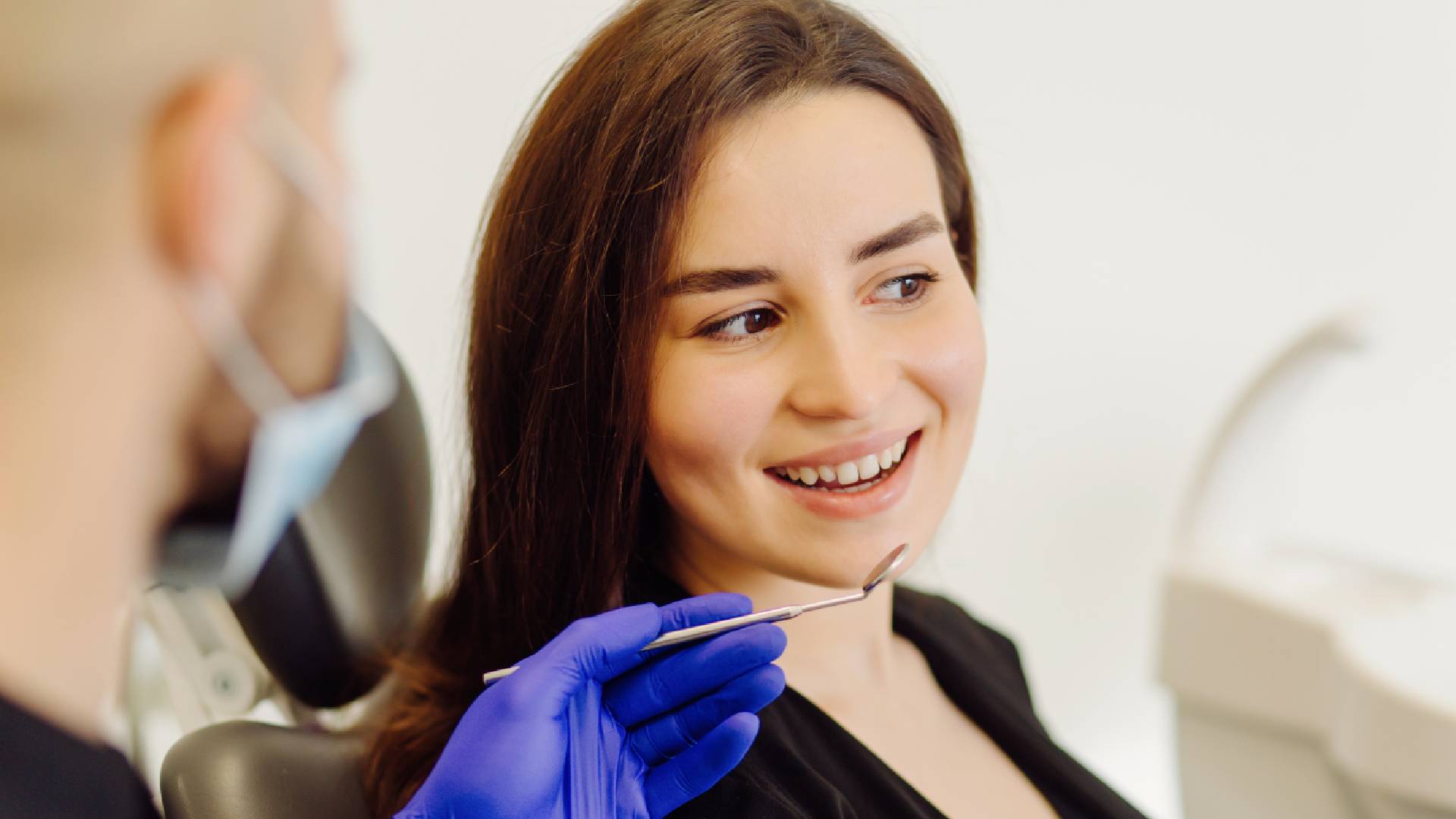
Restorative dental procedures overview
When your teeth suffer damage from decay, trauma, or normal wear over time, restorative dental procedures can bring back the health, function, and appearance you deserve. Restorative dentistry focuses on repairing or replacing teeth so you can chew comfortably, speak clearly, and smile confidently. From minor fillings to full mouth reconstruction, these treatments address dental health at its core, blending durable materials with precise techniques to deliver lasting results.
At Rox Dental Studio, our approach to restorative dental procedures prioritizes both form and function. We customize each plan to match your unique mouth structure, lifestyle, and aesthetic goals. Whether you need a simple composite filling or a complex series of implants and bridges, you’ll benefit from our advanced technology and evidence-based practices.
By choosing restorative dentistry, you invest in your oral health, overall well-being, and quality of life. Effective dental restorations prevent further damage, support proper nutrition, and keep potential infections at bay. With careful planning and expert execution, you can look forward to years of reliable performance from your new restorations.
Benefits of restorative dentistry
Restorative dental procedures go beyond cosmetic improvements. When you repair or replace missing or damaged teeth, you restore your bite balance, reduce strain on surrounding teeth, and maintain proper jaw alignment. This holistic impact translates into better digestion, fewer headaches, and a lower risk of developing TMJ issues.
Preventing further decay and gum disease is another key advantage. Filling cavities and sealing cracks stop bacteria from infiltrating deeper tooth structures. Addressing dental infections early on can spare you from complex surgeries or extractions later, which in turn protects your systemic health by reducing risks linked to untreated oral infections [1].
Confidence is equally important. A smile free of gaps, chips, or discolored restorations signals strong oral health and enhances social interactions. Many patients report a tangible boost in self-esteem after completing restorative treatment plans, noting they feel more willing to laugh, engage, and accept new challenges.
Most restorative work, when combined with diligent home care and regular checkups, can last well over a decade. Studies show properly maintained crowns, bridges, and fillings often exceed 10 years of service life [2]. That longevity makes skilled restorative dentistry an investment in both your present comfort and your future oral health.
Types of restorative procedures
A comprehensive range of restorative options allows you to select the best solution for each dental issue. Below we break down the most common procedures, helping you understand what they involve and when they’re recommended.
Dental fillings
Dental fillings repair small to moderate cavities by removing decayed material and sealing the area with a durable, tooth-colored composite. This process not only stops decay in its tracks but also restores the tooth’s natural shape and chewing surface. Composite resin fillings bond directly to enamel and dentin, offering strength and aesthetics without the need for metal amalgam [3].
If you’re looking for a reliable, esthetic option, ask us about our composite filling service. In many cases, a filling can be completed in a single visit, under local anesthesia, with minimal downtime.
Dental crowns
When a tooth is too damaged for a simple filling, a dental crown can fully encapsulate it to restore function and appearance. Crowns—made of porcelain, ceramic, or metal alloys—cover the entire visible portion of a prepared tooth. They strengthen cracked or weakened teeth, protect those treated by root canal therapy, and serve as sturdy abutments for bridges [3].
We offer both dental crown placement and custom porcelain crown restoration for pristine color matching and lasting durability. Each crown is fabricated in our on-site lab or partnered facility, ensuring a precise fit that feels comfortable and looks natural.
Fixed bridges
A fixed bridge spans the gap left by one or more missing teeth, anchoring artificial teeth (pontics) to crowned adjacent teeth. This option restores chewing ability, maintains facial structure, and prevents your remaining teeth from shifting out of alignment [3].
If you need to replace lost teeth quickly without surgery, consult our bridge replacement dentist. We also provide comprehensive bridge & crown services for integrated planning and seamless results.
Dental implants
Dental implants are recognized as the gold standard for permanent tooth replacement. A titanium post is surgically placed into your jawbone, where it fuses with bone tissue to recreate a natural root. A custom crown attaches on top, restoring full chewing function without altering neighboring teeth [3].
For cases where you’ve lost a single tooth or require multiple restorations, our implant team guides you through every step of implant restoration. If you’re looking to restore missing tooth areas more conservatively, implants may still be combined with bridges or dentures.
Removable dentures
Partial or full dentures remain popular for replacing numerous missing teeth without surgery. They rest on your gums and jawbone, restoring your ability to speak and eat. For added stability, implant-supported dentures secure your prosthesis directly to dental implants, eliminating slipping or sore spots [3].
Explore our custom dentures options, tailored for optimal fit, comfort, and aesthetics.
Inlays and onlays
When tooth damage is too extensive for a filling but not severe enough for a crown, inlays and onlays offer a conservative alternative. Crafted in a lab, these restorations fit precisely within or on the cusps of your tooth, preserving more natural structure than a full crown. They’re bonded securely to enamel, providing strength and preventing further decay [4].
Root canal therapy
Infections that penetrate a tooth’s pulp often require root canal therapy to remove diseased tissue and disinfect the interior. After cleaning the canals, your dentist seals them and typically adds a crown for protection. This approach saves a tooth that would otherwise face extraction, relieving pain and stopping infection spread [3].
Cosmetic tooth repairs
Minor chips, cracks, and fractured restorations can be quickly addressed with cosmetic bonding or veneer placement. If you need to repair chipped tooth, repair cracked tooth, or repair broken dental work, we use tooth-colored resins and high-strength porcelains to restore smooth lines and natural shine [5].
Full mouth restorative dentistry
For extensive damage or long-standing wear, a full mouth restoration combines multiple procedures—crowns, bridges, implants, and veneers—to rebuild your smile comprehensively. This customized plan addresses bite alignment, aesthetics, and function in one coordinated treatment sequence [4]. Learn more about our full mouth restorative dentistry offerings.
Treatment expectations and process
Understanding what happens during your dental restoration helps set realistic expectations and reduce anxiety. At Rox Dental Studio you’ll experience a streamlined process designed for comfort and efficiency.
Initial consultation and planning
Your first visit includes a thorough oral exam, digital X-rays, and 3D scans if needed. These images allow us to map out bone density, root positions, and soft tissue contours. We review your medical history, discuss your goals, and explain each applicable option—whether that’s a simple filling, crown, or a multi-step implant procedure.
Together we craft a personalized treatment plan, complete with timelines, costs, and aftercare instructions. You’ll know exactly what to expect before moving forward.
Procedure steps
On treatment day, we use local anesthesia and, when appropriate, sedation to ensure you remain comfortable. For fillings and bonding, the process is often completed in a single sitting. Crowns and inlays may require two visits—one to prepare the tooth and take impressions, and a second for placement.
Implant placement involves a minor surgical procedure followed by a healing period of several months to allow bone integration. During that time, we provide temporary restorations to maintain function and appearance.
Recovery timeline
Most restorative treatments involve minimal downtime. Fillings, crowns, and bridges usually allow you to return to normal activities immediately. Temporary sensitivity to hot, cold, or pressure is common for a few days after treatment [2].
Implant sites may require a week of soft-food diet and gentle cleaning to promote healing. Root canal therapy can cause mild soreness for 48–72 hours, managed easily with over-the-counter pain relievers.
Aftercare and maintenance tips
Proper post-treatment care is essential for the longevity of your restorations. Adopt these daily habits to protect your investment:
- Brush twice daily with a soft-bristled toothbrush, focusing around margins and gum lines
- Floss once a day or use interdental brushes to clean tight spots under bridges and around implants
- Avoid hard or sticky foods like ice, hard candy, and caramel to prevent cracking or loosening of restorations [6]
- Wear a custom nightguard if you grind your teeth to shield crowns and fillings from excessive force
In addition, schedule professional cleanings and exams every six months. Your hygienist will remove plaque and tartar from hard-to-reach areas, ensuring restored surfaces remain smooth and healthy [7].
If you experience persistent sensitivity, discomfort, or notice any irregularities, contact our office promptly. Early intervention prevents minor issues from becoming complex problems.
Choosing your provider
Selecting the right dental team is as important as choosing the procedure itself. Consider these factors:
Experience and credentials: Look for a practice with dentists who specialize in restorative techniques and maintain continuing education.
Technology and materials: Digital imaging, in-office labs, and high-quality ceramics or composites elevate precision and aesthetics.
Patient reviews and before-and-after galleries: Real stories from real patients demonstrate consistent, successful outcomes.
Comfort and communication: You want a team that listens to your concerns, explains options clearly, and guides you every step of the way.
At Rox Dental Studio, our doctors combine decades of restorative expertise with compassionate care. We partner with you to create a treatment plan that aligns with your health goals, budget, and lifestyle.
Cost and insurance coverage
Restorative procedures can vary widely in cost depending on materials, complexity, and geographic factors. Many dental insurance plans cover or partially cover medically necessary treatments such as fillings, root canals, crowns, and bridges. Coverage for elective services like cosmetic veneers or implants may be more limited, often requiring out-of-pocket payment or financing.
| Procedure | Typical insurance coverage |
|---|---|
| Fillings | 80–100% of cost |
| Root canal therapy | 50–80% of cost |
| Crowns and bridges | 50–80% of cost |
| Dentures and implants | 20–60% of cost |
Most restorations, when cared for properly, last more than a decade [2]. Our financial coordinators at Rox Dental Studio work with all major insurance carriers and can help you explore payment options, including third-party financing to spread costs over time.
Conclusion
Your smile is a blend of health, function, and confidence. By investing in trusted restorative dental procedures, you ensure each tooth stands strong against decay, wear, and trauma. From simple composite fillings to comprehensive full mouth restorations, Rox Dental Studio offers the expertise, technology, and personalized care you need to reclaim your best oral health.
Contact us today to schedule your consultation and discover how our durable, aesthetic, and functional repair solutions can transform your smile.