Understand professional teeth cleaning
Professional teeth cleaning is a preventive dental service performed by a licensed dental hygienist or dentist to remove plaque, tartar and bacterial buildup that you can’t eliminate with brushing and flossing alone. During this procedure, your provider combines physical examination, scaling, polishing, flossing and a fluoride application to leave your smile healthy and bright. By investing in routine cleanings, you support your overall dental health and help your provider catch issues early.
Review why it matters
When you schedule regular professional teeth cleaning, you gain more than just a brighter smile. Removing hardened plaque and tartar prevents cavities and gum disease, reduces bad breath and lowers your risk of more serious health conditions linked to oral bacteria. Studies show that cleaning promotes healthier gums and can even help you avoid costly restorative treatments down the road.
Describe cleaning steps
-
Physical exam
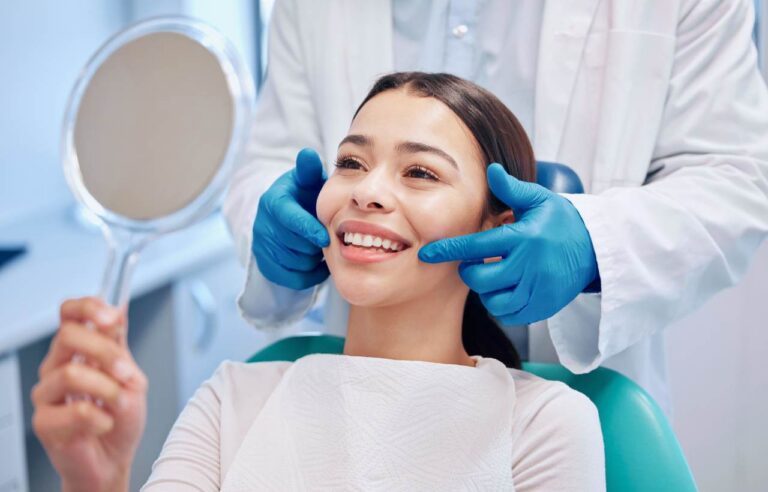
Before cleaning begins, your dental hygienist performs a thorough oral evaluation using a small mirror. They’ll look for signs of gingivitis, cavities, or other concerns that may need further care. This exam often overlaps with a comprehensive dental exam to ensure nothing is missed [1]. -
Scaling
Next, your hygienist uses hand or ultrasonic scalers to remove plaque and tartar around the gum line and between teeth. The amount of buildup affects how long scaling takes. This step prevents bacteria from inflaming your gums and causing periodontal issues [1]. -
Polishing
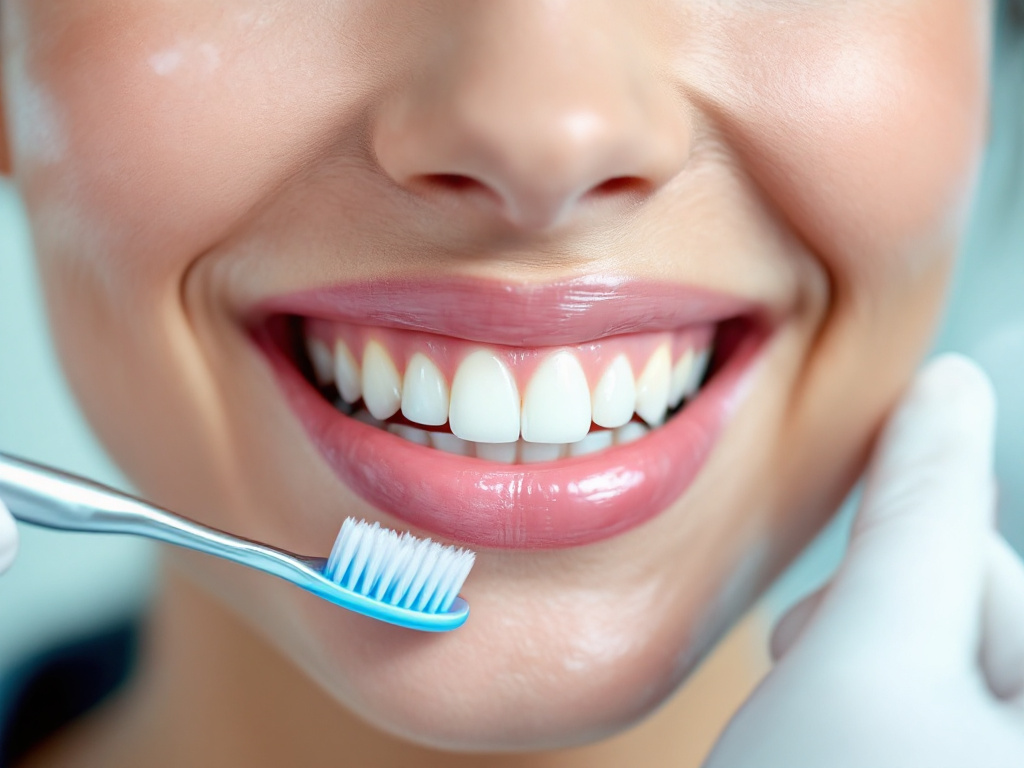
After scaling, a high-powered electric brush and gritty toothpaste polish your teeth. This deep clean smooths enamel, removes surface stains and leaves your smile shining. When done professionally twice a year, it’s safe and effective without damaging tooth structure [2]. -
Flossing
Expert flossing reaches spots you may miss at home. Your hygienist identifies any areas of gum bleeding or tight contacts between teeth, ensuring all plaque and polish residue is cleared away [1]. -
Fluoride application
The final step is often a foamy gel or varnish that coats your teeth with fluoride. This treatment strengthens enamel and helps prevent cavities for months after your visit. If you have higher cavity risk, your provider may recommend more frequent applications or adjunctive treatments [1].
Explore health benefits
- Prevent cavities: Professional cleaning removes decay-forming plaque you can’t access at home.
- Reduce gum disease: Eliminating tartar helps your gums heal and stay inflammation-free.
- Freshen breath: Deep cleaning tackles odor-causing bacteria and leaves your mouth feeling clean.
- Early issue detection: Your provider screens for oral cancer, cavities and other concerns during every visit. For dedicated screenings, see our oral cancer screening dentist service.
- Maintain overall wellness: Studies link good oral health to lower risk of heart disease, diabetes complications and pregnancy issues.
Consider recommended frequency
The American Dental Association suggests a professional teeth cleaning every six months for most patients. However, your frequency may vary based on risk factors like tobacco use, diabetes or a history of gum disease. Some people require cleanings every three to four months, while others with excellent oral health may do fine annually [2]. Pair your cleaning with a routine dental checkup or a digital dental x-ray exam to ensure comprehensive preventive care.
Address common side effects
While professional cleaning is safe, you may experience:
- Tooth sensitivity: Mild sensitivity to hot or cold stimuli can occur but usually subsides in a few days. Use a desensitizing toothpaste if needed.
- Gum tenderness or slight bleeding: Especially if your gums were inflamed before cleaning; warm salt water rinses help soothe discomfort.
- Temporary metallic taste: Instruments or fluoride gels sometimes leave a brief taste sensation.
Rarely, patients report numbing or loosening of teeth; persistent symptoms warrant a follow-up visit [3].
Prepare for your appointment
- Review your medical history and any medications with your provider.
- Brush and floss thoroughly before your visit to make scaling more efficient.
- Bring questions about your oral health, such as cavity prevention or cosmetic options.
- Arrive early to complete registration, especially if this is your first visit. You may also schedule a new patient dental exam to combine your cleaning with a full assessment.
Choose your provider
When you search for “preventive oral care near me,” look for a practice that offers:
- Experienced hygienists and dentists who specialize in dental hygiene services and preventive dental care services
- Flexible scheduling and transparent pricing, whether you’re seeking routine dental services or comprehensive family care
- Advanced diagnostics like digital X-rays, oral cancer screening and gum disease evaluation dentist services
- Fluoride and dental sealant application options for children and adults
- A team that’s welcoming new patients—search for a dentist accepting new patients
At Rox Dental Studio, we blend expert care with a gentle touch to keep your smile healthy for years to come. Whether you’re due for your first cleaning or you need ongoing maintenance, our team is here to guide you through every step of preventive care.