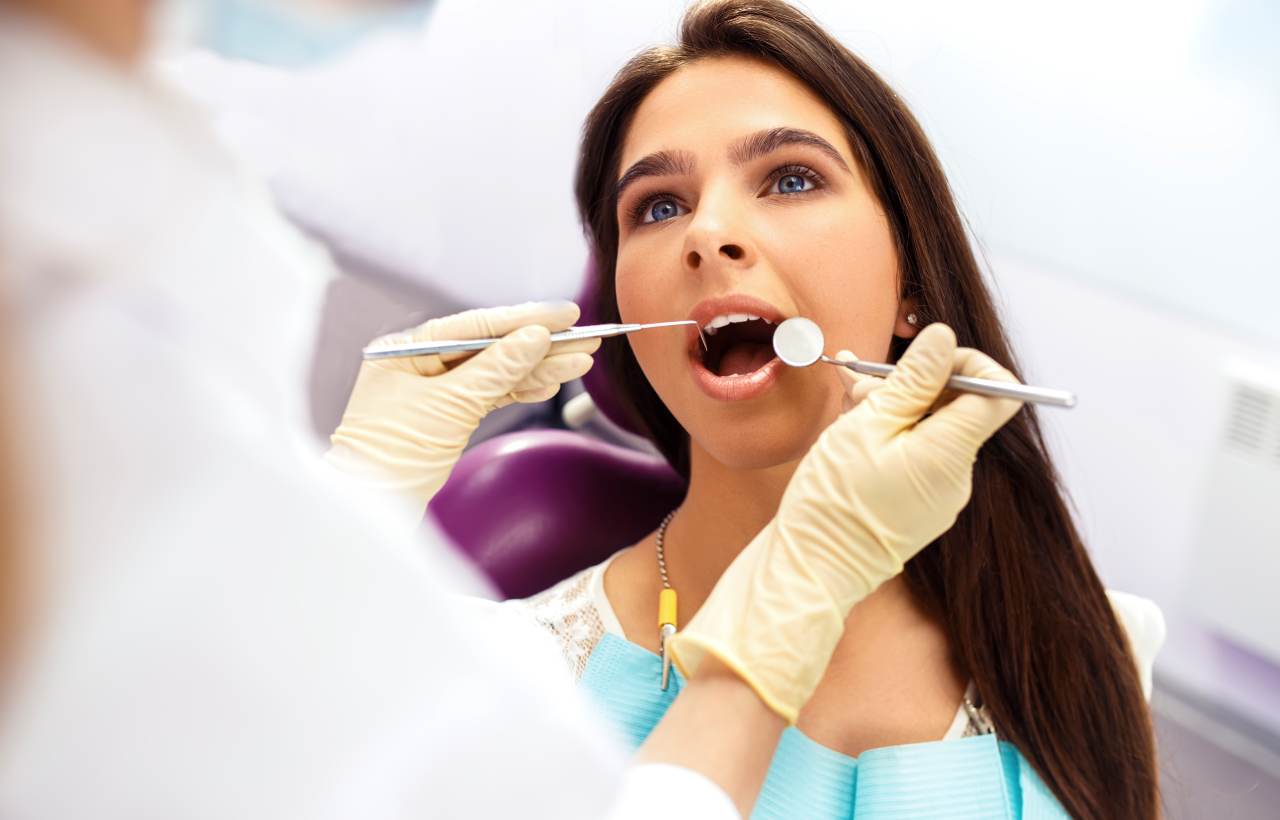
A routine dental checkup is exactly what stands between a small problem and an expensive one. Most adults know they should go twice a year, yet according to a 2023 CDC report, nearly 40% of adults skipped a dental visit in the past twelve months. What follows is a plain-English breakdown of what is included in a dental checkup, step by step, so you know what to expect before you walk in the door.
What a Dental Checkup Actually Covers
A checkup is the full preventive appointment most insurance plans cover twice a year. It combines a clinical examination, professional cleaning, X-rays when needed, and screenings for conditions that go well beyond your teeth. The purpose is simple: catch problems while they are still small. Early-stage decay costs a fraction of what a root canal or extraction runs. The same logic applies to gum disease, bite issues, and oral lesions. A checkup is not just maintenance. It is the earliest warning system available for your oral health.
The Difference Between a Dental Checkup and a Dental Exam
Patients use these terms interchangeably, but there is a practical distinction worth knowing before you schedule. According to Delta Dental, a dental exam is the clinical assessment portion of the visit, where the dentist evaluates your teeth, gums, and surrounding structures. A dental checkup is the full appointment, which includes the exam plus a professional cleaning, X-rays if indicated, and any additional screenings.
In practice, what this means is that when you call to book, ask specifically for a “comprehensive checkup” rather than just an “exam.” Some offices schedule these separately. Getting both in one visit saves time, gives the dentist a complete picture, and ensures nothing gets skipped simply due to scheduling.
What Happens During a Dental Checkup, Step by Step
A checkup follows a predictable sequence. Knowing that sequence removes most of the uncertainty, especially if you have not been to a dentist in a while. Here is how a standard visit unfolds.
Medical and Dental History Review
The appointment starts before anyone looks in your mouth. The dental team reviews your current medications, any health changes since your last visit, and anything that prompted you to come in. This step matters more than most patients realize. A 2022 review published in the Journal of the American Dental Association found that systemic conditions including diabetes, hypertension, and heart disease all show early signs in oral tissue, and that medication lists directly inform how treatment is approached.
The practical move here: bring an updated list of every medication you take to every appointment, even if nothing has changed. A new blood thinner, for example, affects how a hygienist approaches gum care. Accurate history protects you.
Full Dental Examination
The dentist examines every tooth visually and with a small instrument called an explorer, along with the gum tissue, bite alignment, jaw joints, and any existing restorations like fillings or crowns. A 2021 study in the Journal of Dental Research found that clinical exams combined with X-rays detect approximately 90% of cavities that would otherwise go unnoticed until they cause pain.
If you have noticed any sensitivity to cold, a spot that feels rough with your tongue, or discomfort when biting, mention it before the exam begins. That information gives the dentist a specific starting point rather than relying entirely on the visual sweep.
Dental X-Rays
X-rays reveal what no visual exam can catch: decay forming between teeth, bone loss beneath the gumline, impacted teeth, and infections that have not yet surfaced as pain. The ADA reports that modern digital X-rays expose patients to roughly 0.005 millisieverts of radiation per full set, which is less than a day of background radiation from natural sources.
Skipping X-rays to save time is a trade-off that rarely works in your favor. Decay caught on film at the one-millimeter stage is a filling. Decay caught when it starts causing pain is often a root canal. The difference in cost and recovery time is significant.
Gum and Periodontal Health Check
The hygienist uses a thin instrument called a periodontal probe to measure the depth of the space between each tooth and the surrounding gum tissue. Healthy pockets measure between 1 and 3 millimeters. Numbers above 3 indicate early gum inflammation; readings above 5 signal established periodontal disease.
According to 2022 CDC surveillance data, nearly half of American adults over 30 have some form of periodontal disease. Ask the hygienist to read your pocket numbers aloud during this step. You will walk away with a concrete baseline and know exactly which areas to focus on at home. Understanding why routine cleanings prevent tooth loss starts with knowing your pocket depths.
Oral Cancer Screening
The dentist examines the lips, tongue, cheeks, throat, floor of the mouth, and palate for any tissue that looks or feels abnormal. The Oral Cancer Foundation reports that oral cancers detected at an early stage have a five-year survival rate above 80%, compared to roughly 38% when caught late.
This screening takes about two minutes. If you use tobacco in any form or drink alcohol regularly, mention it before the screening. The dentist pays closer attention to high-risk areas when your history warrants it.
Professional Cleaning (Prophylaxis)
The hygienist removes tartar, which is hardened plaque that no toothbrush can eliminate, polishes the enamel, and flosses between every tooth. According to the ADA, professional cleaning reduces the risk of gum disease by removing the bacterial buildup that drives inflammation below the gumline.
Pay attention during this step. The spots where the hygienist spends extra time are the exact spots your brushing or flossing is missing. That feedback is more useful than any generic reminder to floss more often. For practical strategies on keeping your teeth healthy between appointments, building on what the hygienist shows you is the right starting point.
Treatment Planning
If the exam or X-rays turn up any concerns, the dentist explains them before you leave and outlines a treatment plan. This step might cover a small filling, a referral to a specialist, or simply a note to monitor something at the next visit. A 2020 NIDCR analysis found that patients who receive same-day treatment planning are significantly more likely to follow through on recommended care than those who receive a written summary in the mail.
Before you leave, ask the front desk to prioritize the treatment plan into steps. Most dental offices can stagger appointments to match your schedule and budget. Knowing the sequence makes follow-through far easier.
How Long a Dental Checkup Takes
A routine checkup with cleaning runs 45 to 90 minutes for most returning patients. First visits, or appointments that include a full set of X-rays and a more detailed exam, typically run closer to 90 minutes or more. The ADA recommends building in extra time for new patients to allow for thorough history review and baseline records.
Booking the first appointment of the morning or the first slot after lunch cuts down on wait time and leaves room for any follow-up questions.
How Often You Need a Dental Checkup
The standard ADA and American Academy of Periodontology recommendation is every six months for most patients. If you have active gum disease, diabetes, dry mouth, or a history of frequent cavities, every three to four months is more appropriate. For a detailed breakdown of how personal risk factors affect scheduling, how often you should go to the dentist depends on more than the default calendar reminder.
Ask your dentist at the end of the appointment what interval fits your specific situation. That answer is more useful than any general guideline.
What Dental Checkups Cost and What Insurance Covers
Most PPO plans and Medicaid cover two preventive checkups per year at no or minimal out-of-pocket cost. According to FAIR Health 2023 consumer data, the combined cost of an exam, cleaning, and standard X-rays without insurance typically runs between $200 and $350 depending on location and the scope of the visit.
Before your appointment, call your insurance provider and ask which diagnostic codes are covered under your plan. Preventive codes, specifically D0120 (periodic exam), D1110 (adult prophylaxis), and D0274 (bitewing X-rays), are covered at 100% under most standard plans. Knowing this ahead of time eliminates billing surprises.
What Happens If the Dentist Finds a Problem
Finding something during a checkup is not bad news. It is the entire point. A 2019 study published in JADA found that treating cavities at the earliest detectable stage costs on average 68% less than treating the same cavity after it has advanced to involve the pulp. The same principle applies to gum disease and bite problems.
Schedule any follow-up treatment before you leave the office. Gaps between diagnosis and treatment let small problems grow. Understanding why preventive care matters is easier once you see how quickly a minor finding becomes a complex one when left alone.
What to Try This Week
Book the checkup now, not after the next toothache. Call the office, confirm your insurance is accepted, and ask for the first available comprehensive exam slot. That one phone call is the only action that matters this week.
Frequently Asked Questions
Is a dental checkup the same as a cleaning?
Not exactly. A cleaning, called prophylaxis, is one component of a full checkup. A complete checkup also includes a clinical exam, X-rays when needed, a periodontal health assessment, and an oral cancer screening. Some offices schedule these separately, so confirm you are booking the full preventive appointment.
What should you bring to a dental checkup?
Bring a current list of all medications and supplements, your insurance card, and a list of any symptoms or concerns you have noticed, even minor ones like occasional sensitivity or a spot that looks different. Updated health information helps the dental team provide accurate care.
Do dental checkups hurt?
For most patients with no active problems, a checkup is not painful. The professional cleaning may cause brief sensitivity, particularly in areas where gum tissue is inflamed. If you have dental anxiety or a low pain threshold, letting the office know before the appointment allows the team to adjust their approach.
Can children and seniors get the same type of checkup?
The structure is the same, but the focus shifts. Pediatric checkups monitor tooth development, spacing, and bite patterns. Senior checkups pay closer attention to gum recession, dry mouth from medications, and changes in existing restorations. The core steps, history review, exam, X-rays, cleaning, and screening, apply at every age.
What happens if you have not been to a dentist in several years?
The first appointment after a long gap is typically a comprehensive exam rather than a routine checkup. The dentist gathers a full set of baseline X-rays, does a thorough clinical evaluation, and builds a prioritized treatment plan from there. It is not a reason to delay further. Preparing for a first visit or a return visit follows a straightforward process, and most offices are experienced with patients who have avoided care for years.
Are dental checkups covered by Medicaid?
Yes. Medicaid in North Carolina covers preventive dental services for adults, including exams and cleanings, though coverage details and frequency limits vary. Confirm your specific plan’s benefits with the office before your appointment so you know exactly what is included at no cost to you.