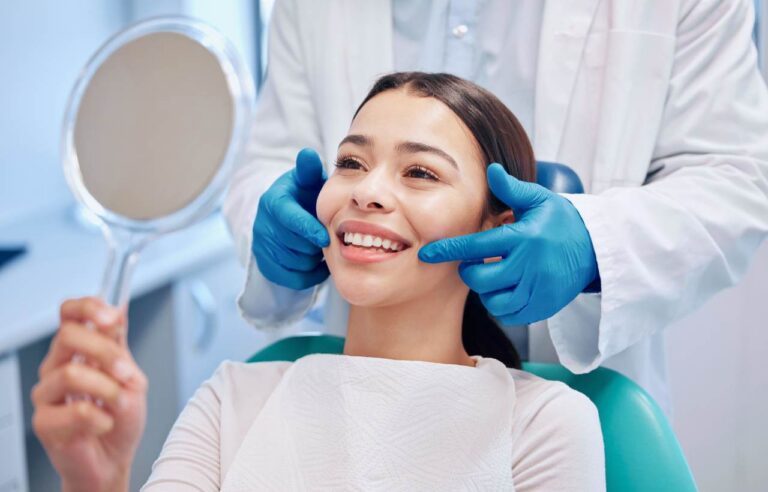
Most adults know they’re supposed to get their teeth cleaned twice a year. Far fewer understand why that advice matters as much as it does, or what the benefits of regular teeth cleanings actually extend to beyond a brighter smile. The research connects oral health to heart disease, diabetes, and pregnancy outcomes, making a routine cleaning appointment one of the more consequential health decisions you make all year.
What Regular Teeth Cleanings Actually Do for Your Health
A 2019 study published in the Journal of the American Heart Association, analyzing data from over 26,000 adults, found that people who visited the dentist at least twice a year had a 16% lower risk of heart attacks and a 23% lower risk of stroke compared to those who never received preventive care. That is not a dental statistic. That is a cardiovascular one.
The mechanism starts in the mouth. When bacterial plaque builds up along the gumline and hardens into tartar, the gums become inflamed. That inflammation creates pathways for bacteria to enter the bloodstream, where they can contribute to systemic problems that have nothing obvious to do with teeth. Regular cleanings disrupt that cycle before it compounds.
Beyond the systemic connections, patients who keep consistent cleaning schedules simply have healthier mouths in measurable ways: less tartar accumulation, lower rates of gum bleeding, and fewer cavities over time. The difference between consistent and inconsistent patients is visible from the first exam.
What Happens During a Professional Teeth Cleaning
If you have avoided scheduling a cleaning because you are not sure what to expect, the process is more straightforward than most people anticipate. A routine prophylaxis appointment, which is the clinical term for a standard cleaning, typically takes 45 to 60 minutes and follows a predictable sequence. Understanding what’s actually covered at each visit makes it easier to show up without anxiety.
The Exam That Catches Problems Early
Before any cleaning begins, the hygienist or dentist examines your mouth. This includes checking for early signs of cavities, measuring gum pocket depth with a small periodontal probe, and performing a visual screening for oral abnormalities. Gum pocket measurements are taken in millimeters: healthy gums measure between 1 and 3 millimeters. Numbers above 4 indicate the beginning of gum disease, and that early data point changes the treatment plan.
This exam is also the moment when an oral cancer screening happens. The clinician looks at the tongue, cheeks, floor of the mouth, and throat for unusual tissue changes. Most patients are unaware this is part of every routine visit.
Plaque and Tartar Removal
Plaque is the soft, sticky film of bacteria that forms on teeth throughout the day. You can remove it with a toothbrush. Tartar, also called calculus, is what happens when plaque mineralizes, typically within 24 to 72 hours of formation. Once calculus forms, no toothbrush or floss removes it. Only metal scaling instruments or ultrasonic scalers, used by a dental professional, can break it off.
A 2018 study in the Journal of Periodontology found that patients who went 12 months without a professional cleaning showed significantly greater calculus accumulation in posterior regions of the mouth, the areas most people miss during home brushing. That buildup becomes the foundation for gum disease if left unaddressed. Scaling removes both supragingival calculus (above the gumline) and, when necessary, subgingival calculus (below it).
Polishing, Flossing, and Fluoride
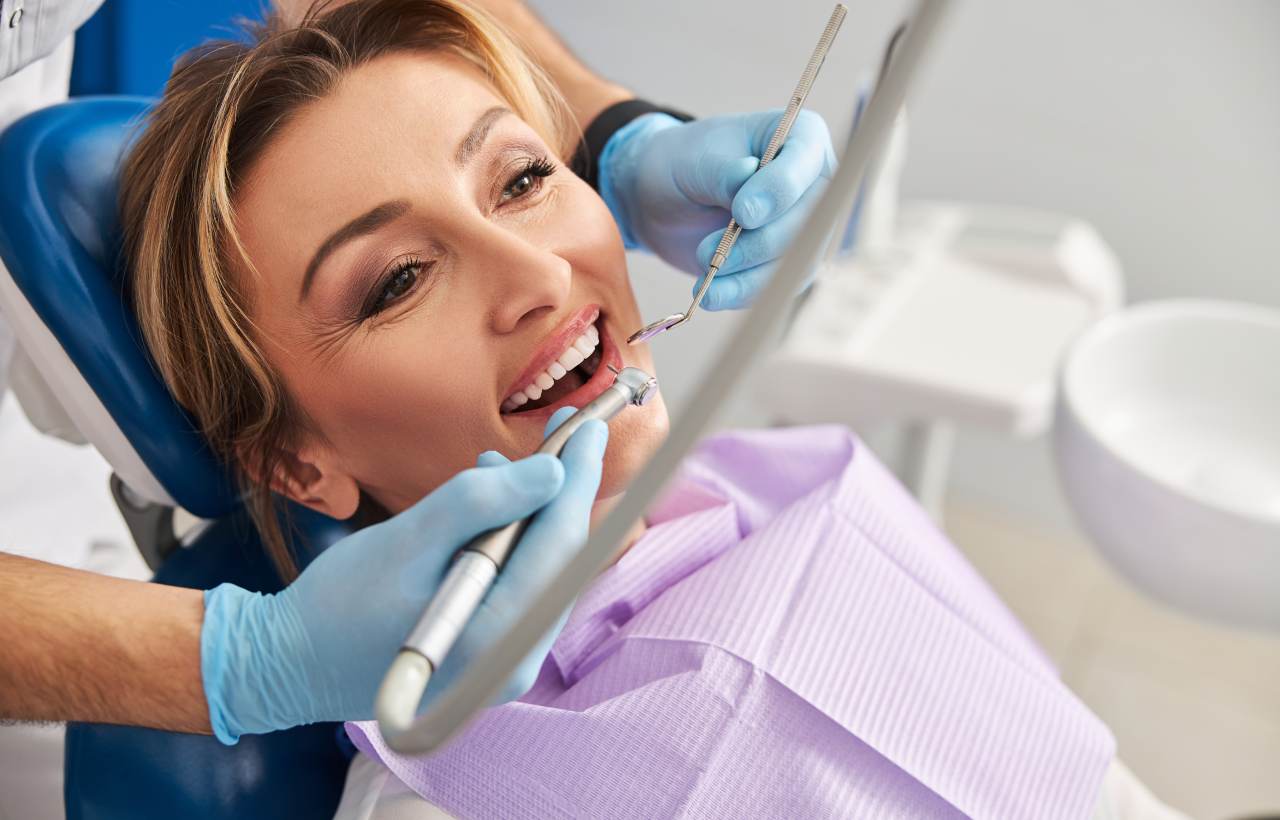
After scaling, the teeth are polished using a rotating rubber cup and a mildly abrasive prophy paste. Polishing removes surface stains from coffee, tea, and food, and it also smooths the enamel surface, making it harder for new plaque to adhere. The hygienist then flosses between every contact point, which clears debris from areas the instruments cannot reach and checks for tight contacts or early interproximal cavities.
Fluoride is applied at the end of the appointment when it is clinically appropriate and the patient consents. Fluoride remineralizes weakened enamel by attracting calcium and phosphate ions back into the tooth surface, strengthening areas that early decay has begun to soften. It is a short application with measurable protective effects, particularly for children, seniors, and patients with dry mouth.
The Oral Health Benefits You Can Measure
The mouth-specific benefits of regular cleanings are concrete and trackable. Cavity rates go down, gum health improves, breath becomes more consistent, and problems get caught before they require expensive intervention. A 2016 study in the Journal of Dental Research, following 5,117 adults over four years, found that patients who received at least two dental cleanings per year had cavity rates 30% lower than those who received one or none. That reduction held across age groups and income levels.
How Cleanings Prevent Gum Disease
Gum disease follows a progression. Gingivitis, the earliest stage, is characterized by red, swollen, bleeding gums. At this point, the damage is reversible with a professional cleaning and improved home care. Left untreated, gingivitis advances to periodontitis, where bacterial infection destroys the bone and connective tissue supporting the teeth. Periodontitis is not reversible. It is managed, not cured.
A 2020 study from the American Academy of Periodontology found that patients who received professional cleanings every six months were 52% less likely to develop moderate to severe periodontitis over a 10-year observation period compared to those who visited once a year or less. The practical action is simple: schedule before symptoms appear. Bleeding gums are not normal, and waiting until pain arrives means the window for reversal has likely closed. To understand why that matters for long-term tooth retention, the connection between gum disease and tooth loss is more direct than most people realize.
Early Detection of Oral Cancer
The Oral Cancer Foundation reports that over 54,000 Americans are diagnosed with oral cancer each year. The five-year survival rate when oral cancer is caught at Stage I is approximately 84%. When caught at Stage IV, that rate drops to around 38%. The difference is early detection, and every cleaning includes a visual screening.
Skipping appointments does not just delay cleaning. It delays the exam. And for oral cancer, a one-year delay in detection can shift a highly survivable diagnosis into a far more complicated one.
How Teeth Cleanings Protect Your Overall Health
The connection between oral health and whole-body health continues to strengthen with research. Three areas stand out: cardiovascular disease, diabetes, and pregnancy outcomes. None of these connections are speculative.
The Link Between Gum Disease and Heart Disease
A 2021 study published in the European Journal of Preventive Cardiology, using data from 247,696 participants in South Korea, found that individuals who received three or more professional teeth cleanings per year had a 10% lower risk of atrial fibrillation and a 14% lower risk of heart failure compared to those who received none. Researchers attributed part of this association to the reduction in periodontal bacteria that would otherwise enter the bloodstream through inflamed gum tissue.
The mechanism is not complicated in plain language: inflamed gums are permeable. Periodontal bacteria travel through that inflammation into the bloodstream, where they can contribute to arterial plaque and systemic inflammation. The practical takeaway is that keeping gum tissue healthy through regular cleanings is one of the lower-effort things you can do for cardiovascular health.
Diabetes and Oral Health: A Two-Way Street
The relationship between diabetes and gum disease runs in both directions. Elevated blood sugar promotes the growth of harmful oral bacteria and slows tissue healing, which worsens gum disease. At the same time, chronic gum infection increases systemic inflammation, which impairs insulin sensitivity and makes blood sugar harder to control.
A 2013 Cochrane Review, analyzing 35 controlled trials, found that treating periodontal disease was associated with a mean reduction of 0.36% in HbA1c levels over three to four months. For a Type 2 diabetes patient, a 0.36% reduction in HbA1c is clinically meaningful. Regular cleanings are not a diabetes treatment, but they remove a documented obstacle to better glycemic control. Patients managing diabetes have a clear reason to prioritize dental visits, not just twice a year but potentially more frequently.
How Often You Should Get Your Teeth Cleaned
The standard twice-a-year recommendation is a good baseline for most adults, but it is not universal. The American Dental Association and the American Academy of Periodontology both acknowledge that cleaning frequency should reflect individual risk. For more detail on how to think about your own schedule, the guidance varies meaningfully depending on your history.
Patients with active or treated periodontitis typically need three to four cleanings per year to prevent disease progression. The same applies to people who smoke, patients managing uncontrolled diabetes, individuals on medications that cause dry mouth, and anyone with a documented history of rapid calculus buildup. If your dentist recommends more frequent visits, that recommendation is based on your clinical history, not upselling.
What Teeth Cleanings Cost and What Insurance Covers
Without insurance, a routine prophylaxis cleaning at a general dentist typically runs depending on the region and whether X-rays are included. Most PPO dental plans cover two preventive cleanings per year at 100%, with no copay or deductible applied, because insurers recognize that preventive care costs far less than restorative treatment down the line.
For patients covered by Medicaid in North Carolina, dental benefits for adults include cleanings, and coverage specifics depend on the current state plan year. The best step before scheduling is to call the office directly and ask the front desk to verify your coverage. Bring your insurance card or Medicaid ID. The team can confirm what your plan covers before you arrive, so there are no surprises at checkout.
What the Best At-Home Routine Looks Like Between Visits
A professional cleaning every six months accomplishes what home care cannot. But home care accomplishes what a twice-yearly appointment cannot either. The two are not interchangeable. Think of the cleaning as a reset, and daily home care as the maintenance that determines how much work the reset requires.
A 2019 study in the Journal of Clinical Periodontology, tracking 600 adults over two years, found that participants who brushed twice daily for two minutes with a soft-bristle brush and flossed once per day had 41% less gingival inflammation than those who brushed twice daily but skipped flossing. Flossing consistently is the single highest-leverage addition most adults can make. An antibacterial mouthwash adds a secondary layer of protection but does not replace mechanical cleaning.
For maintaining healthy teeth between appointments, consistency matters more than technique perfection. Brushing before bed is the non-negotiable, since overnight is when bacteria have the longest uninterrupted window to work.
What to Do This Week
Book the appointment before the week ends. If it has been more than a year since your last cleaning, tell the front desk when you call. They may want to schedule additional time for the appointment or take updated X-rays. Being upfront about the gap helps the team prepare, and it is not a reason to delay scheduling further.
A cleaning is not a judgment. It is a baseline. Whatever has happened in the months or years since your last visit, the appointment resets the clock and gives you a clear picture of where your oral health actually stands.
Frequently Asked Questions
Does a teeth cleaning hurt?
For most patients, a routine cleaning is mildly uncomfortable at most. If your gums are inflamed or it has been a long time since your last visit, you may notice some sensitivity during scaling, particularly near the gumline. That sensitivity typically fades within a day. Communicating with your hygienist during the appointment means they can adjust technique or offer breaks as needed.
How is a regular cleaning different from a deep cleaning?
A regular prophylaxis cleaning removes plaque and tartar from above the gumline and just below it in patients with healthy or mildly inflamed gums. A deep cleaning, called scaling and root planing, is a therapeutic procedure for patients who have developed periodontitis. It involves cleaning below the gumline into the pockets around each tooth and is usually done in quadrants with local anesthetic. Your dentist recommends a deep cleaning based on pocket depth measurements, not preference.
Can teeth cleanings whiten my teeth?
A professional cleaning removes surface stains from food, coffee, and tea through polishing, which brightens the natural shade of your teeth. The result is a cleaner, smoother appearance rather than a color change. For a noticeably lighter shade, a separate whitening treatment is needed. Most patients find that their teeth look meaningfully better after a cleaning simply because the staining and buildup are gone.
Are teeth cleanings safe during pregnancy?
Yes. The American College of Obstetricians and Gynecologists recommends that pregnant women continue routine dental care, including cleanings, throughout pregnancy. Gum disease during pregnancy is associated with increased risk of preterm birth and low birth weight, making oral hygiene and professional cleanings particularly important during this period. Inform your dental team of your pregnancy so they can adjust positioning and defer elective X-rays if preferred.
What happens if I only get my teeth cleaned once a year instead of twice?
Annual cleanings are better than none, but the research consistently shows that twice-yearly visits produce better outcomes in cavity prevention and gum disease management. Calculus accumulates in the months between visits, and once it builds past a certain threshold, it accelerates gum inflammation. For patients without a history of gum disease, one visit per year leaves a longer window for that progression to take hold. Twice yearly remains the minimum recommendation for most adults.
My child’s teeth will fall out anyway. Do kids need cleanings too?
Primary teeth matter more than most parents expect. Baby teeth hold space for permanent teeth and support proper jaw development, speech, and chewing. Cavities in primary teeth can become painful, affect nutrition, and spread infection. Starting cleanings early, typically around age one or when the first tooth appears, also builds familiarity with dental visits, which reduces anxiety for a lifetime. The habits formed in childhood tend to carry forward.