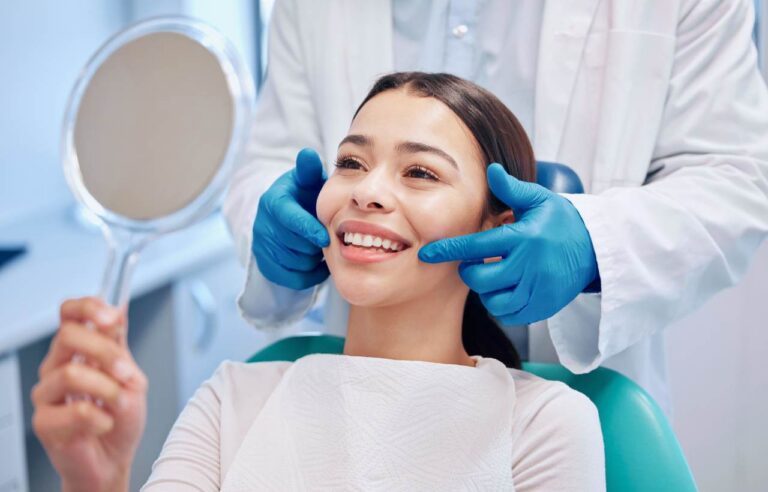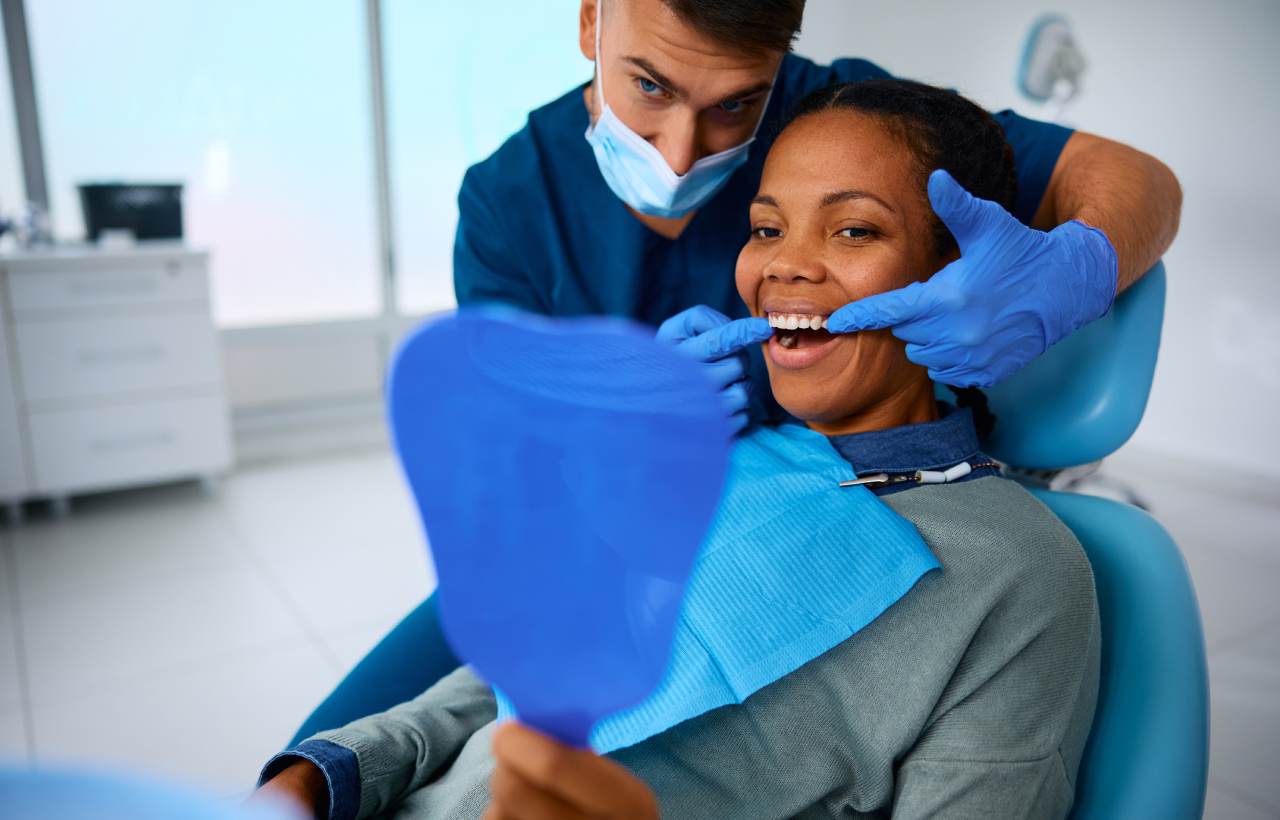
Preventive dental care is exactly what it sounds like: the routine care that keeps small problems from becoming large, expensive ones. Understanding why preventive dental care matters goes well beyond cavity prevention. It connects to your budget, your overall health, and whether you keep your teeth for life.
What Preventive Dental Care Actually Is
Preventive dental care covers the routine services that maintain your oral health before anything goes wrong. That includes professional cleanings, comprehensive exams, X-rays, fluoride treatments, and sealants. These are the appointments most people know they should keep but often postpone.
The contrast with reactive care is stark. A cleaning removes buildup you cannot remove at home. A filling addresses a small area of decay before it deepens. Reactive care, by comparison, is what happens after delay: root canals, extractions, crowns, implants. The difference is not just discomfort. It is hundreds or thousands of dollars and, in some cases, permanent tooth loss.
The Real Cost of Skipping Routine Care
The CDC estimates that dental emergencies account for approximately 2 million emergency department visits annually in the United States, most of which stem from conditions that preventive care would have caught earlier. Emergency room treatment for a dental abscess addresses the infection but does nothing to restore the tooth. Patients often pay an ER bill and then face additional dental costs on top of it.
The math is concrete. A preventive cleaning typically runs between out-of-pocket for PPO plan holders, and Medicaid covers preventive visits for both children and adults in North Carolina at no cost. A crown, by contrast, averages or more depending on the tooth and material. A root canal before the crown adds another. What begins as a cleaning turns into a multi-thousand-dollar treatment sequence when avoided long enough.
The practical step here is simple: if your last cleaning was more than six months ago, that appointment is the least expensive dental visit available to you right now. Knowing what to expect at that visit removes a lot of the hesitation people feel about scheduling it.
What Happens Inside Your Mouth When You Skip Appointments
Plaque forms on your teeth within hours of eating. Brush and floss consistently, and most of it comes off. Skip that routine or miss the spots between teeth, and plaque hardens into tartar within 24 to 72 hours. Once calcified, tartar cannot be removed by brushing at home. It requires professional instruments.
Left in place, tartar triggers gum inflammation. According to research published in the Journal of Periodontology, untreated gingivitis progresses to periodontitis in a significant portion of patients, often within months, and periodontitis involves irreversible loss of the bone and tissue that hold teeth in place. The NIH notes that periodontitis is a leading cause of tooth loss in adults.
A useful benchmark: check when you last had a full set of X-rays. If it has been more than two years, you are likely overdue, and early decay between teeth or changes to bone levels will not be visible any other way.
Why Preventive Care Looks Different at Every Age
Oral health needs shift considerably across a lifetime. The approach that protects a seven-year-old’s first molars is not the same one that protects a 65-year-old’s remaining teeth. Understanding where you and your family fall in that spectrum helps you know what to ask for at each visit.
Children and Teens: Building the Foundation Early
Tooth decay is the most common chronic disease among children ages 6 to 11 in the United States, according to CDC data. More children miss school due to dental pain than almost any other preventable condition. The good news is that two interventions, dental sealants and fluoride varnish, have strong evidence behind them.
The American Academy of Pediatric Dentistry recommends a child’s first dental visit by their first birthday, or within six months of the first tooth erupting. That visit is less about cleaning and more about establishing a baseline, catching early developmental concerns, and helping children build comfort with the dental environment before anxiety sets in.
For parents: at your child’s next well-child pediatrician visit, ask whether fluoride varnish is being applied. If not, a dental appointment for fluoride treatment is a low-barrier next step that meaningfully reduces cavity risk.
Adults: Catching What Daily Brushing Misses
Nearly half of adults 30 and older in the United States have some form of periodontal disease, according to CDC surveillance data. Most of them do not know it. Gum disease in its early stages is painless, which is precisely why it advances unnoticed without regular professional exams.
Professional cleanings remove calculus from areas your toothbrush simply cannot reach, particularly below the gumline and in the tight contacts between teeth. Brushing twice daily and flossing are not substitutes for a professional cleaning. They are what you do between cleanings to slow the return of buildup.
At your next adult cleaning, ask specifically whether any pockets around your teeth have deepened since your last visit. That single measurement, taken with a small probe at each checkup, is how early-stage gum disease gets caught before it becomes a driver of tooth loss.
Seniors: Protecting Teeth and Overall Health
A study published in the Journal of the American Geriatrics Society found that older adults with untreated periodontal disease had measurably higher rates of cognitive decline over a five-year period compared to those with healthy gums. Separate research links gum disease to increased cardiovascular risk and difficulty managing blood glucose levels in diabetic patients.
Dry mouth is an often-overlooked factor for seniors. More than 400 common medications list dry mouth as a side effect, including many drugs for blood pressure, depression, and allergies. Saliva is your mouth’s natural defense against decay. Without adequate saliva, cavities form faster and in unusual locations.
If you take three or more daily medications, mention this at your next dental visit and ask specifically about a dry-mouth protocol. Prescription fluoride rinses, specific oral moisturizers, and more frequent cleanings can compensate for what reduced saliva flow leaves unprotected.
The Link Between Oral Health and Whole-Body Health
A 2020 consensus report from the European Federation of Periodontology, produced in collaboration with the American Academy of Periodontology and drawing on evidence from dozens of large-scale studies, established strong links between periodontitis and both diabetes and cardiovascular disease. The mechanism is not complicated: bacteria from infected gum tissue enter the bloodstream through inflamed tissue, triggering systemic inflammatory responses.
This is why framing dental care as separate from medical care is outdated. Periodontal inflammation affects blood sugar regulation in diabetic patients, and poorly controlled diabetes accelerates gum disease in return. The relationship runs both directions.
At every dental visit, disclose your current medications and any chronic conditions. Changes in systemic health often show up in the mouth first, and a thorough dental checkup gives your provider the information needed to connect those dots.
Insurance Coverage and Preventive Care: What Most People Don’t Use
Research from the UIC College of Dentistry found that a significant portion of insured patients never use their preventive dental benefits in a given year, even when those benefits cost nothing out-of-pocket. This is one of the more preventable financial mistakes in routine health management.
Most PPO dental plans cover preventive visits, including cleanings, exams, and X-rays, at 100%, with no deductible applied. Medicaid in North Carolina covers preventive services for both children and adults, including cleanings and exams. The assumption that going to the dentist is expensive often reflects past out-of-pocket costs from reactive treatment, not the actual cost of a preventive visit for someone with coverage.
A published study in Health Services Research found that Medicaid-enrolled adults who used preventive dental care had significantly lower total dental expenditures over time than those who only sought care reactively. Prevention pays, measured in dollars.
The action: call your insurance plan or your Medicaid case manager this week and ask specifically which preventive services are covered at no out-of-pocket cost. Most offices in the Roxboro area that accept Medicaid and PPO plans can tell you what to expect before you arrive.
What to Do This Week
If it has been six months or longer since your last cleaning and exam, schedule it now. That one appointment is the lowest-cost entry point into a system that keeps small problems small. Offices in the Roxboro area accepting Medicaid and PPO plans can typically book routine preventive visits without a long wait.
If you are unsure what to expect at that first visit back, reading through what a new patient appointment covers removes most of the uncertainty. Prevention works best when it is consistent, and consistent care starts with getting back on the schedule.
Frequently Asked Questions
How often do you actually need a dental cleaning?
For most adults and children, twice a year is the standard recommendation. Patients with active gum disease, dry mouth, or a history of frequent cavities often benefit from three or four visits per year. Your dentist will recommend a frequency based on what is found at your exam, not a one-size-fits-all schedule.
Does preventive dental care hurt?
A routine cleaning is not painful for most patients. Some people with sensitive gums or significant tartar buildup experience mild discomfort during the scaling process. Topical numbing is available at most offices if needed. The discomfort of a cleaning is temporary. The discomfort of an untreated abscess is not.
Is preventive dental care covered by Medicaid in North Carolina?
Yes. North Carolina Medicaid covers preventive dental services for both children and adults, including exams, cleanings, and X-rays. Coverage details can vary by plan, so calling your Medicaid plan to confirm specific benefits before your appointment is a good step.
What is the difference between a cleaning and a deep cleaning?
A standard cleaning, called a prophylaxis, removes plaque and tartar from above and just below the gumline. A deep cleaning, or scaling and root planing, goes further below the gumline to remove tartar from root surfaces in patients with active periodontal disease. Your dentist determines which is appropriate based on pocket depth measurements and X-ray findings.
Can good home hygiene replace professional cleanings?
No. Brushing and flossing remove soft plaque effectively. Once plaque hardens into tartar, usually within 24 to 72 hours, it can only be removed with professional instruments. Home care slows tartar buildup between appointments. It does not eliminate the need for professional cleaning.
At what age should a child have their first dental visit?
The American Academy of Pediatric Dentistry recommends the first visit by age one, or within six months of the first tooth coming in. Early visits establish a baseline, catch developmental issues, and help children become comfortable with the dental environment before anxiety develops.