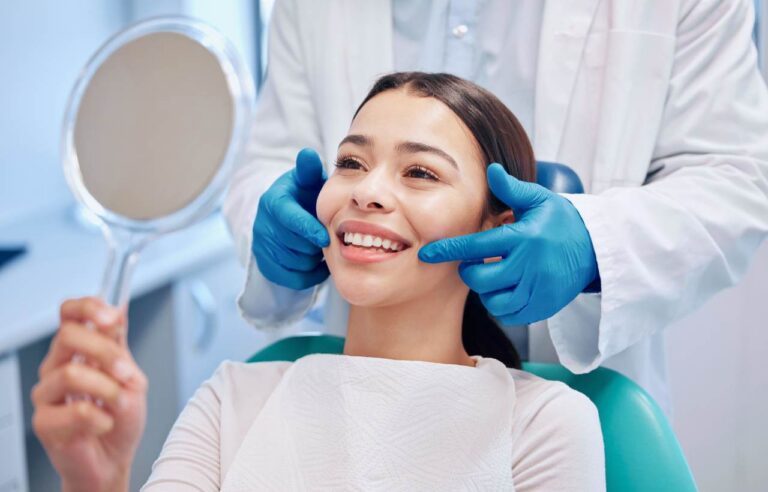
Understanding smile transformation dentistry
A smile transformation dentist focuses on enhancing the appearance of your teeth and gums so your smile looks brighter, more balanced, and more confident. While general dentistry is centered on oral health and function, cosmetic and esthetic dentistry expand that goal to include how your smile looks and how you feel when you show it.
When you work with a smile transformation dentist, you start with an in‑depth cosmetic dental evaluation. This allows your dentist to understand what you would like to change, assess your teeth, bite, and gums, and design a realistic plan to reach your goals. The result is a customized roadmap that can include whitening, veneers, bonding, gum contouring, or a combination of treatments.
You may choose a smile transformation if you are concerned about issues such as discoloration, chips, misalignment, gaps, uneven gums, or worn teeth. Instead of addressing each concern separately over time, your dentist can coordinate treatments as part of a comprehensive cosmetic smile makeover so the final result looks natural and harmonious.
How your smile affects confidence
Your smile often shapes the first impression you make. If you are self‑conscious about how your teeth look, you might notice yourself smiling with your lips closed, covering your mouth when you laugh, or avoiding photos. Over time, these small behaviors can influence how you interact with others and how you see yourself.
Feeling uneasy about your smile can affect both personal and professional situations. You may hesitate in social settings, hold back in conversations, or feel less willing to speak up in meetings or interviews. This can create a cycle where you avoid situations that might highlight your teeth, which then reinforces your lack of confidence.
A smile transformation does not change who you are, but it can change how comfortable you feel expressing yourself. When you are no longer distracted by worries about your teeth, you often find it easier to relax, laugh, and engage with others. For many patients, the most noticeable change after treatment is not only their teeth, but their posture, eye contact, and overall presence.
A confident smile can become a daily reminder that you are investing in yourself and your well‑being.
What to expect at a smile design consultation
Your journey usually begins with a detailed smile design consultation. This visit is focused on understanding your goals and learning what is realistically possible for your teeth and gums.
During this appointment, your smile transformation dentist will typically:
- Review your dental and medical history
- Ask what you like and dislike about your current smile
- Examine your teeth, gums, and bite
- Take digital photos or scans for planning
- Discuss treatment options, timelines, and approximate costs
You are encouraged to be specific about what you hope to change. For example, you might want your teeth slightly whiter but still natural, or you might prefer a more dramatic change in shape and color. Bringing photos of smiles you like can help guide the conversation so your dentist understands your aesthetic preferences.
At the end of your consultation, you should have a clear sense of which esthetic dentistry services are recommended, how many visits you might need, and which approach best matches your priorities and budget.
Cosmetic options for transforming your smile
A smile transformation dentist uses multiple cosmetic treatments to correct or camouflage different concerns. At a modern cosmetic dental clinic like Rox Dental Studio, you have access to a range of options that can be used alone or combined for a comprehensive result.
Professional teeth whitening treatment
If you are mainly concerned about stains or dullness, a professional teeth whitening treatment is often the first step. In‑office whitening uses stronger, carefully controlled materials compared to drugstore products. This helps you reach a brighter shade more predictably and more safely.
Your dentist will evaluate the type of discoloration you have and choose the most appropriate system. Surface stains from coffee, tea, or smoking usually respond well. Deep internal discoloration may need additional solutions, such as veneers or bonding, to achieve your desired shade. Whitening is also frequently done before other treatments so the surrounding natural teeth look their best.
Some patients benefit from a coordinated approach such as a whitening + veneers package. In this case, your dentist brightens your overall smile, then places veneers only on the teeth that need reshaping or additional color correction. This can be more conservative and cost‑effective than veneering every visible tooth.
Porcelain veneers for shape and color
Porcelain veneers are thin, custom shells that cover the front surface of your teeth. They are especially useful if you want to change multiple aspects of your smile at once, such as color, shape, and minor alignment issues. Your porcelain veneer placement is carefully planned so each veneer blends with your lips, gums, and facial features.
Veneers can help if you have:
- Dark or intrinsic stains that do not respond well to whitening
- Chipped, worn, or uneven edges
- Small gaps between teeth
- Teeth that appear too small or slightly misaligned
For many front teeth concerns, your dentist may recommend veneers for front teeth to create a uniform, symmetrical appearance in your smile zone. With good care, porcelain veneers are stain‑resistant and can last for many years, so they are often part of a long‑term smile makeover plan.
Dental bonding for small flaws
Cosmetic bonding uses tooth‑colored composite resin to repair minor imperfections. A dental bonding service can be a good choice if you have small chips, hairline cracks, or slightly uneven edges that bother you but do not require full coverage veneers.
Your dentist shapes and polishes the bonding material directly on your teeth in a single visit. This approach is often more affordable and less invasive than porcelain, since little to no enamel needs to be removed. Bonding can also be combined with veneers in a single plan through a veneers & bonding dentist when some teeth need more coverage than others.
Because composite resin is somewhat more porous than porcelain, you may need periodic touch‑ups or polishing over time, especially if you regularly consume strongly pigmented foods or drinks.
Gum contouring for a balanced smile
If your teeth look short, or you feel you have a “gummy” smile, the issue may be related more to gum position than tooth size. A gum contouring cosmetic dentist can gently reshape excess gum tissue so more of your natural tooth structure is visible.
Gum contouring can:
- Reduce a gummy or uneven gumline
- Make teeth appear longer and more proportional
- Improve symmetry between the left and right sides of your smile
In many cases, gum contouring is paired with other cosmetic dental care such as whitening or veneers. By refining the frame of your teeth first, your dentist can then match the shape and length of restorations more precisely to your new gumline.
Creating a comprehensive cosmetic smile makeover
When you want meaningful, long‑lasting changes, individual procedures are usually combined into a coordinated cosmetic smile makeover. Your smile transformation dentist sequences the treatments so they build on one another and heal properly.
A typical makeover plan might look like this:
- Initial cosmetic dental evaluation and digital records
- Gum contouring if needed, followed by healing time
- In‑office teeth whitening treatment to set your overall shade
- Porcelain veneer placement or bonding on selected teeth
- Final bite adjustments and polish
Throughout this process, your dentist checks your bite and jaw function to be sure your new smile is not only attractive but also comfortable. Your teeth need to come together smoothly so you can speak and chew without strain. This is why comprehensive esthetic dentistry services always consider both form and function together.
Emotional benefits of a smile transformation
Improving the look of your teeth is only part of the story. Many patients notice important emotional and social benefits once their smile transformation is complete.
You may find that you:
- Smile more often without thinking about it
- Feel less anxious in social situations and photos
- Experience more ease in conversations and presentations
- Perceive yourself as more approachable and expressive
Research in psychology suggests that smiling can influence mood and perceived attractiveness, which can positively affect your interactions with others. While a cosmetic change cannot solve every challenge, it can remove a source of daily stress and self‑criticism, which often makes space for greater self‑acceptance.
Over time, this can translate into subtle but meaningful shifts in how you carry yourself, how you show up at work or social events, and how you relate to your own reflection.
Practical considerations: cost, time, and maintenance
A common concern is how much a smile transformation will cost and how long it will take. The answer depends entirely on your current oral health, the number of teeth involved, and which treatments are necessary to achieve your goals.
Less extensive plans that focus on whitening and minor bonding usually require fewer visits and a lower investment. More comprehensive makeovers that include multiple veneers, gum contouring, and staged treatments require more time and resources. During your initial consultation, your dentist can provide a phased plan so you understand the timing and financial commitment in advance.
Maintenance is also important. To keep your new smile looking its best, your dentist will typically recommend:
- Consistent brushing and flossing
- Regular professional cleanings and exams
- Touch‑up whitening as needed
- A nightguard if you clench or grind your teeth
- Avoiding using your teeth as tools or biting very hard objects
Good home care and routine visits to a cosmetic dental clinic help extend the life of veneers, bonding, and other restorations so you continue to feel confident in your smile for years.
Choosing the right smile transformation dentist
Not every dentist offers the same range of cosmetic options or has the same level of training in smile design. When you are considering a transformation, you want to feel comfortable with both the clinical skill and the aesthetic judgment of your provider.
You might look for a dentist who:
- Offers comprehensive cosmetic dental care under one roof
- Takes time to understand your goals and explain your options clearly
- Uses digital imaging or mock‑ups to preview potential results
- Has experience with veneers, bonding, whitening, and gum contouring
- Prioritizes the health and function of your teeth along with appearance
Reviewing before and after photos and asking questions about how different treatments work together can help you gauge whether a dentist’s approach fits what you have in mind. When you feel heard and informed, it is easier to move forward with confidence.
Taking the next step toward a more confident smile
If you have been thinking about changing your smile, meeting with a smile transformation dentist is the most direct way to understand what is possible for you. A thorough smile design consultation gives you a clear picture of the treatments that can address your specific concerns, from whitening and veneers to bonding and gum contouring.
By exploring the full range of esthetic dentistry services available at a dedicated cosmetic practice, you can choose a path that fits your goals, lifestyle, and budget. The result is not just a brighter, more balanced smile, but often a noticeable boost in how you feel each time you look in the mirror or share your smile with others.